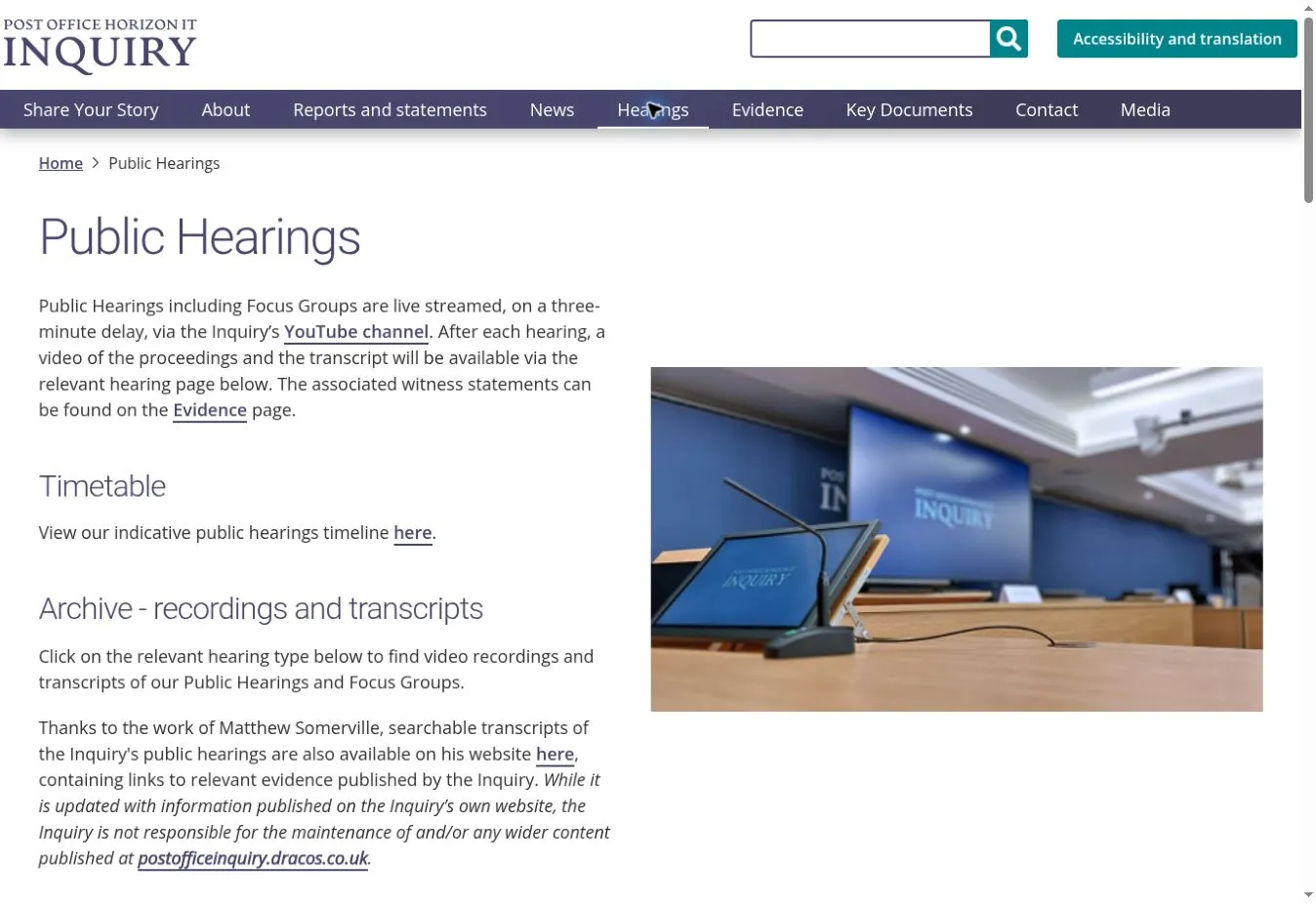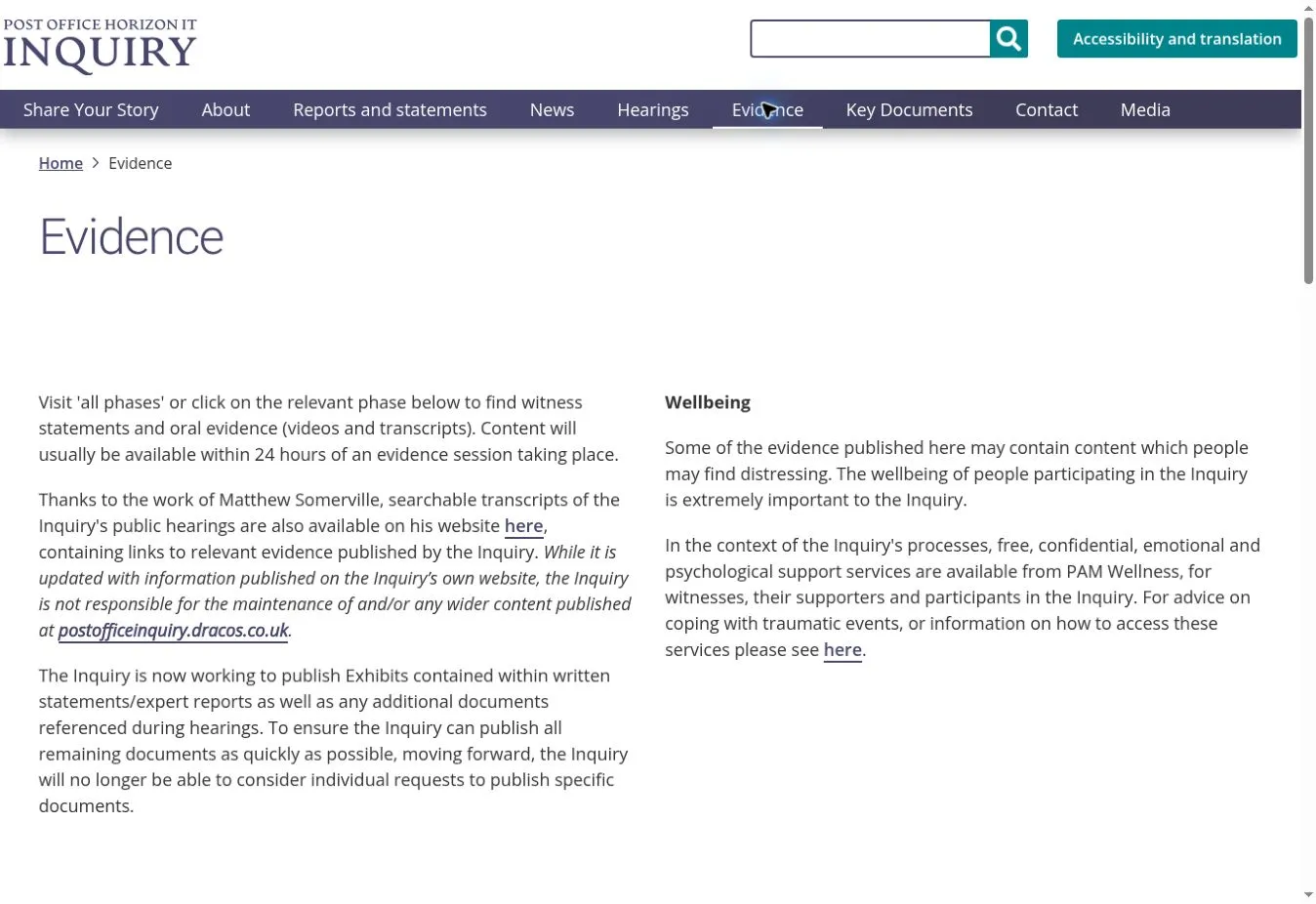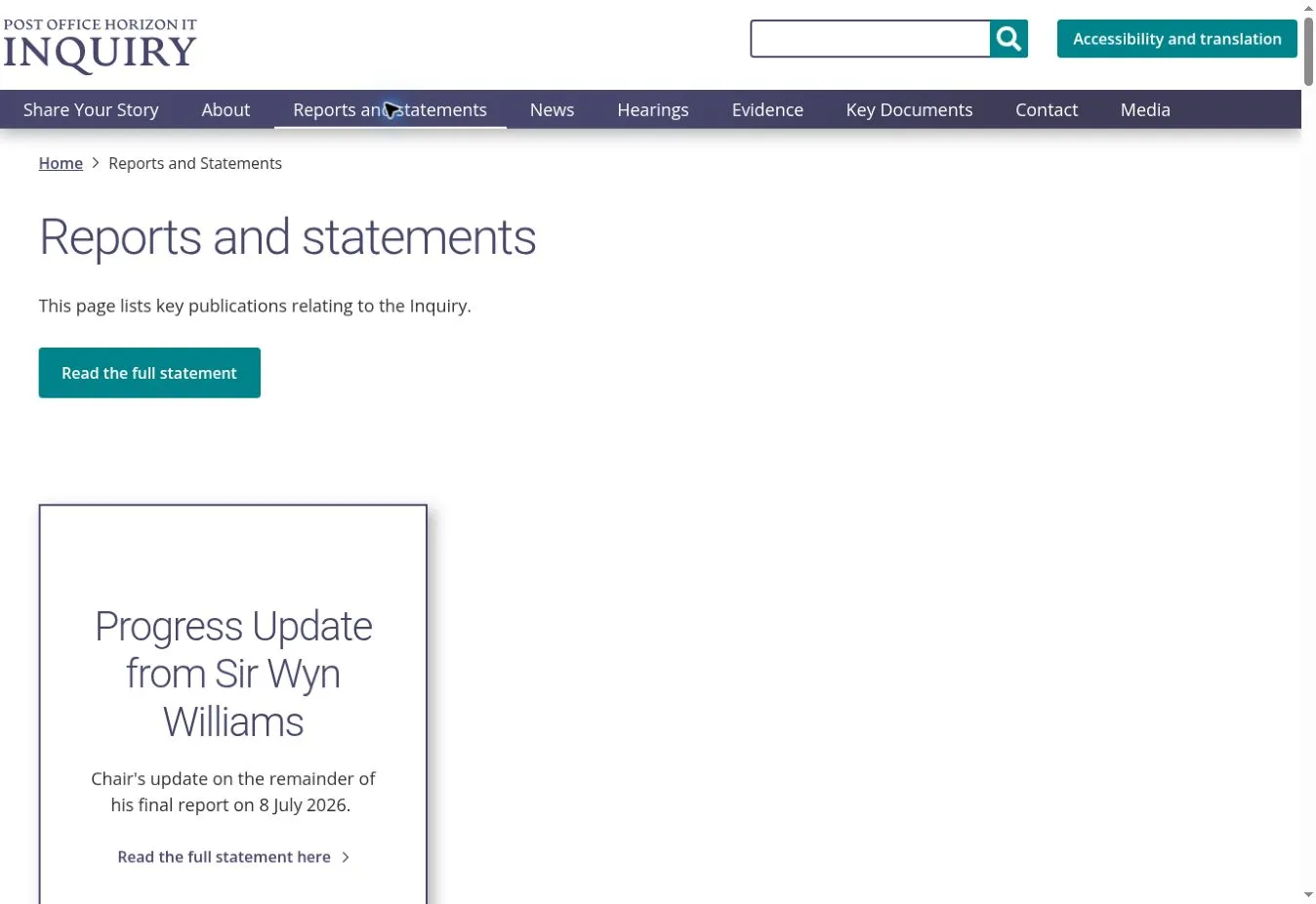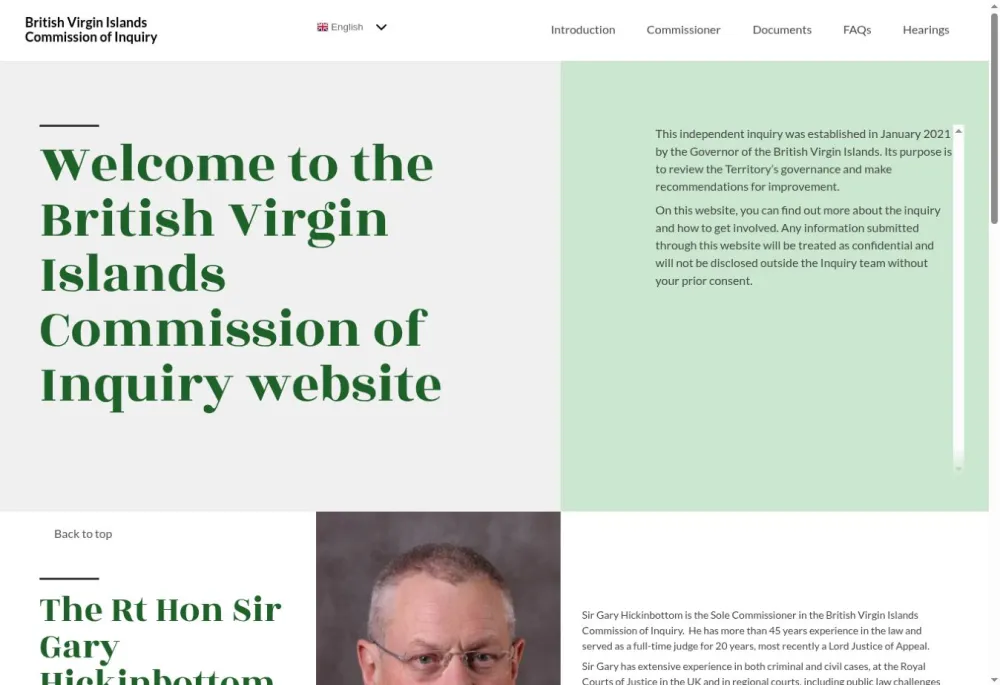
Sector(s)
Team Members
Appointed through G-Cloud by the then Department for Business, Energy and Industrial Strategy, Big Blue Door worked with the Inquiry’s communications team to define a focused launch scope and deliver a bespoke Drupal 9 website for late September 2021.
The work covered discovery, wireframes, design, development, initial content upload, testing and hosting. Two fortnightly development sprints sat within the wider six-week delivery period. Subsequent development extended the platform’s evidence-publishing capabilities, while ongoing support kept the application and infrastructure maintained. By 2026, the relationship included further improvements to evidence import and export alongside regular Drupal releases.
Business case and background
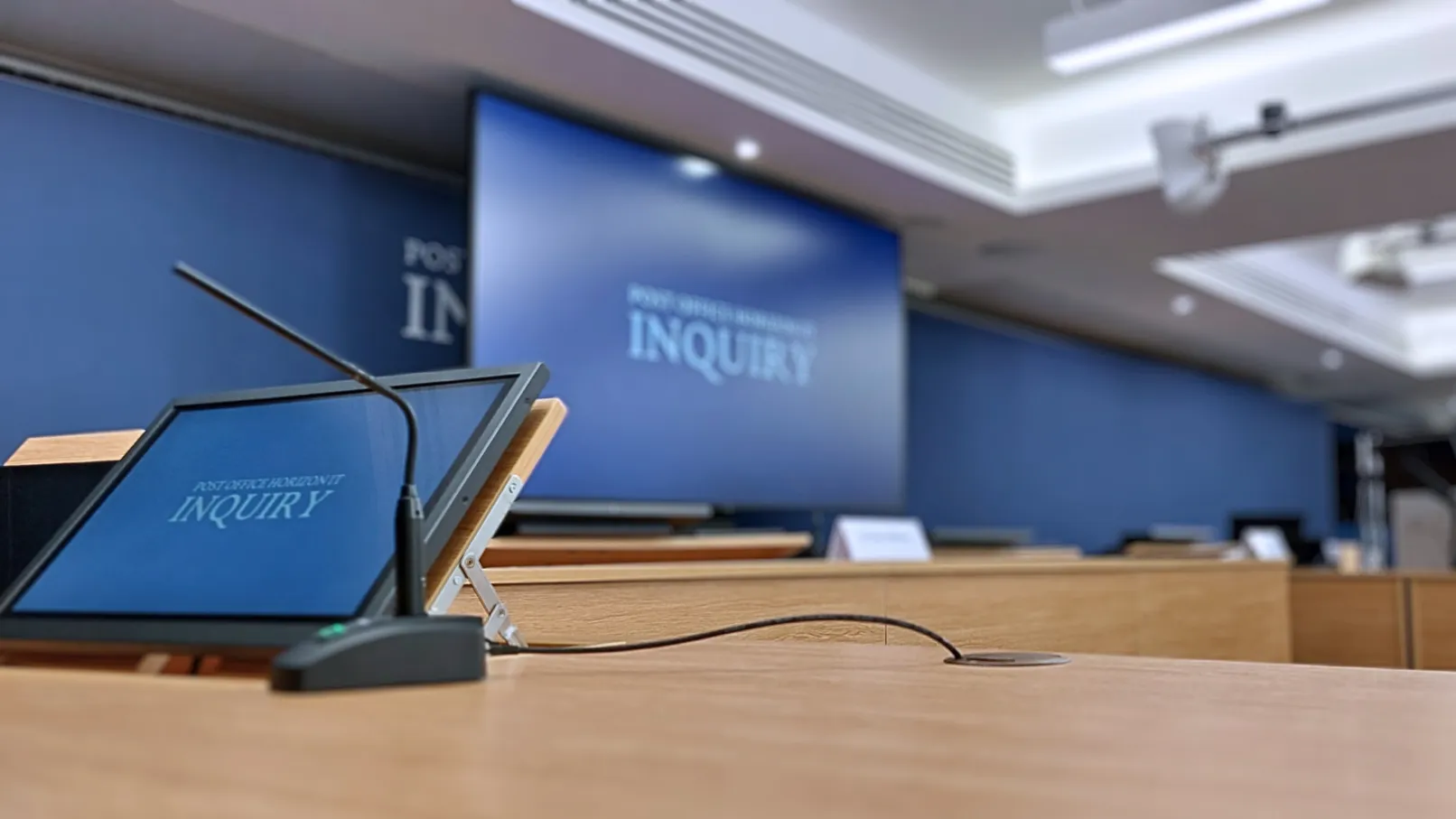
The Post Office Horizon IT Inquiry was established to investigate the implementation and failings of the Horizon IT system and the events surrounding the scandal. Its work concerns profound harm to sub-postmasters and others, making clear, dependable public information particularly important. The website serves people affected by the scandal, participants, journalists and anyone seeking to understand the Inquiry’s work. Inquiry background
The service needed to explain the Inquiry, support timely publication and provide routes to hearings, transcripts, witness statements and other documents. It also needed to accommodate changing requirements as proceedings advanced and the public record grew.
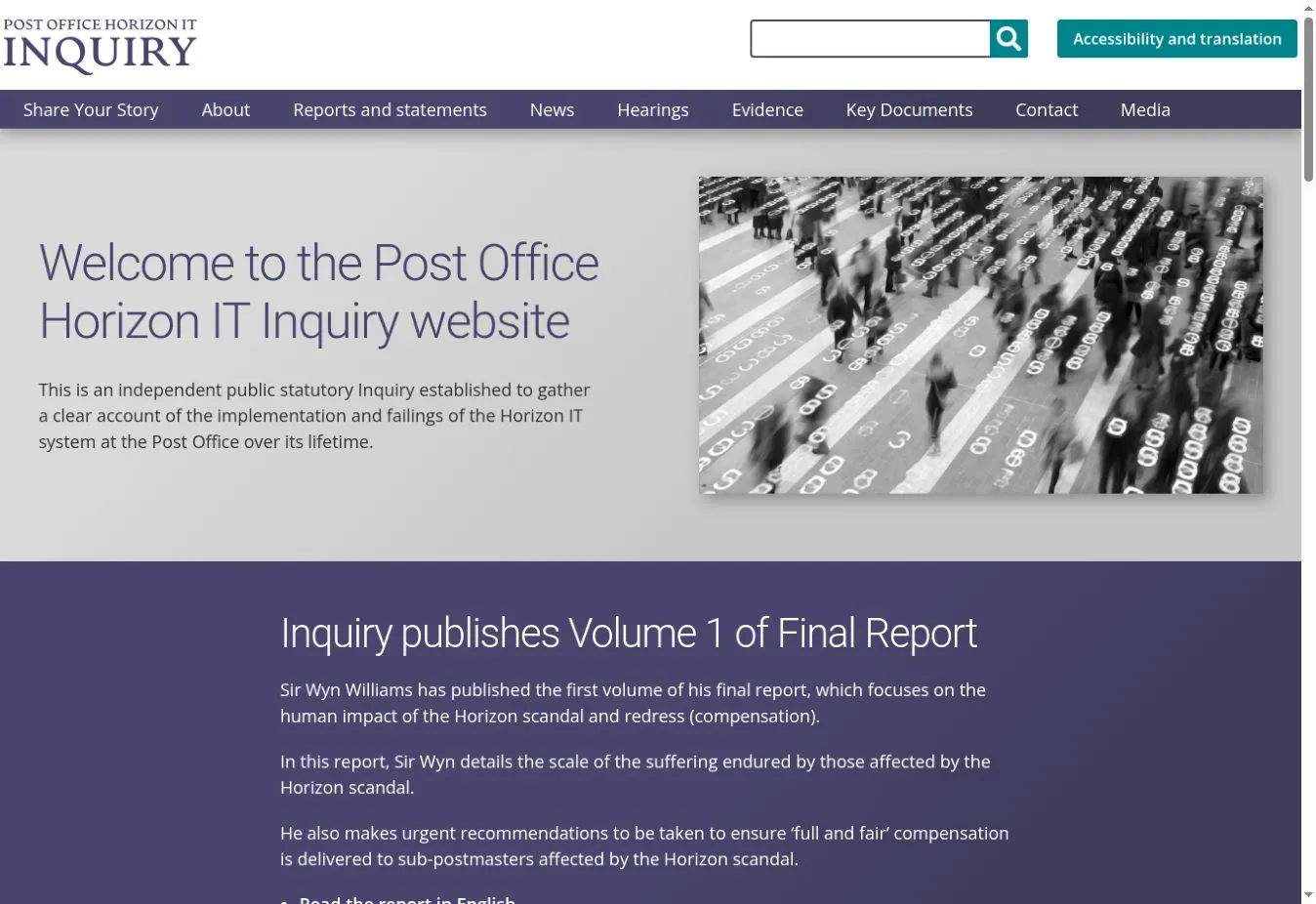
In July 2025, Sir Wyn Williams published Volume 1 of his final report, addressing human impact and redress. This illustrates the publishing lifecycle the website supports, from explaining the Inquiry and its hearings to making major reports accessible. The platform’s contribution is enabling publication and access; the Inquiry’s findings and decisions remain the work of the independent Inquiry. Volume 1 publication
About the project
Defining a deliverable launch scope
The initial challenge was a six-week timetable. Big Blue Door worked closely with the communications team to establish requirements, develop user personas and agree the minimum viable service. This kept decisions tied to the information the public needed at launch while allowing later functionality to follow.
Wireframes covered the homepage, standard pages, news, hearings and listings. Big Blue Door developed four design routes in Figma, then refined the preferred direction through stakeholder feedback. This gave the team an agreed visual and structural basis for development.
Delivering the website
The build used Drupal 9 and a Paragraphs approach across two fortnightly development sprints. Planning, daily stand-ups, reviews and retrospectives provided a regular cadence for resolving questions and checking progress within the wider delivery window.
Big Blue Door uploaded the initial content and carried out cross-browser quality assurance. The website was designed to work across devices, with WCAG 2.1 AA used as an accessibility requirement. The resulting service established the Inquiry’s public presence and its initial publishing routes for information, news, hearings and documents.
Supporting evidence publication at scale
The work continued beyond launch. A 2022 enhancement delivered a bulk evidence workflow using document uploads and CSV metadata, with the Inquiry team importing more than 1,000 items, working in batches of 100.
This is a concrete example of the platform supporting the editorial team’s work. It provided a way to process groups of evidence records as the Inquiry prepared further material for public access. The reported figure describes progress at that point in time, rather than the total size of the eventual archive.
The tools continued to develop. In June 2026, Big Blue Door tested and deployed further import and export improvements, including handling evidence records associated with larger numbers of witnesses. The delivery record shows a cycle of client testing, refinement and release in response to real publishing requirements.
Maintaining a long-running public service
The original infrastructure used AWS in the London region, with autoscaling, a content delivery network and separate availability zones for backups and disaster recovery. Jenkins supported automated deployment. Ongoing support covered the application and infrastructure, including security updates.
The site’s technical lifecycle continued after its Drupal 9 launch. A completed September 2026 deployment records Drupal 10.6.16, demonstrating continued maintenance several years into the partnership. Alongside application releases, account meetings provided a forum for forthcoming publications, operational needs and longer-term preservation planning.
An experienced inquiry delivery partner
Big Blue Door brought experience from other inquiry websites, including the Infected Blood Inquiry, Grenfell Tower Inquiry and British Virgin Islands Commission of Inquiry. That wider work provided relevant experience of document-led publishing, sensitive subject matter and changing requirements over the life of an inquiry.
For the Post Office Horizon IT Inquiry, the outcome is an evolving public platform: a focused initial launch followed by sustained support and evidence-publishing improvements. The public website now brings together routes to reports, hearings and evidence, while the underlying editorial tools help the Inquiry manage the work required to publish that record.
Why Drupal was chosen
Drupal provided a flexible publishing foundation for a project that had to launch quickly and continue developing over the life of a public inquiry. The initial requirements included several distinct content needs: information about the Inquiry and its team, news, publication listings, individual documents and hearing material. A structured CMS gave the communications team a consistent way to manage those areas while allowing the service to expand.
Big Blue Door implemented Drupal 9 with a Paragraphs approach, combining defined design components with flexibility in page assembly. This suited a project in which a clear launch scope had to coexist with evolving editorial needs. The team could establish the public service first and add further functionality as requirements became clearer.
That capacity for extension became particularly valuable for evidence publishing. Later work introduced bulk-publishing workflows and further import and export improvements, allowing the Inquiry’s team to work with larger groups of records and their metadata within the existing platform. These developments addressed the practical administration behind the public website as well as the pages visitors see.
Drupal also provided a maintained application framework for a multi-year service. The project progressed beyond its original Drupal 9 implementation to Drupal 10, and 11. Together with Big Blue Door’s hosting and support, this gave the Inquiry a platform that could develop through successive phases of its work.
Technical Specifications
Drupal version:
Paragraphs supported flexible, component-based content assembly. It allowed the bespoke design to be applied consistently while giving editors room to create different page layouts.
Recite Me was integrated to provide additional accessibility and language tools. It formed part of the wider approach to access alongside responsive design and the project’s WCAG 2.1 AA requirements; an assistive toolbar is not itself evidence of accessibility conformance.
Project-specific bulk evidence tooling addressed the administrative workload of publishing many documents and their associated metadata. Later import and export enhancements supported continued management of evidence records as the collection developed.
The visual design was developed for the Inquiry through stakeholder review of four design routes. No specialist Drupal distribution or unsupported inventory of contributed modules is claimed. The technical story centres on evidenced choices and the publishing needs they addressed.