Sector(s)
Team Members
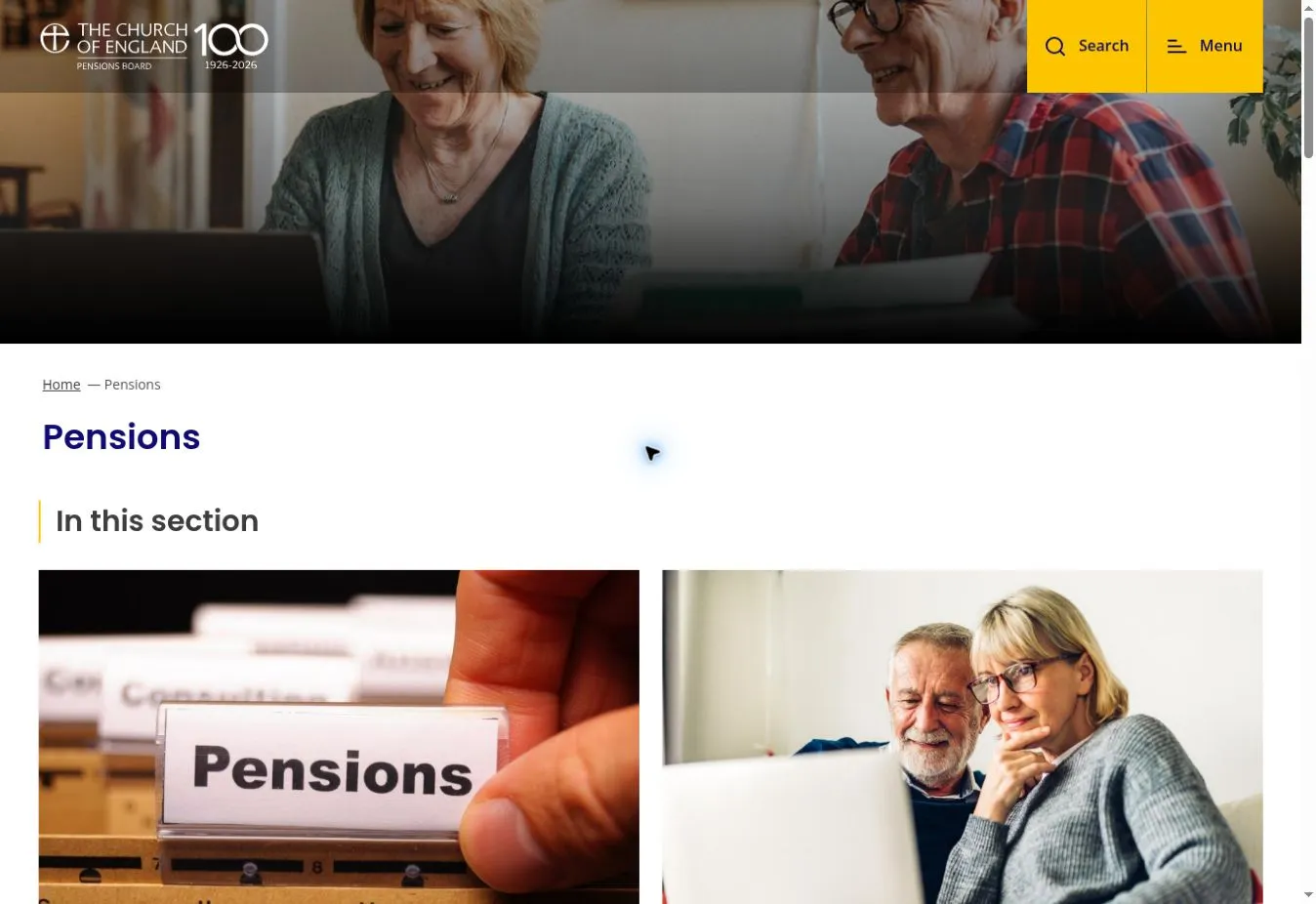
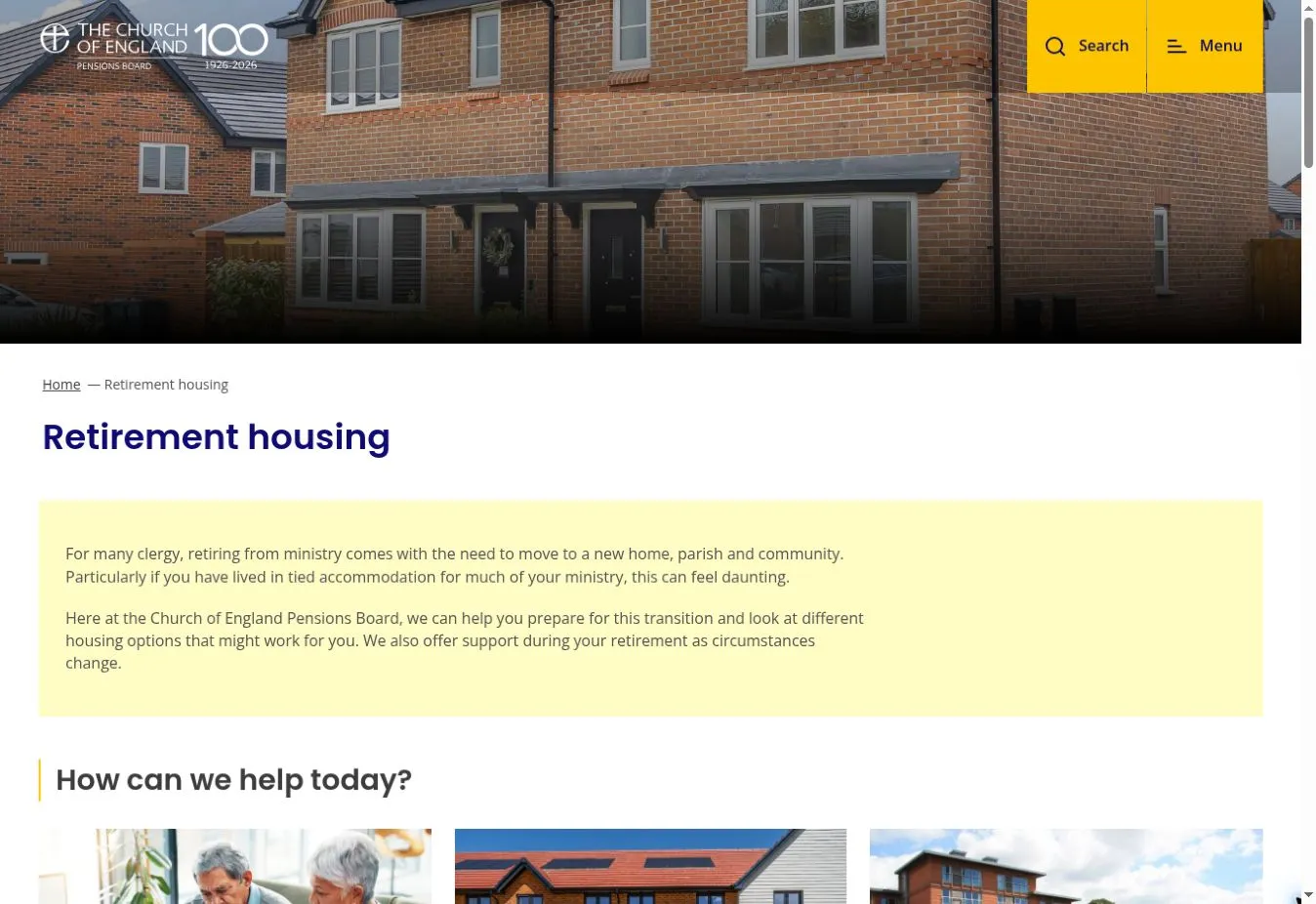
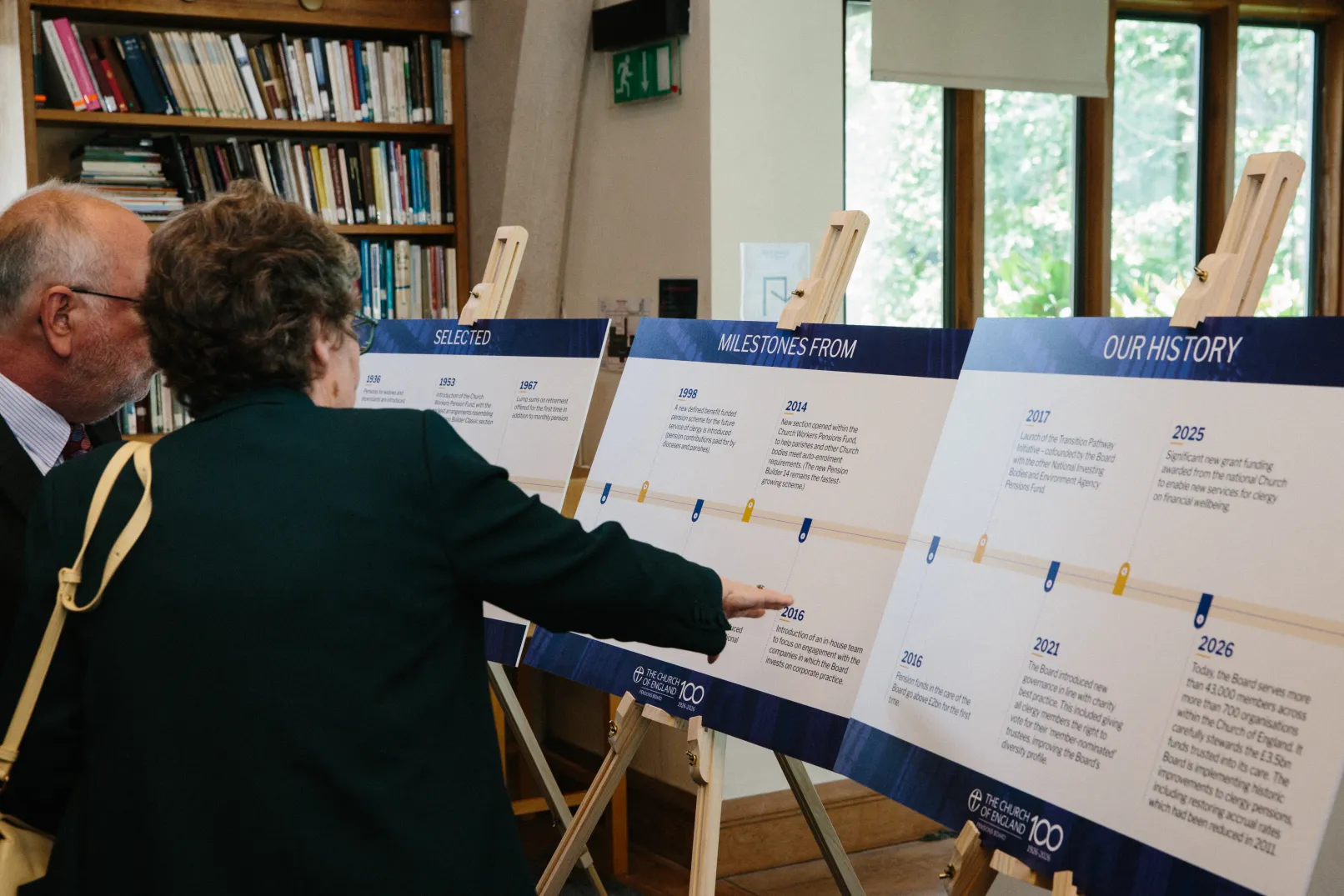
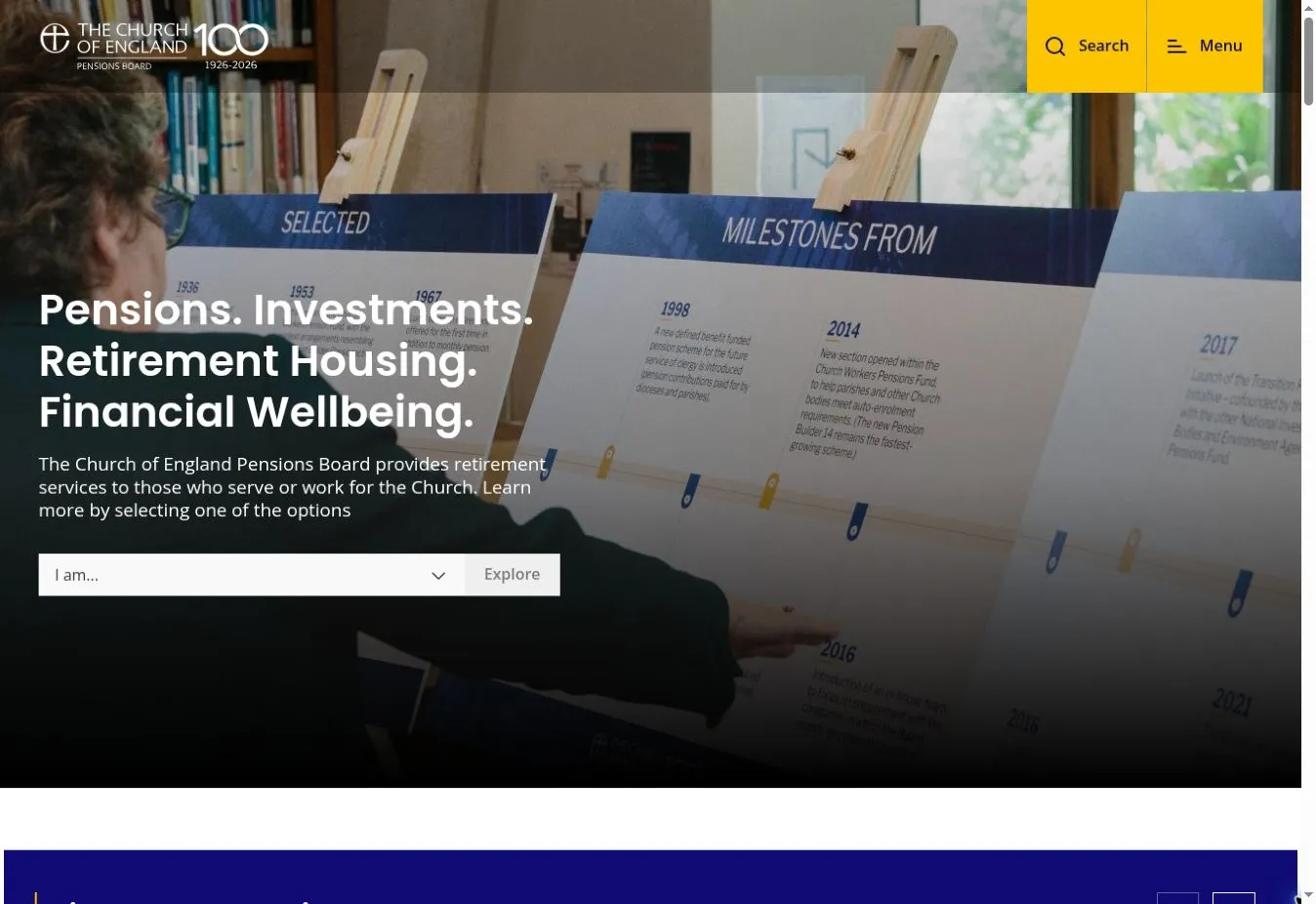
The Church of England Pensions Board supports people who serve or work for the Church through pensions, retirement housing and related services. Its information previously formed part of the main Church of England website. The project created a distinct digital home shaped around the Board’s audiences and services.
Working with the central digital team, Big Blue Door delivered the Drupal 10 technical build, responsive frontend and publishing structures. The Church’s team supplied the initial Figma designs and led content drafting and population; Big Blue Door expanded the responsive design system and supported content upload. The principal build ran from May to September 2025, with public launch on 9 September. It was the first site delivered within the new Church of England multisite programme.
Business case and background
People looking for pension information or retirement housing have specific questions, often connected with significant changes in their lives. The Pensions Board needed a website that made those services easier to understand and navigate, with an identity and information structure appropriate to its audiences.
Keeping this material within the main Church website meant accommodating those needs within a much broader digital service. A separate website offered the opportunity to refresh the content, give the Board a clearer presence and provide more direct routes into relevant information. Accessibility, transparency and sustainable publishing were central requirements.
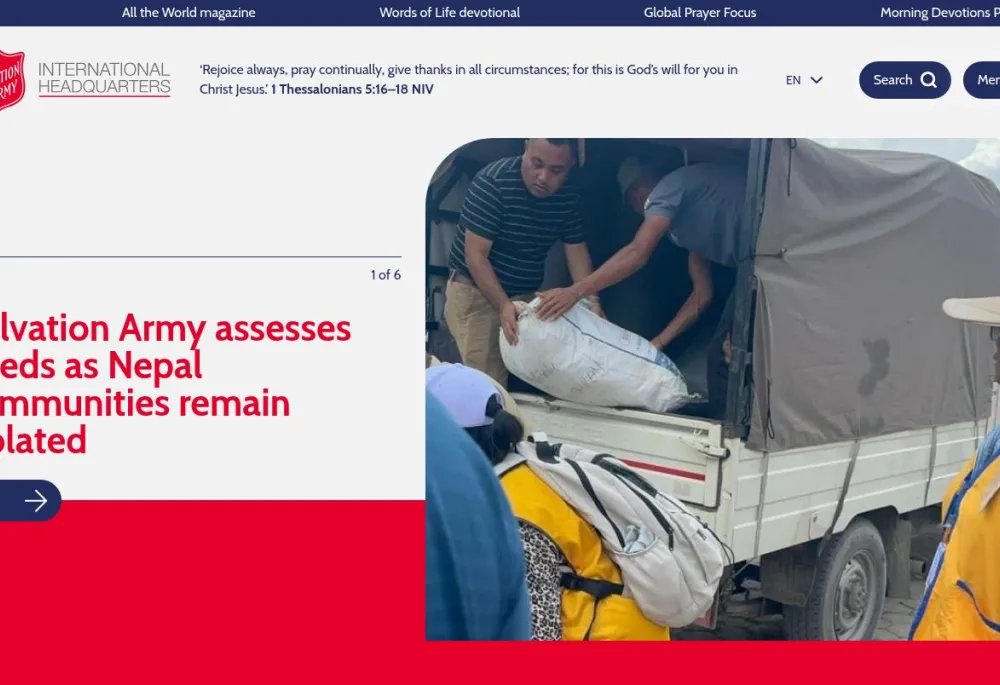
The project also had a wider organisational purpose. The Church was planning a new generation of websites for its central organisation and the Archbishops of Canterbury and York. Big Blue Door proposed a fresh Drupal multisite that could support this shared direction, beginning with the Pensions Board. Common components and a shared codebase would allow subsequent websites to benefit from the initial investment while retaining their own identity and content.
Big Blue Door brought an established relationship supporting the Church’s digital estate, combining Drupal development, responsive design implementation, quality assurance, hosting and ongoing technical support.
About the project
Goals and requirements
The project aimed to establish a clear, dedicated website for the Pensions Board and give its team a sustainable way to publish retirement information. Visitors needed routes into pensions, investments and housing, supported by relevant guidance, documents and contact options.
For editors, the platform needed flexible page composition without an unnecessarily complex CMS. Requirements included structured content, reusable media, managed navigation and publishing controls. The frontend needed to translate the Church’s design language across desktop, tablet and mobile, with WCAG 2.2 AA as the accessibility target.
From initial designs to a responsive system
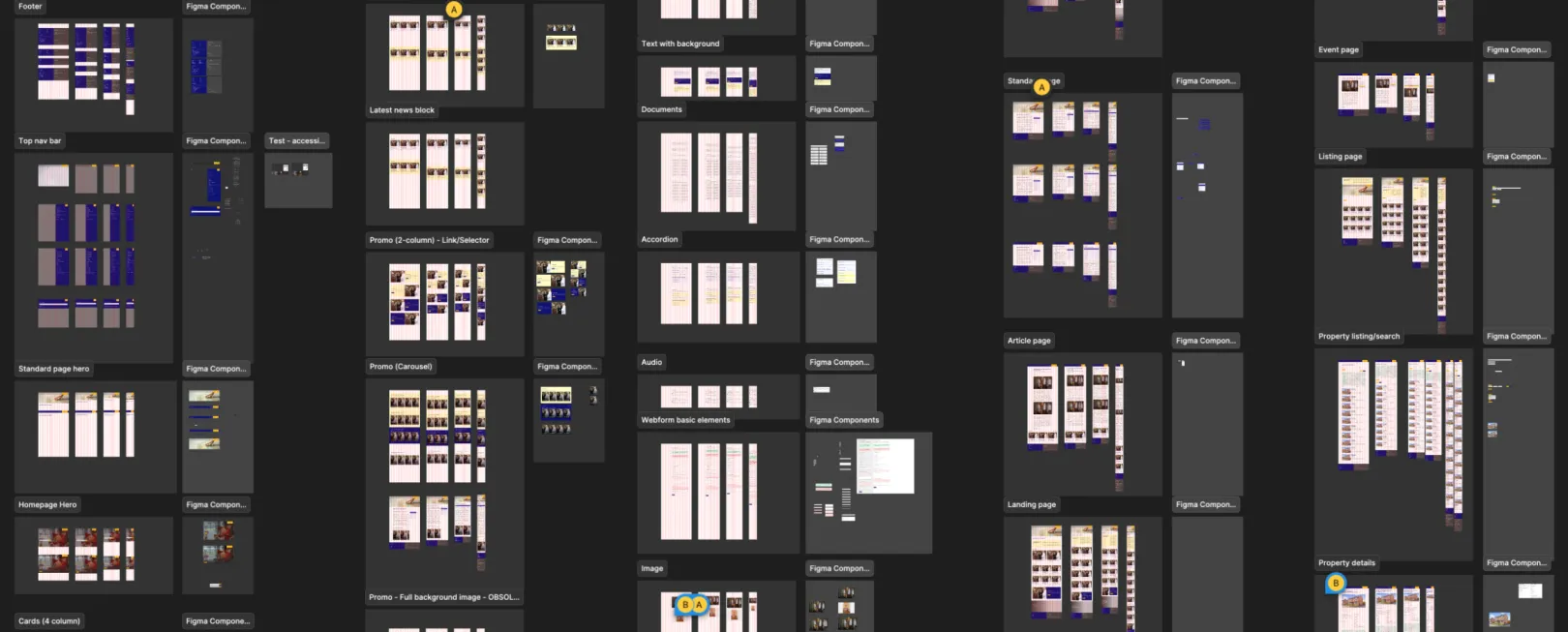
The Church’s digital team led the initial design work in Figma. Big Blue Door expanded those designs into a component system covering four screen sizes, specifying how layouts and interactions would behave across devices.
This included navigation, typography, spacing, buttons, transitions and page components. The resulting system gave developers a consistent reference and editors a coherent set of building blocks. Across the delivery, the case-study records describe more than 30 content types and paragraph components combined, supporting varied content within the shared design.
Drupal implementation
Big Blue Door delivered the backend content structures and frontend theme in Drupal 10. The build supported general information alongside articles, events and housing content, with reusable components for text, cards, documents, imagery, video and accordions.
Housing requirements included structured property information and listings, while a decision-tree component supported guided journeys. Development records show iterative refinement of property listings, in-page navigation, menus and the decision-tree presentation before launch.
The Church’s team led the content refresh and population. Big Blue Door provided the technical publishing framework and helped with some content upload. Redirect requirements and pre-launch link checks supported the move from the existing Church website to the new domain.
Delivery approach and milestones
Delivery used agile sprints, a shared Trello backlog and close collaboration between the Church’s digital team and Big Blue Door’s design, development, QA and delivery specialists. Daily development stand-ups helped resolve questions about the shared platform and keep frontend and backend work coordinated.
Planning and scoping preceded the main build, which began in May 2025. The functional and technical specification documented the shared and site-specific requirements in July. Testing preparation and client review continued through August, followed by final refinements and public launch on 9 September 2025. The main technical build was completed over approximately four months.
The Pensions Board was the first public site on the new multisite. Its launch established a working foundation for subsequent Church and Archbishop websites, with common features designed for reuse and individual sites retaining their own content and identity.
Outcome and ongoing value
The Pensions Board now has a dedicated digital presence bringing its retirement services into a consistent website. Visitors can explore service information and follow relevant routes into guidance and support. The website also signposts separate services such as PensionsOnline.
For the Church’s editorial team, Drupal provides reusable content structures and a shared design system for maintaining and extending the website. For the wider organisation, the first launch delivered a practical base for the multisite programme and future component reuse.
Big Blue Door hosts the website on AWS in the London region and provides ongoing monitoring, security updates and technical assistance under a service level agreement. The result combines a distinct public website with the maintenance and support needed to sustain it beyond launch.
Why Drupal was chosen
Drupal supported both the immediate requirement for a dedicated Pensions Board website and the longer-term plan for the Church’s digital estate. The Church already used Drupal, and the new project offered an opportunity to retain that established foundation while rebuilding the content structures and presentation around current needs.
The key architectural decision was to create a new multisite rather than simply reskin the existing platform. Drupal allowed Big Blue Door to develop common functionality in one codebase while maintaining separate websites and databases. Shared improvements could then be applied across the estate, with testing for each site and scope for individual branding and site-specific features.
Drupal’s structured content model also matched the variety of information the Board needed to publish. General guidance, news, events and property information could have appropriate fields and layouts, supported by reusable Paragraphs components. This gave editors flexibility to assemble pages within a consistent design system.
Publishing requirements included roles and permissions, revisions, previews, scheduled publication, metadata, redirects and a shared media library within each site. These requirements made Drupal a practical fit for controlled, ongoing content management. Its open-source foundation also supported a maintainable platform that could continue to evolve with the organisation.
Together, these capabilities connected the Board’s own website needs with a reusable technical approach for the wider Church, rather than treating the new site as an isolated build.
Technical Specifications
Drupal version: