Sector(s)
Team Members
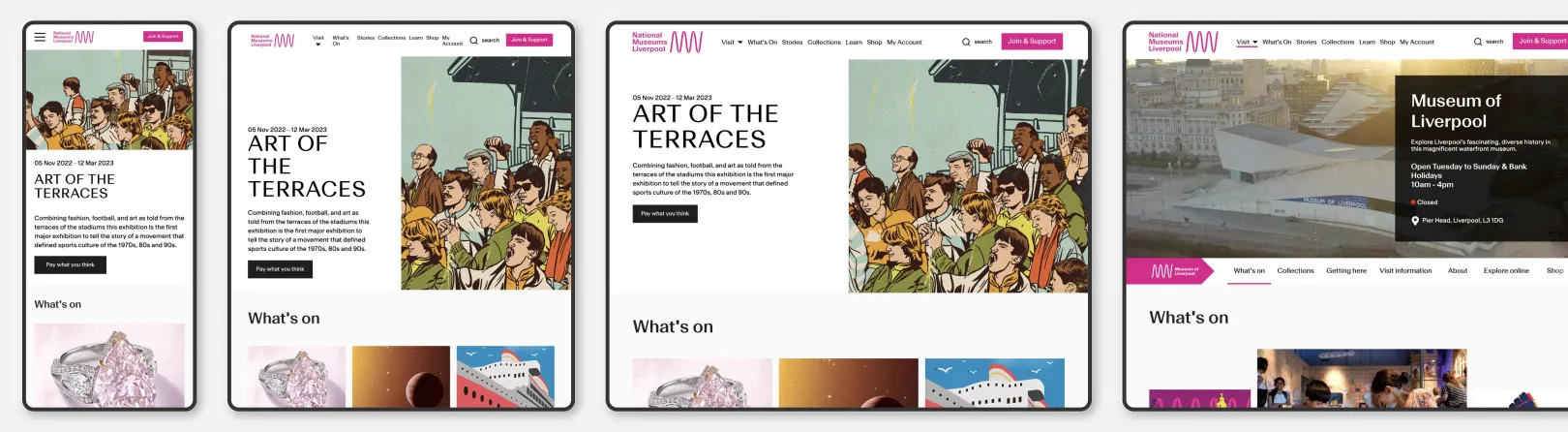
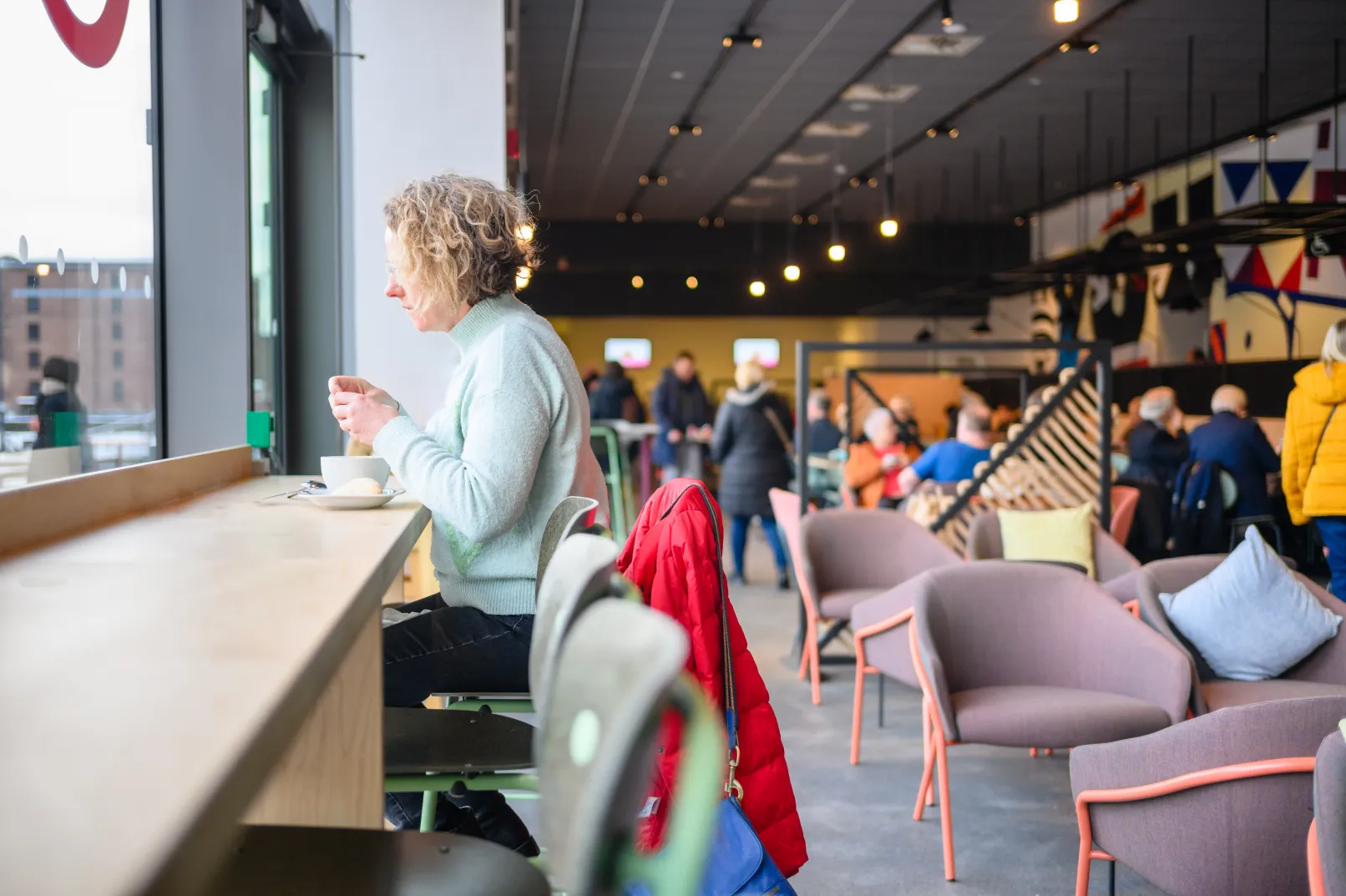
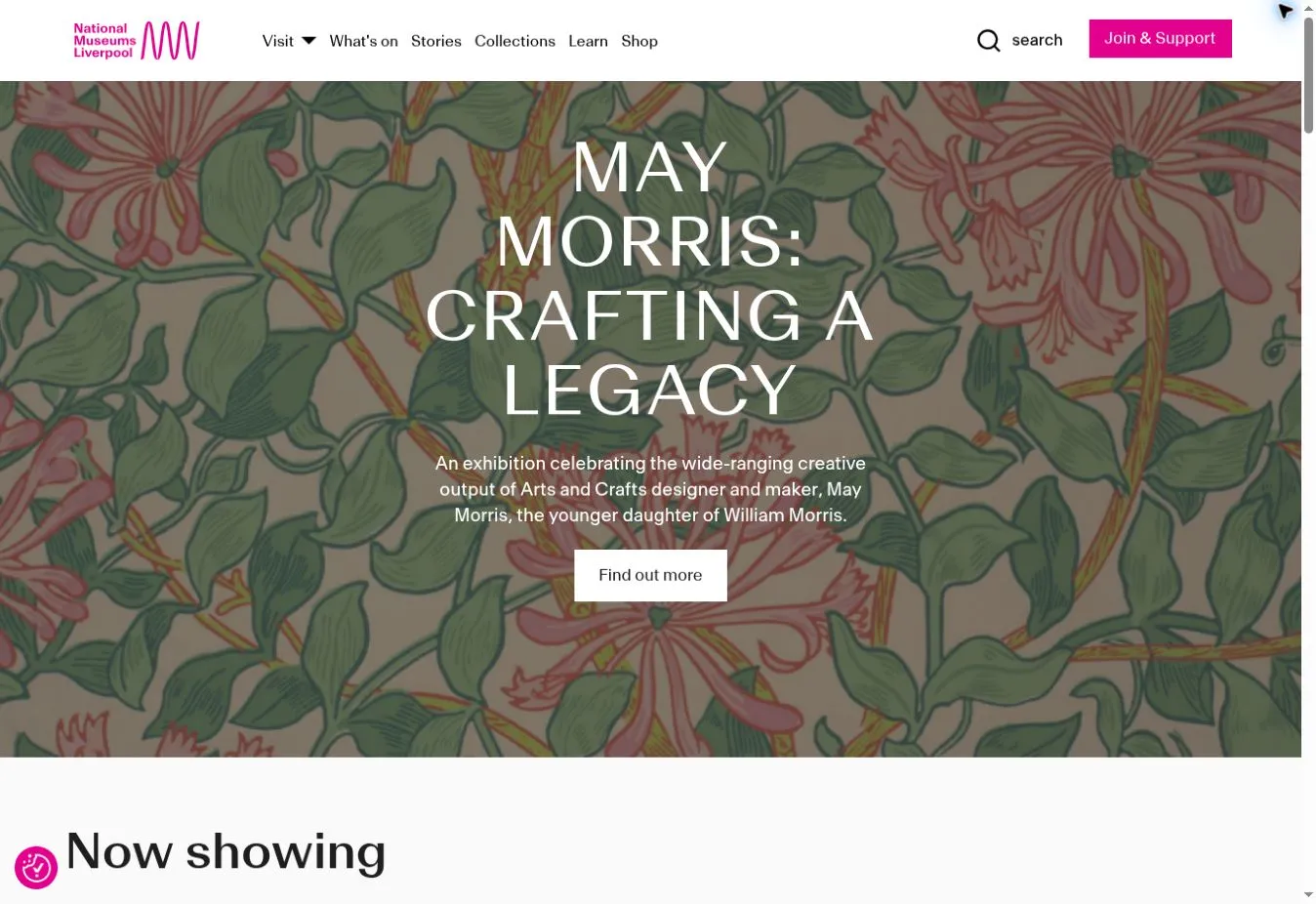
National Museums Liverpool brings together seven museums and galleries, with collections spanning art, history, science and the stories of Liverpool and its communities. Its website serves people planning a visit, exploring collections, discovering exhibitions and engaging with the organisation online.
Big Blue Door joined the project in June 2019 to deliver the technical implementation and integrations, building on user research and an established design system commissioned by National Museums Liverpool. The original solution combined Drupal 8 with a headless React frontend and was live by February 2020.
The relationship developed beyond the initial launch. Big Blue Door implemented the organisation’s 2021 visual identity across its digital channels, added membership functionality connected to Microsoft Dynamics in 2022, and continues to provide support, maintenance and development.
Business case and background
National Museums Liverpool needed a digital platform that could represent the breadth of its museums while making content easier to manage. Its existing estate spread information and services across several systems: Contensis for website content, WordPress for the blog, a custom events application and specialist systems for collections and imagery. The online shop also needed to develop as a commercial channel.
The business case was to simplify this publishing environment while retaining the capabilities of the systems that served specialist purposes. Visitors needed a coherent route between museum information, exhibitions, stories and collections. Editors needed a modern CMS that could support this breadth of content without maintaining separate legacy publishing platforms.
National Museums Liverpool had already invested in user experience work and an atomic design approach before Big Blue Door’s appointment. Big Blue Door’s role was to turn that foundation into a working platform: migrating content, connecting data, implementing the frontend and making the resulting service maintainable.
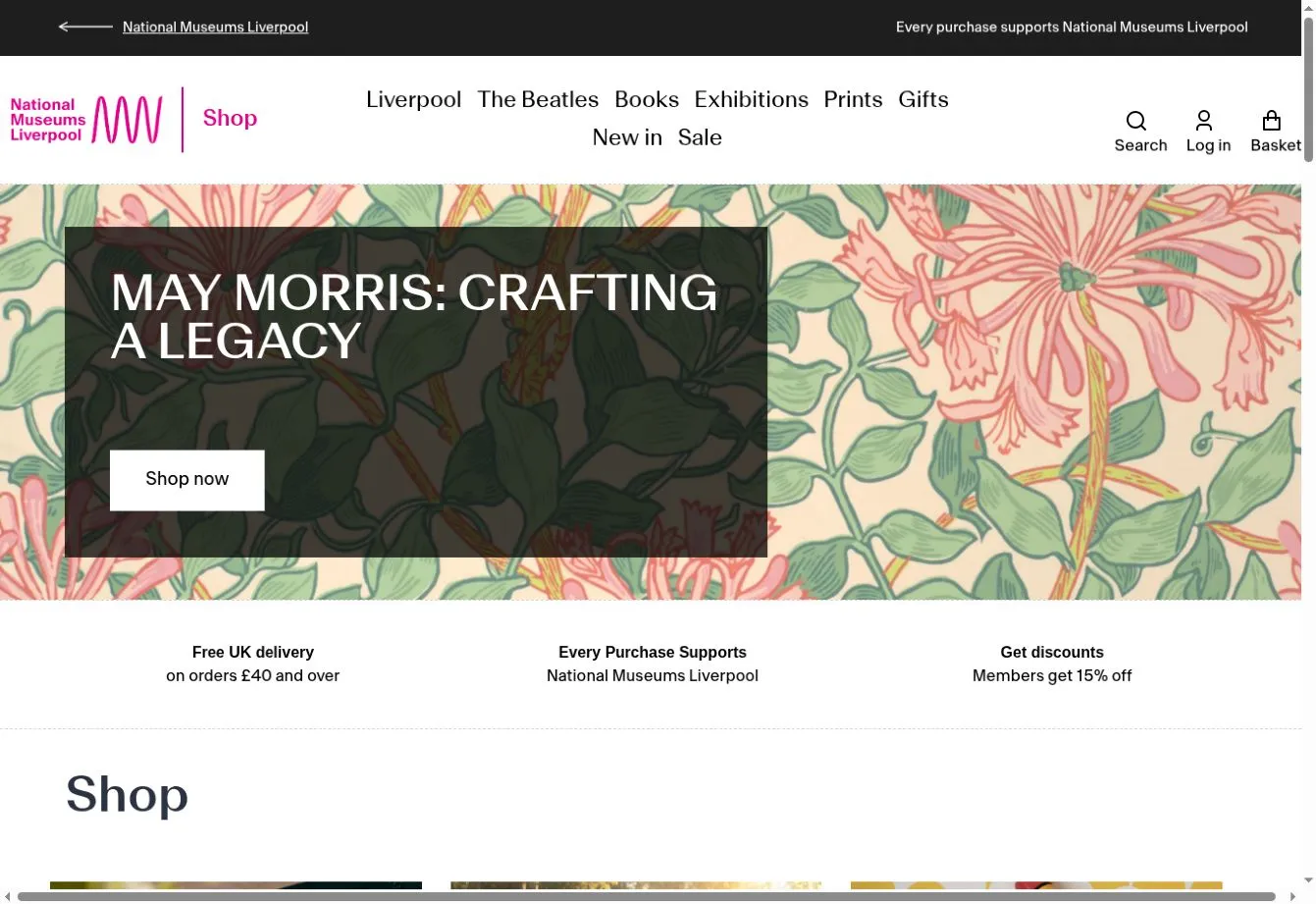
The scope also extended to ecommerce. Big Blue Door themed the separate Shopify shop to reflect the wider website, supporting a consistent visual experience as users moved between discovering the museums and browsing products.
About the project
Goals and requirements
The project aimed to make National Museums Liverpool’s digital estate easier to use, publish to and develop. Key requirements were to consolidate legacy content, implement the agreed design system, expose collection information online and support journeys between museums, exhibitions, stories and commercial services.
This required careful treatment of systems that served different purposes. Website and blog content could move into Drupal; Mimsy remained the specialist source of collection data; and Shopify provided the online shop. Big Blue Door’s implementation connected these parts through the website while preserving their respective responsibilities.
Delivery and migration
Starting in June 2019, Big Blue Door worked with National Museums Liverpool through fortnightly sprints. The client team participated in planning, reviews and retrospectives, creating regular opportunities to inspect progress, resolve dependencies and agree priorities.
The original build combined Drupal 8 and a headless React frontend. Big Blue Door migrated content from Contensis, moved the WordPress blog into Drupal and replaced the legacy events application with Drupal-managed content. The previous publishing systems could then be retired.
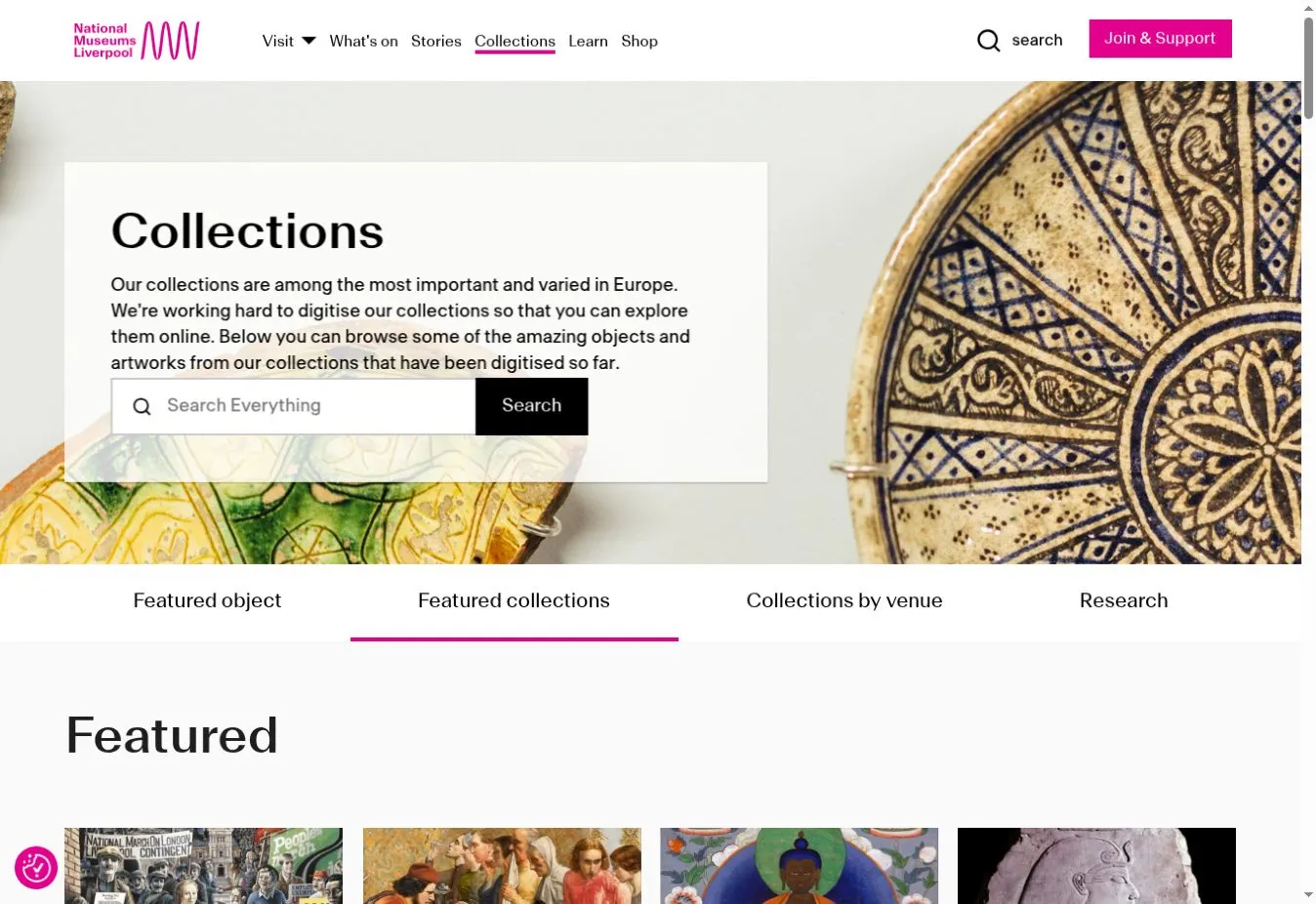
Collection discovery was an important part of the technical delivery. Big Blue Door built an API connection to bring data regularly from Mimsy into Drupal and integrated the external image library. This connected the public website to the museum’s specialist information sources and enabled collection material to sit alongside other visitor and editorial content.
The ecommerce work moved the previous shop to Shopify. Big Blue Door themed the shop to resemble the wider website and integrated it into the digital experience, providing continuity for customers moving between museum content and products.
Timeline and continued development
- June 2019: Big Blue Door began the technical delivery, working from the research and design foundation already established by National Museums Liverpool.
- Early 2020: Migration, integration and testing led to the new website being live by February 2020.
- 2021: Following the new identity created by SomeOne, Big Blue Door implemented the rebrand across the websites for the seven venues, online shop and ticketing experience.
- 2022: Big Blue Door added Microsoft Dynamics API integration for membership, including My Account functionality, interest preferences and personalised content.
- Ongoing: Support and development have continued through subsequent Drupal upgrades, maintenance and improvements. September 2026 account records document a supported Drupal 10 platform and continuing release activity.
Outcome
The project established Drupal as a shared publishing platform for content previously spread across several applications. Retiring Contensis, WordPress and the custom events system reduced the number of legacy publishing environments National Museums Liverpool needed to maintain. The Mimsy connection brought collection data into the public website without replacing the specialist collections database.
The platform has also supported the organisation’s changing needs. Big Blue Door implemented a substantial rebrand on the existing service and subsequently extended it with membership functionality. The separately themed Shopify shop supports the organisation’s commercial activity while maintaining a visual connection with the main website.
What distinguishes this project is the combination of cultural content and operational integration: a website spanning seven venues, a rich collections resource, editorial publishing, membership and ecommerce. Big Blue Door’s continuing support helps National Museums Liverpool maintain and develop that connected experience beyond the original launch.
Why Drupal was chosen
Drupal suited a project that needed to combine structured publishing with data from specialist museum systems. National Museums Liverpool’s requirements extended beyond a set of promotional pages: the platform had to accommodate museum information, events, editorial stories and collection records, while supporting an established component-based design.
Drupal provided the central content platform for this work. Big Blue Door migrated the existing website content and blog into Drupal and brought the legacy events content into the same environment. This allowed National Museums Liverpool to retire the previous publishing systems and manage those content areas through a shared CMS.
Its API capabilities were particularly relevant. The original Drupal 8 implementation supplied content to a headless React frontend, allowing the presentation layer to implement the agreed design system while Drupal handled content management and integrations. Big Blue Door also developed an API connection to import collection data regularly from Mimsy, bringing specialist collection information into the public website.
The architecture accommodated services with different responsibilities. Shopify provided the ecommerce platform, with Big Blue Door delivering its theme and connecting it to the wider digital experience. Later, Microsoft Dynamics integration supported membership account functionality.
This combination gave National Museums Liverpool a foundation that could absorb substantial changes after launch. A new visual identity and subsequent membership features could be delivered as developments of the existing service. Drupal’s role as the central publishing and integration platform supported that continuity.
Technical Specifications
Drupal version: