Sector(s)
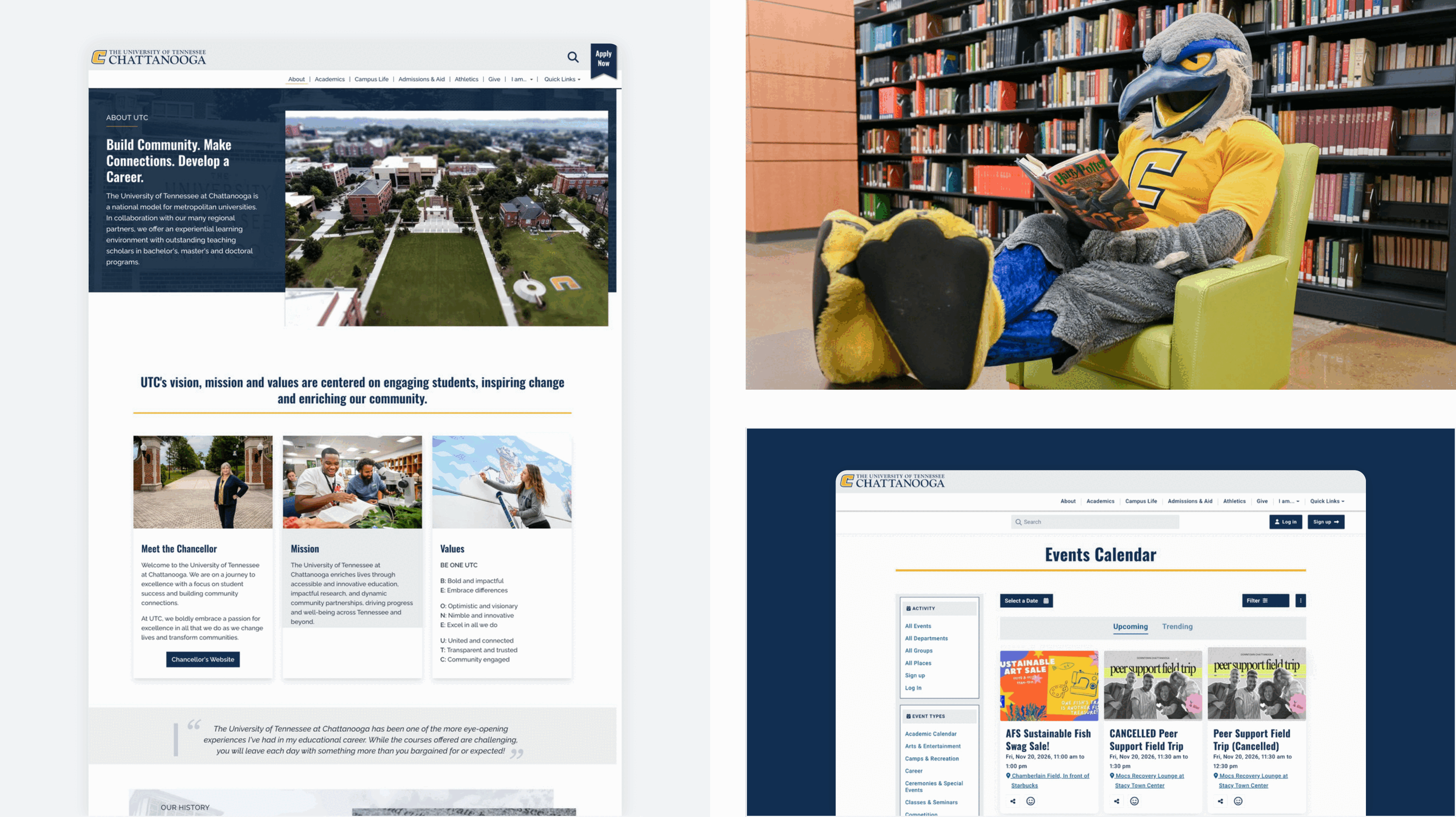
The University of Tennessee at Chattanooga (UTC) serves students, faculty, staff, and campus departments through a large, established Drupal platform. However, outdated deployment tooling, complex theme dependencies, and limited error monitoring were making the platform increasingly difficult to maintain.
Working with Vardot, UTC modernized its Drupal operations through automated deployments, codebase optimization, proactive monitoring, and developer enablement.
The results were significant: deployment time dropped from 2–3 hours to approximately 15 minutes, the number of active themes decreased from 10 to 3, and UTC's web team gained the ability to manage releases without external support.
The project demonstrates how universities can extend the value of their existing Drupal investments through targeted modernization rather than a complete platform replacement.
About the project
Results at a Glance
The University of Tennessee at Chattanooga transformed how its Drupal platform is maintained, monitored, and deployed, delivering measurable operational improvements:
- Deployment time: Reduced from 2–3 hours to approximately 15 minutes.
- Theme architecture: Simplified from 10 active themes to 3.
- Release independence: Eliminated the need for external support during routine releases.
- Error monitoring: Shifted from user-reported issues to real-time alerts.
- Operational efficiency: Established repeatable deployment practices and reduced unnecessary maintenance complexity.
UTC's experience shows how targeted Drupal modernization can significantly improve platform operations without requiring a complete CMS replacement.
The Challenge: Modernizing a Complex University Drupal Platform
UTC's website is a critical digital resource for prospective students, current students, faculty, staff, and academic departments.
Over time, the university's Drupal environment had accumulated technical and operational complexity.
The existing continuous integration and continuous delivery (CI/CD) infrastructure had not been updated in seven years. Deployment processes depended on outdated tooling and frequently required external assistance.
The codebase also contained 10 interdependent active themes, including elements associated with an abandoned design system and functionality that was no longer needed.
These challenges created several operational limitations:
- Routine deployments required two to three hours.
- Theme dependencies increased maintenance complexity.
- Production errors often remained undetected until users reported them.
- Limited workflow automation reduced the team's ability to respond efficiently to time-sensitive requirements.
The university needed a more sustainable development and deployment environment that could support its ongoing digital communications.
The Solution: Simplifying and Automating Drupal Operations
UTC partnered with Vardot to modernize its existing Drupal implementation, focusing on five areas.
1. Drupal Platform Audit and Roadmap
Vardot conducted a technical assessment covering the codebase, deployment processes, content management practices, and permissions.
The assessment resulted in a prioritized improvement plan and a 12-month roadmap for addressing technical debt and supporting future platform development.
2. Automated Deployments with GitHub Actions
The existing release process relied on retired Acquia BLT tooling and an aging CI/CD infrastructure.
Vardot introduced an automated deployment workflow using GitHub Actions.
The new process standardized releases, reduced manual intervention, and introduced a straightforward rollback capability.
Deployment time decreased to approximately 15 minutes, allowing UTC's internal web team to manage releases independently.
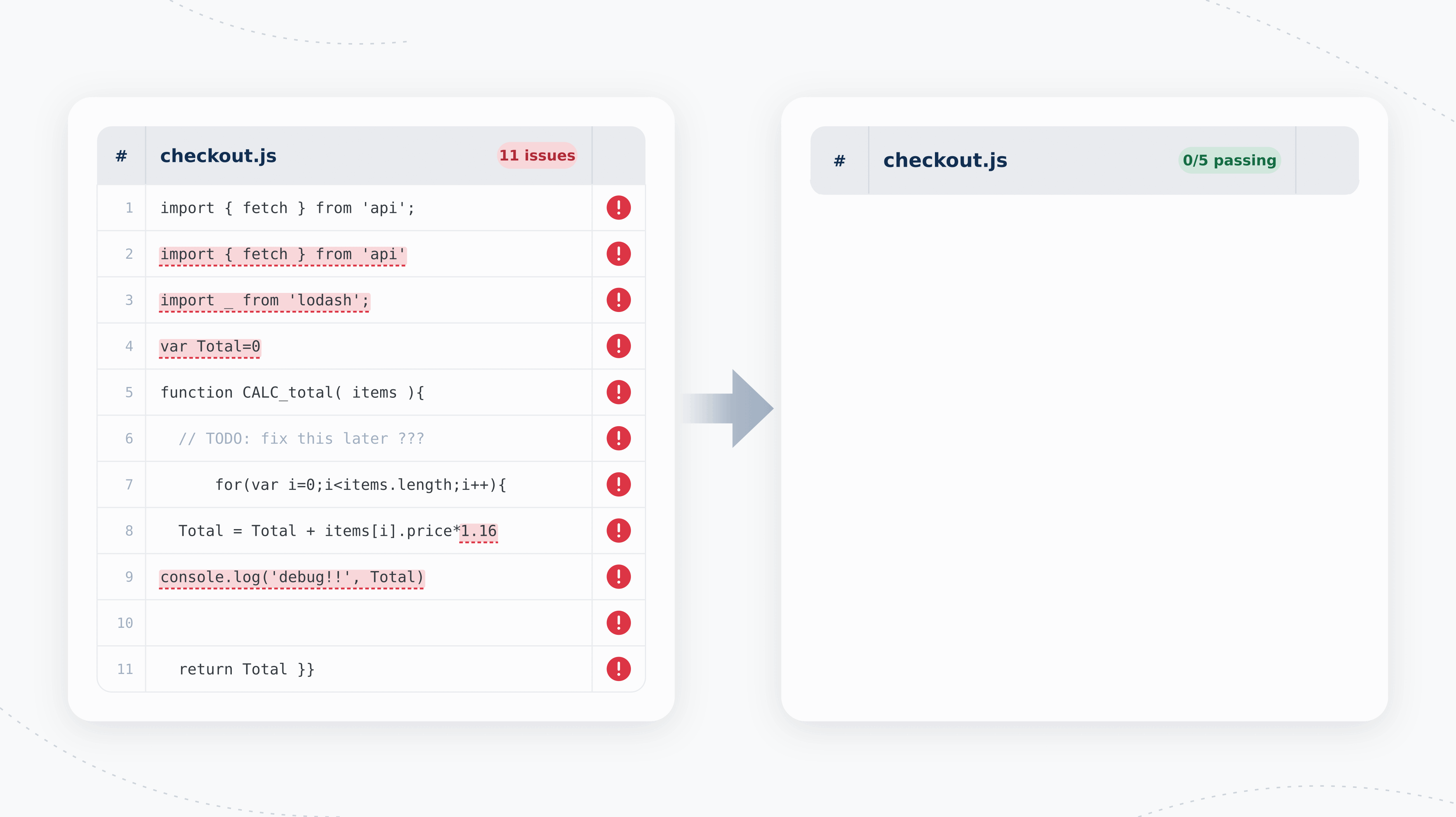
3. Drupal Theme and Codebase Optimization
The project included a comprehensive review of the platform's active themes and unused code.
Vardot eliminated unnecessary functionality and simplified the theme hierarchy from 10 active themes to just 3.
This reduced architectural complexity and established a more manageable foundation for future development.
4. Real-Time Error Monitoring
Sentry was introduced to provide proactive monitoring and actionable error notifications.
Instead of relying primarily on visitors to report broken functionality, UTC's development team gained earlier visibility into production issues and the information needed to investigate them.
5. Knowledge Transfer and Team Enablement
Technical modernization was accompanied by weekly working sessions with UTC's developers.
These sessions covered automated deployments, monitoring workflows, codebase decisions, and ongoing platform operations.
The objective was to ensure the university could operate and maintain its improved Drupal environment independently.
Outcomes and Long-Term Benefits
The modernization delivered improvements extending beyond faster deployments.
Greater operational independence: UTC's internal team can manage routine releases and rollbacks without relying on an external service provider.
Faster response to university needs: Streamlined deployments make it easier to release updates supporting admissions, academic programs, campaigns, and campus communications.
Simplified platform maintenance: Reducing the number of themes and eliminating redundant dependencies makes the codebase easier to understand and extend.
Proactive issue detection: Real-time monitoring improves the team's ability to identify and investigate technical problems.
More sustainable operations: Documented processes, a modernization roadmap, and practical training give UTC a stronger foundation for ongoing Drupal development.
A Model for Sustainable Drupal Modernization
UTC's experience illustrates how higher-education institutions can achieve meaningful results by modernizing the operational foundation of their existing Drupal platforms.
By combining automated deployments, simplified architecture, proactive monitoring, and internal team enablement, UTC reduced release times from hours to minutes while establishing a more maintainable platform for the future.
Why Drupal was chosen
For the University of Tennessee at Chattanooga, the challenge was not selecting a new content management system. Drupal was already the foundation of the university's digital presence, supporting communications and content delivery across multiple campus audiences.
The opportunity was to make this existing platform more efficient, maintainable, and sustainable.
Over time, legacy deployment processes, interdependent themes, and outdated development tooling had introduced unnecessary complexity. Rather than undertake a disruptive CMS migration, UTC focused on improving the architecture and operational processes supporting its Drupal implementation.
Retaining Drupal allowed the university to build on its existing content infrastructure while simplifying the theme structure, automating releases, strengthening error detection, and establishing more consistent development practices.
This approach also allowed the university to continue its regular publishing activities throughout the modernization.
The project demonstrates an important advantage of an established Drupal platform: organizations can improve its maintainability and operational efficiency through incremental architectural and workflow improvements, without having to replace the CMS itself.

Technical Specifications
Drupal version: