Sector(s)
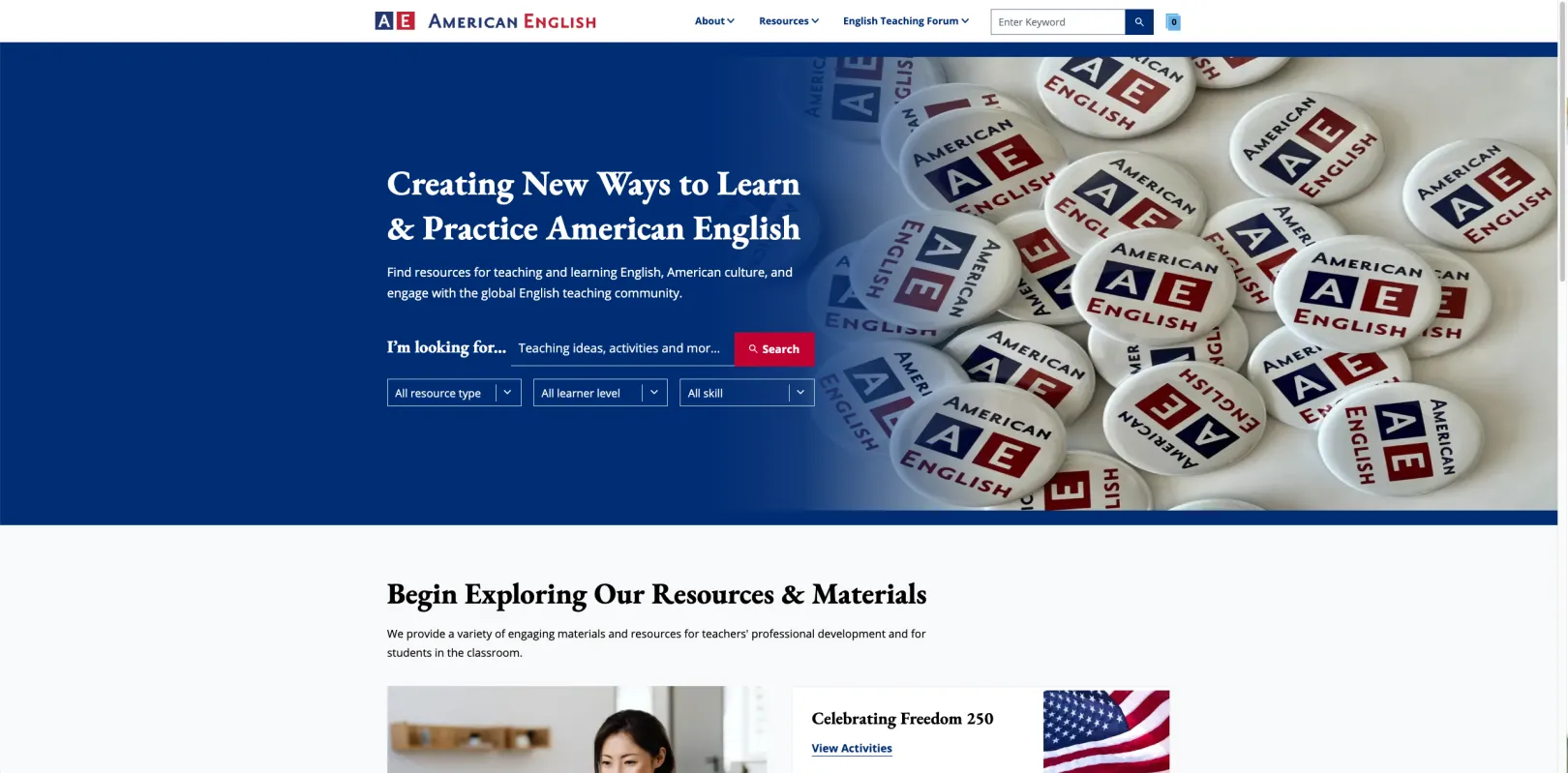
American English is a long-running U.S. Department of State program, run by FHI 360 under the OPEN Program, that supports English language educators worldwide with teaching resources and cultural content. Over time its value grew alongside a large library of materials, but the site was still running on Drupal 7, creating mounting technical and operational risk as expectations for accessibility, performance, and maintainability rose. FHI 360 needed a modern Drupal foundation live before the end of 2025 to support the promotion of America 250 resources beginning January 1, 2026. The work was deliberately structured in phases: Phase 1 delivered a launch-ready foundation and core pages, and Phase 2 completed the full resource library architecture and search experience.
About the project
Goals and requirements.
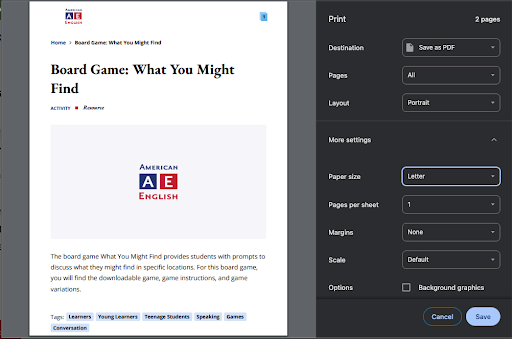
FHI 360 needed to modernize a mission-serving platform without losing what made it valuable to a worldwide audience of educators. The project carried a firm deadline: a modern foundation had to be live by December 31, 2025, aligned with the launch of America 250 resources on January 1, 2026. Accessibility (Section 508, ADA, WCAG 2.0 AA) and strong performance in constrained-bandwidth environments were non-negotiable and written into the acceptance criteria. A print-friendly output was required to support classroom and offline use.
Approach.
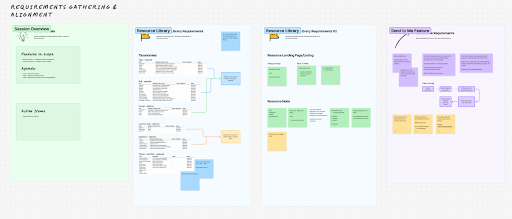
To protect the deadline, the work was split into two phases. Phase 1 established the foundation, reusable templates, and the core page experiences (Home / Resource Library landing, Forum, About Us, plus limited subpages). Phase 2 was scoped to deliver the full resource library architecture, taxonomy and tagging model, a migration proof of concept, and the core search experience, including a "Send to me" feature that lets users select resources and email them to themselves. This phased strategy avoided the most common enterprise-migration failure: trying to rebuild everything at once and missing the deadline that matters.
The entire design was centered around the desired user experience. A thorough discovery phase was conducted.
Phase 1 delivered a modern Drupal foundation on a new .org domain; three core page experiences built as scalable templates; accessibility and low-bandwidth readiness embedded in the build and verified through testing; and a print-friendly experience for educators. Deployment readiness was supported through a documented CI/CD pipeline with separate development, staging, and production environments, automated code-quality checks for PHP, JavaScript, CSS, and spelling, and Playwright automation of key user workflows. A comprehensive user manual and technical training were produced so content editors and administrators could operate the platform independently.
Outcomes.
- A launch-ready Phase 1 foundation delivered on schedule, with accessibility and low-bandwidth expectations built into the acceptance criteria.
- Clear scope governance separating Phase 1 delivery from Phase 2, reducing ambiguity and protecting the timeline.
- Content operations transformed: previously the client had no admin access and could not edit, upload, or publish content. They now have full administrative control over content management and publishing.
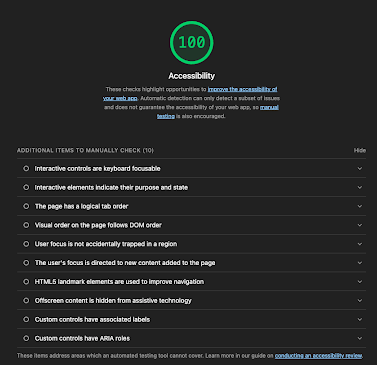
- Accessibility: the site scored 100 on automated WCAG checks, passing WCAG A, WCAG AA, and EN 301 549.
-
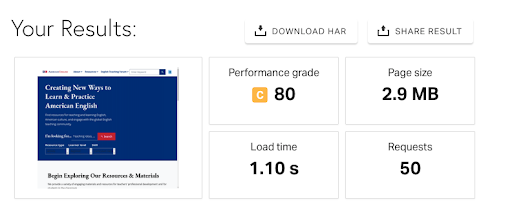
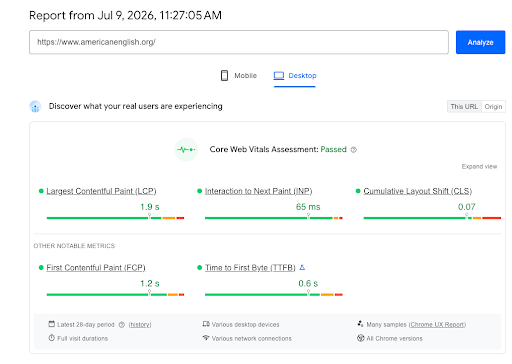
Performance in low-bandwidth regions improved dramatically: the legacy site took roughly 8 to 10 seconds to load and frequently returned broken pages, while the new site loads in 725 ms to 1.1 s across tested regions (South America and Asia), with a page size of 2.9 MB over 50 requests. Core Web Vitals passed on the live site (LCP 1.9 s, INP 65 ms, CLS 0.07).
Phase 1 launched December 30, 2025, and Phase 2 launched June 15, 2026. Powered by Varbase, the AI powered Drupal CMS.
Why Drupal was chosen
The existing platform was already built on Drupal, and the program's needs pointed clearly toward staying on it: a large and growing library of structured educational content, strict public-sector accessibility obligations (Section 508, ADA, WCAG 2.0 AA), a global audience including low-bandwidth regions, and a requirement for content editors and administrators to manage and publish content independently. Drupal's mature content modeling, taxonomy, and accessibility tooling, combined with a supported release line, made it the right foundation for both the immediate Phase 1 launch and the planned Phase 2 resource library and search build-out. Moving off the end-of-life Drupal 7 codebase onto a current, supported version removed the technical and security risk that had accumulated on the legacy platform.
Technical Specifications
Drupal version:
Key modules/theme/distribution used: