Sector(s)
Visit the site
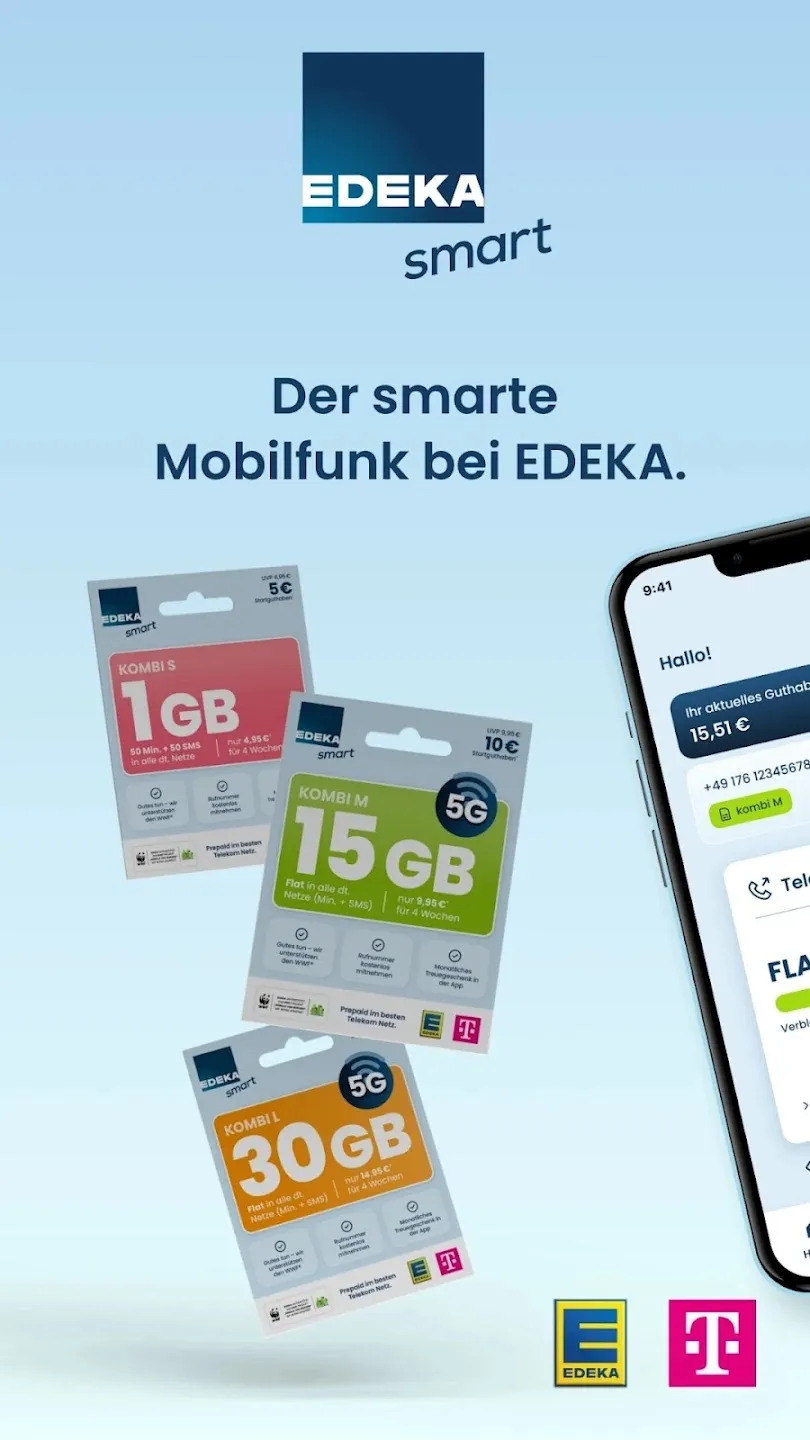
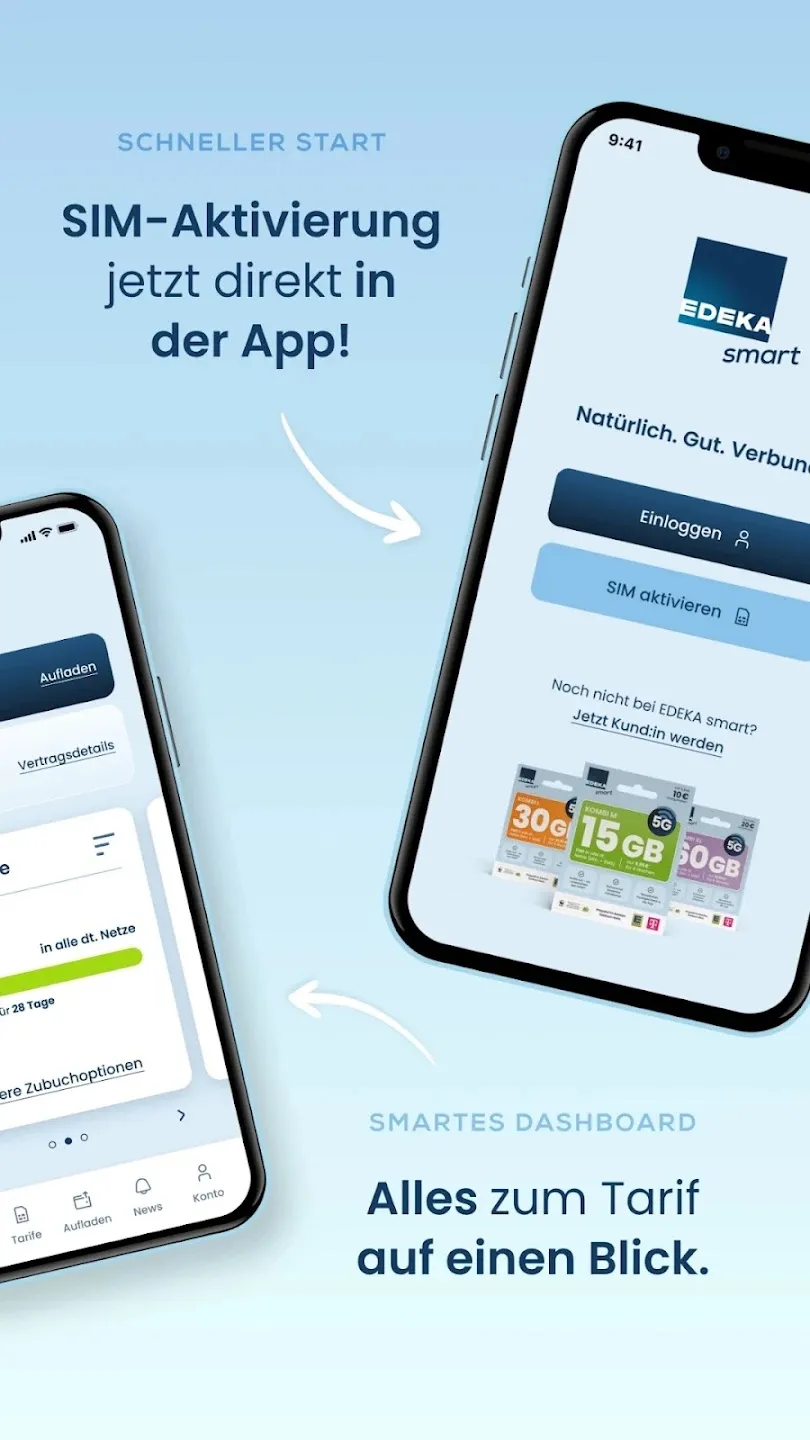
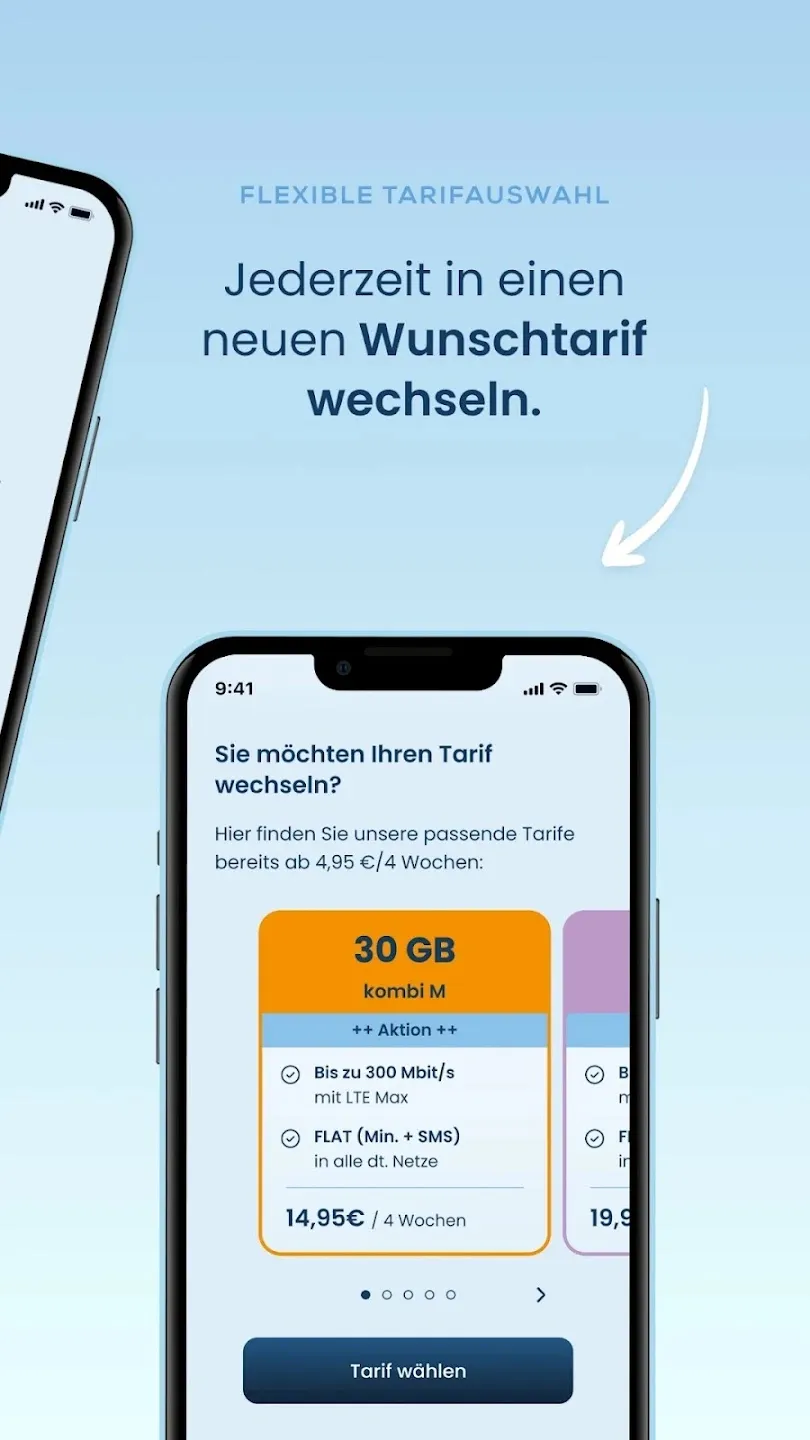
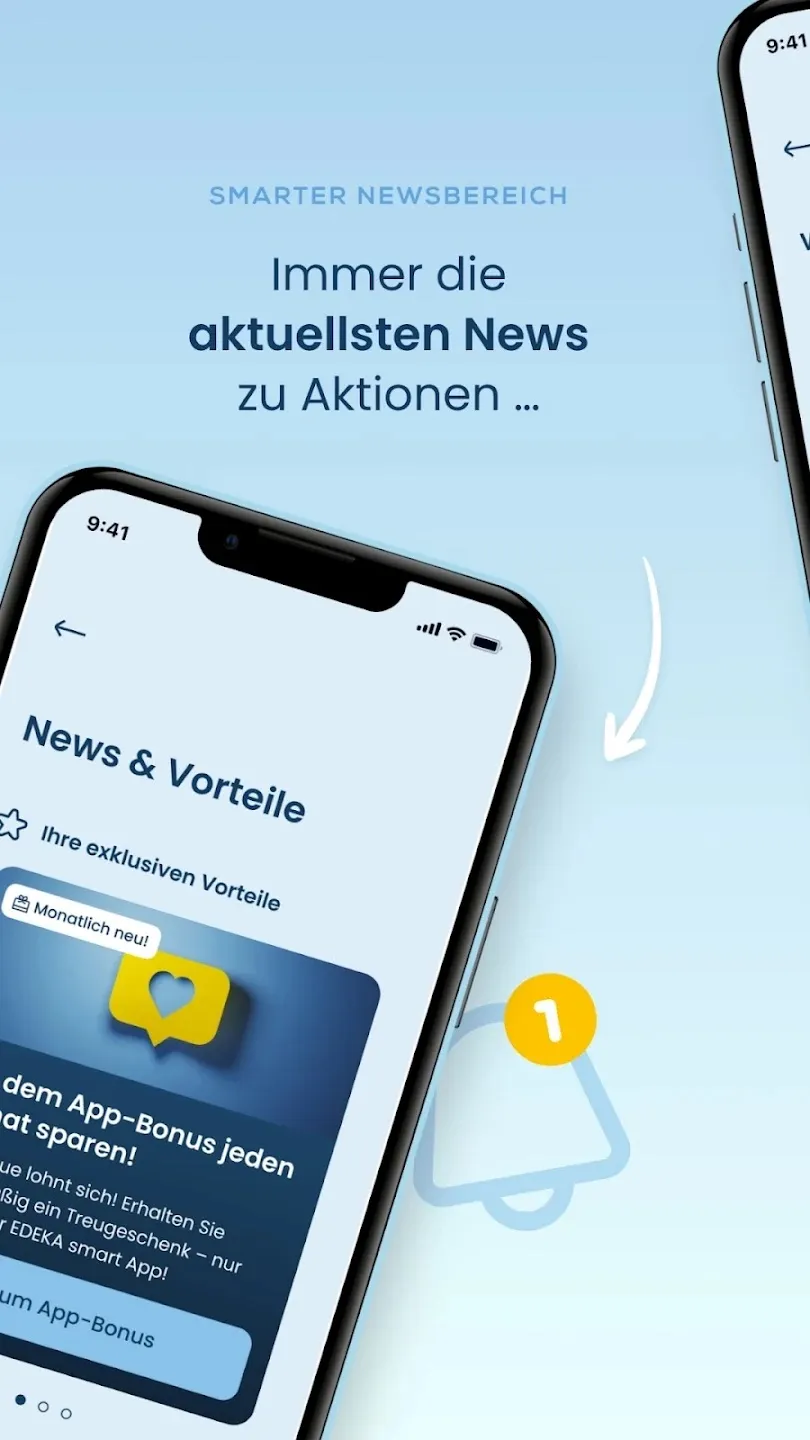
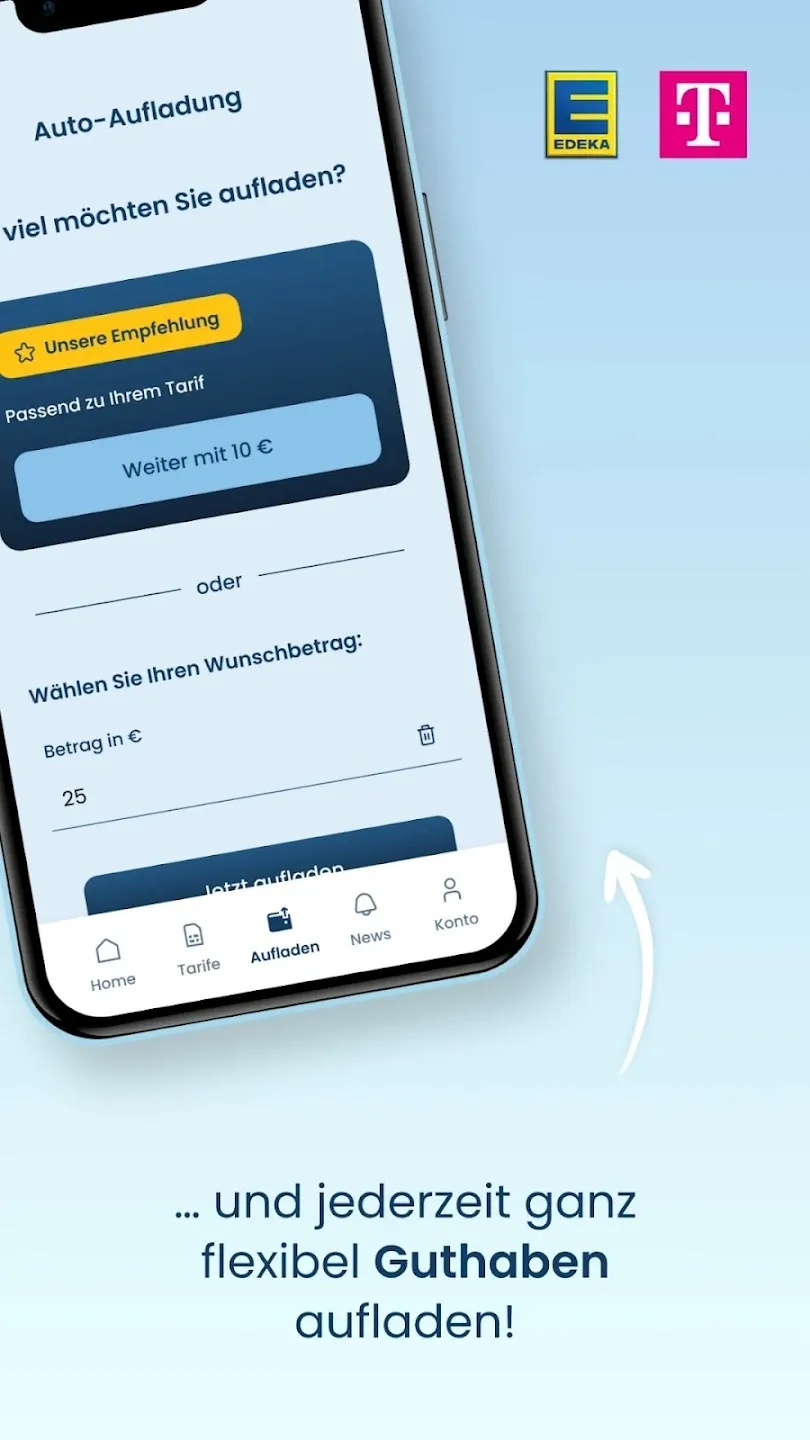
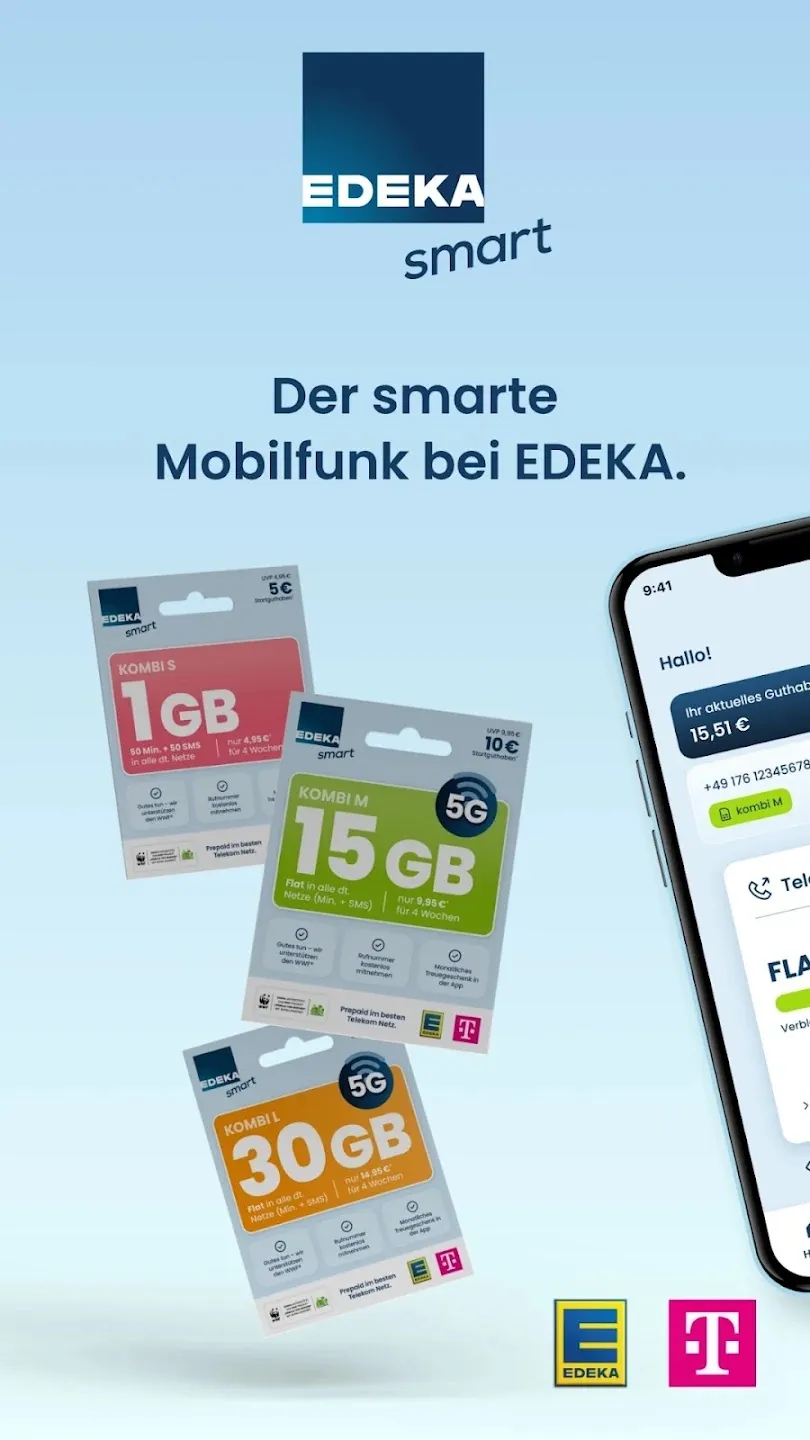
Visit the siteTelekom Deutschland operates the branded prepaid propositions EDEKA smart and NORMA connect. Within a multi-party delivery model, DOM is responsible for the brand frontends, their maintenance and the Drupal-based content supply. The platform supports public and user-specific content, payment services and mobile and web experiences and integrates with Telekom’s Online Charging System (OCS) and other external services. Content management is implemented in Drupal 11 as a shared, headless content platform for both brands and for mobile and web frontends. Drupal acts primarily as a structured editorial and content-orchestration backend. In addition to conventional Drupal content types, the platform makes extensive use of the Site Settings module and custom modules to manage structured frontend configuration and campaign content.
Structured JSON and campaign management
Unlike a platform relying mainly on conventional Drupal nodes, this implementation makes extensive use of Site Settings with custom JSON data fields. Editors can maintain complete structured datasets for content categories such as tariffs, news, payments and dashboard information directly within Drupal. A dedicated custom campaign module provides a higher-level editorial interface for campaign-specific JSON. Instead of requiring editors to work with raw JSON, it exposes extensive WYSIWYG-style forms for configuring individual frontend components. Campaign editors can configure properties such as labels, dates, icons, light- and dark-mode presentation, styles and other component-specific settings. The interface also provides previews of complete frontend elements, including widgets, popups, badges and teasers, before publication. The resulting structured campaign JSON is combined with the content maintained through the other Site Settings types and distributed to the delivery layer.
Decoupled content delivery
Drupal is separated from the runtime content-delivery path. Published Drupal content is transferred to an in-memory cache, from which a separate Content API serves the web and mobile applications independently of Drupal. This architecture allows Drupal to remain the editorial source of truth while frontend applications consume optimised content without requiring direct Drupal requests at runtime. The same principle applies to media assets. Files uploaded through Drupal are synchronised to a custom S3-compatible storage layer based on a self-hosted SeaweedFS instance, integrated through Drupal's s3fs module. Frontend content and media can therefore be delivered independently from the Drupal application itself.
Multibrand model
The same Drupal instance manages content for multiple brands and delivery channels. Content can be assigned to the relevant brand and selectively published to web, mobile app or both. This allows common editorial tooling and content models to be reused while maintaining brand-specific frontend content, campaigns, translations and configuration within a single Drupal backend.
Why Drupal was chosen
Drupal was chosen as a central content orchestration backend for multiple brands, channels and frontend applications. Its flexible content model, Site Settings architecture and extensibility allowed editors to manage structured JSON either as raw data or through custom WYSIWYG-style forms, as well as campaign content, translations and media, while exposing the published data through decoupled APIs. At the same time, the Drupal instance itself could remain isolated from the public web, reducing the attack surface where direct public access was not required.
Technical Specifications
Drupal version:
Key modules/theme/distribution used: