Sector(s)
Visit the site
Visit the siteOrganizations Involved
Community contributions
The module Eco Mode (https://www.drupal.org/project/eco_mode), initially developed for the sole purpose of this project, was later made available as a community module.
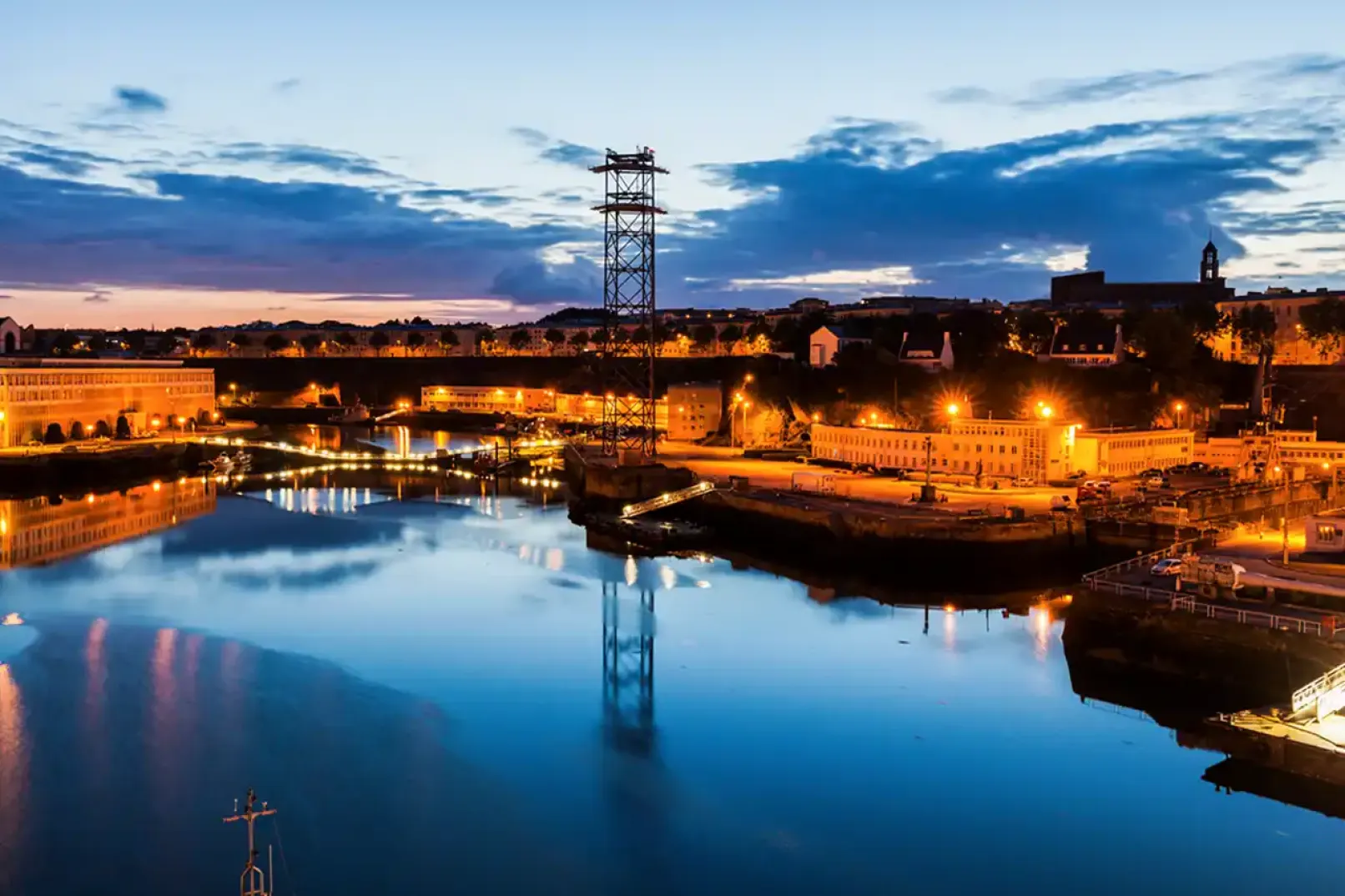
Brest Métropole is the second-largest metropolitan area in Brittany and a key hub for Western Brittany. It brings together eight municipalities and serves approximately 400,000 residents.
Its website plays a central role in informing and supporting citizens in their daily interactions with public services. It must also address a wide range of audiences, including residents, local businesses, associations, institutional partners, and media.
To better reflect the dynamism of its territory and improve service delivery, Brest Métropole initiated a comprehensive redesign of its digital ecosystem.
About the project
Initial Situation
The previous digital platform was built on TYPO3 and faced limitations in scalability, performance, and content management. The ecosystem lacked cohesion, making it difficult to maintain a consistent brand identity across multiple sites.
At the same time, the Metropolis aimed to significantly increase traffic and improve engagement, while making its actions more visible to the general public.
There was also a strong need to adopt eco-design principles and improve accessibility, ensuring that the platform could deliver high performance while remaining inclusive and sustainable.
The Challenge
- Increasing high-quality traffic across multiple audiences
- Improving visibility of public services and local initiatives
- Migrating from TYPO3 to a more scalable platform
- Managing multiple websites within a unified ecosystem
- Ensuring consistent branding across all sites
- Integrating eco-design principles without compromising usability
- Meeting accessibility requirements for public sector platforms
- Delivering high performance under varying network conditions
Outcome
Platform migration and site factory implementation:
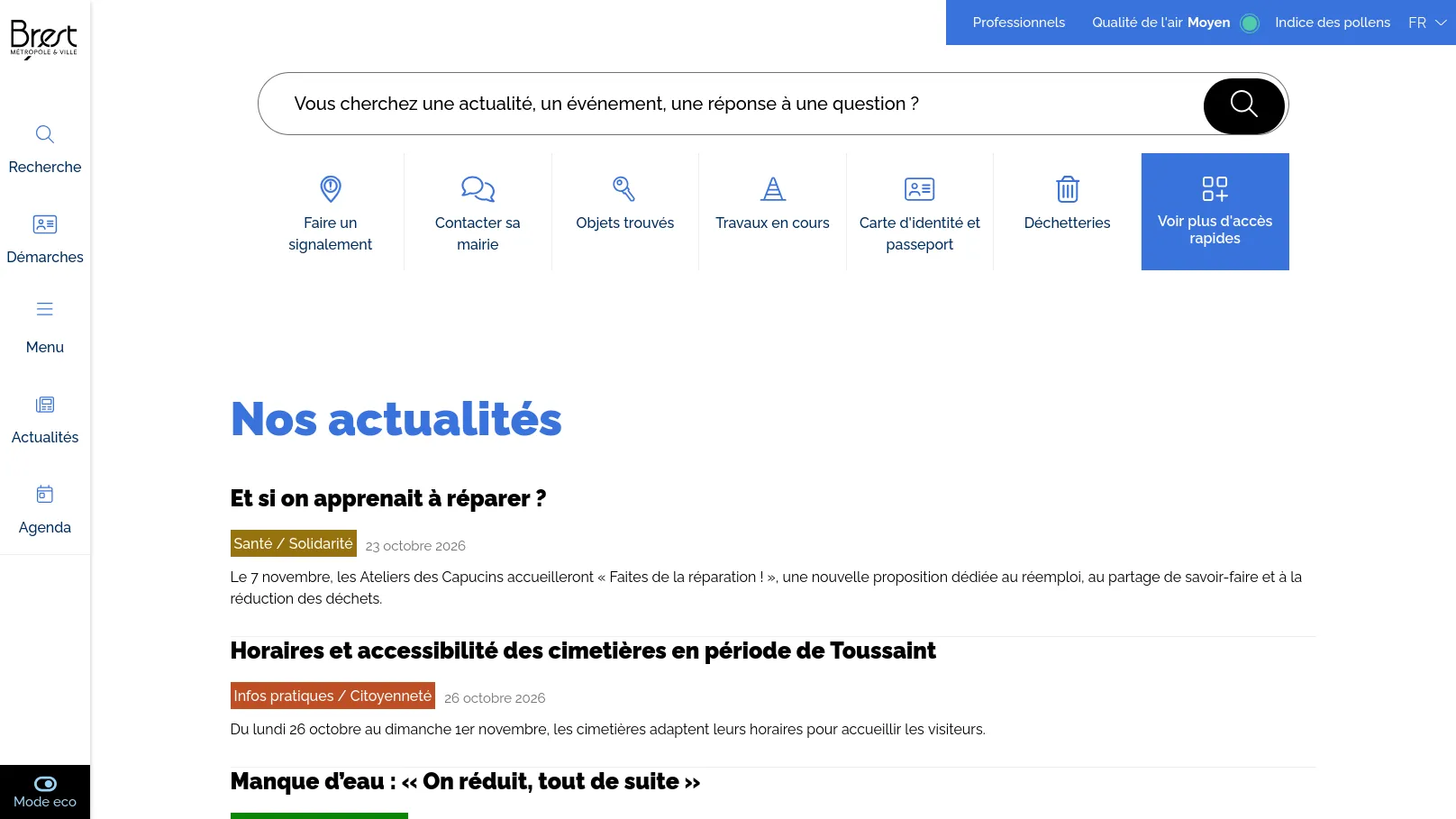
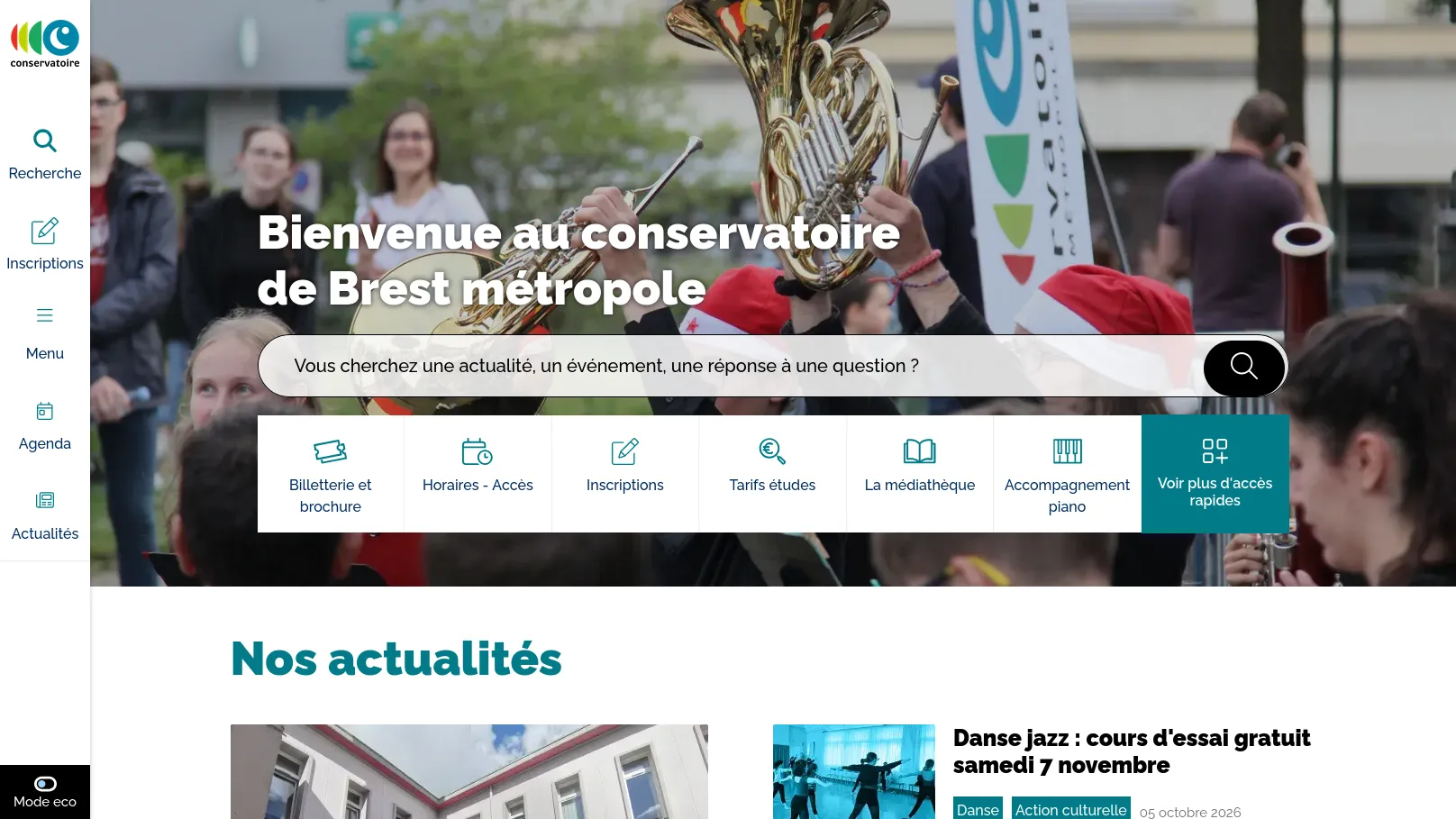
Adimeo migrated the ecosystem from TYPO3 to Drupal and implemented a site factory model. The main website, Brest.fr, became the central hub, connected to multiple thematic and institutional sites built on a shared technical foundation (Domain).
Unified architecture and decentralized content management:
All sites share the same technological base, ensuring consistency in branding and performance while allowing decentralized content management by different teams.
Improved information architecture and navigation:
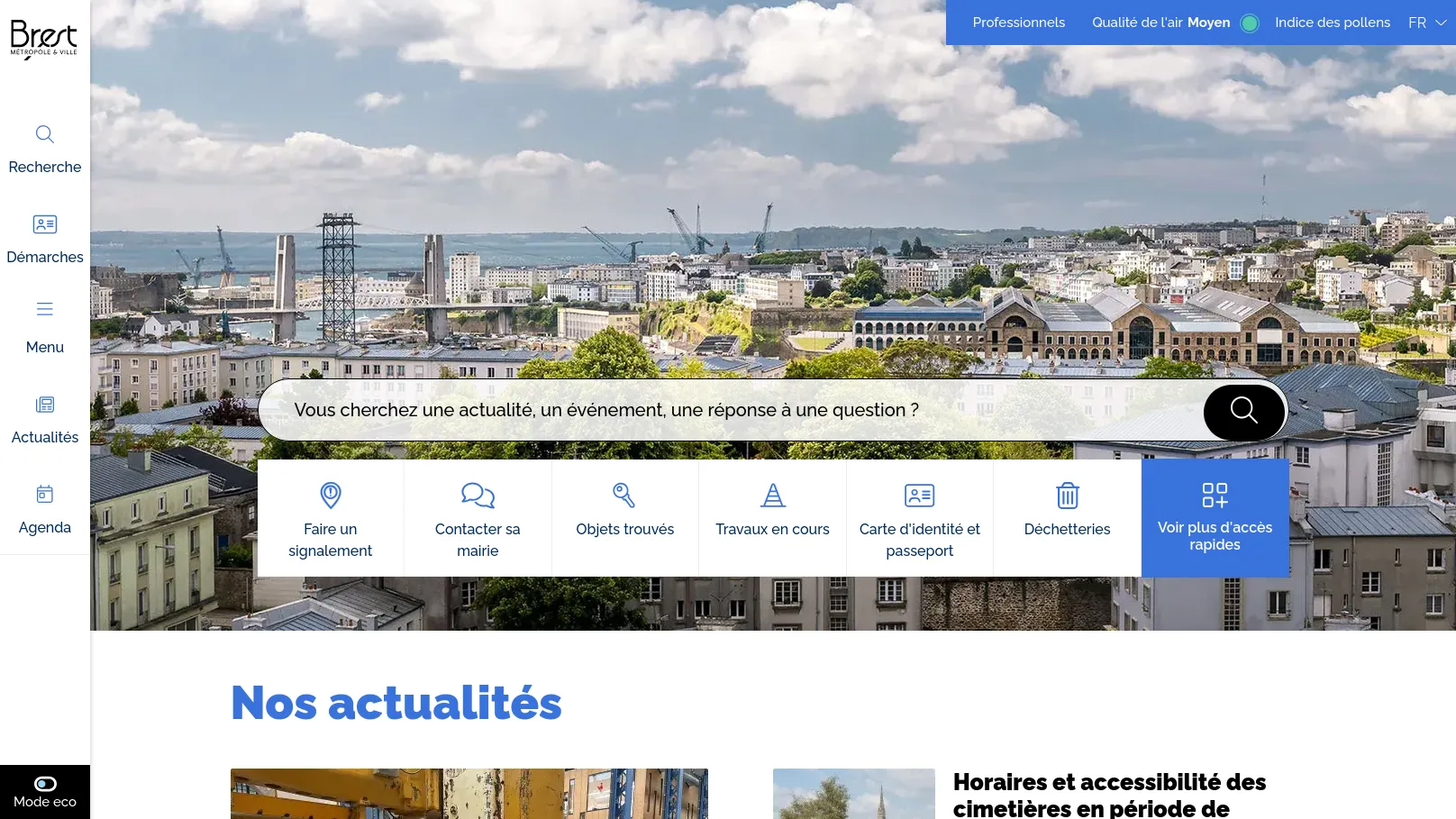
The site structure was redesigned to provide a more intuitive and flexible navigation experience. A federated search engine with quick access and suggestions was implemented to help users quickly find popular services.
Enhanced service features:
Additional functionalities, such as an air quality information module, were developed to provide real-time, relevant information to users.
Eco-design mode:
A dedicated eco-design module was created, allowing users to activate a simplified version of the site that hides images and reduces page load times. This feature significantly improves accessibility and performance, especially in low-bandwidth conditions. This module was then published to drupal.org: https://www.drupal.org/project/eco_mode.
Accessibility-first approach:
Accessibility was addressed through audits, user testing with people with disabilities, and continuous improvements to ensure compliance and usability for all audiences.
Ongoing maintenance and evolution:
A maintenance framework was implemented to support continuous improvements and ensure long-term platform performance.
Significant results
Scalable multi-site ecosystem:
Deployment of a site factory supporting 4 interconnected websites.
Improved accessibility compliance:
Achieved 85% RGAA compliance across the platform.
Innovative eco-design feature:
Launch of an optional eco-mode allowing users to reduce data consumption and improve loading times.
Better content visibility and SEO performance:
Shared architecture and improved structure enhanced discoverability across all sites.
Improved user access to services:
Search and navigation enhancements made it easier for users to find key information and services.
Why Drupal was chosen
Drupal appeared to be definitively appropriate in regard of two main aspects of the specifications:
-
Site factory: several websites having to use the same consistent layout and share some content nodes (e.g. news across all websites). Domain is the perfect solution for that need.
-
Complex user permissions and admin roles having edition permissions across all websites. Domain Access and Drupal Core fit that needs as well.
-
Rely on a robust system for migration of contents from previous website (TYPO3).
Other requirements were to have an open-source, highly maintained, performant and secure CMS. The website was developed with Drupal 10 and later migrated to Drupal 11.
Technical Specifications
Drupal version:
Key modules/theme/distribution used:
- Site factory was addressed with Domain module and with some further custom configuration, the process of creating a new website was made very easy for the administrators.
- Keeping most of the content of the previous website was a mandatory step. The Drupal Migrate API and its scalability were crucial for processing the TYPO3 source contents and migrate them into Drupal contents.
- A flexible and smooth editorial experience had to be a major keystone: Gin Admin theme is considered more user-friendly than Claro while Paragraphs allows non-technical users to create and manage pages with reusable components while maintaining consistency in the page templates.
- Performance was one of the main goals of the new website: apart from Drupal good practices such as Dynamic Image Styles, Assets optimization and efficient cache management, external solutions for cache management (Memcache and Varnish), search index (Search API Solr) were easily plugged via their contributed modules.