Sector(s)
Team Members
Visit the site
Visit the siteOrganizations Involved
Community contributions
Community contributions
As a Drupal Certified Partner Platinum and a supporting partner and organizational member of the Drupal Association, Factorial has been contributing to the global Drupal community since its founding in 2015. By sponsoring and organizing events (Splash Awards, DrupalCamp, Drupal User Group Hamburg), sponsoring development time for our Drupal developers, and submitting sessions for conferences, we actively invest in the further development of the framework and the community. As a member of Drupal Business e.V. and Drupal e.V., the German Drupal Association, we are also committed to marketing Drupal in the DACH region.
One of the core features used in the TelefonSeelsorge project is the Group module, which was developed and is maintained by our former employee Kristiaan van den Eynde. At Factorial, we have been investing a lot of resources in the further development of the Group module for many years in order to financially support Kristiaan's contributions.
When helpers need help
Every third call is about loneliness. Every fifth about suicidal thoughts. For many people, TelefonSeelsorge is the last place where someone listens when no one else is there anymore.
104 offices. 8,000 volunteers. 300 permanent staff. Around the clock, 365 days a year, free of charge, anonymous. Supported by the two major churches and the Federal Ministry for Family Affairs. For decades a cornerstone of psychosocial care in Germany.
These people answer the phone at three in the morning. They read emails from desperate people and respond within 72 hours. They chat with people seeking help in acute crisis situations. And they do this voluntarily, alongside their jobs, alongside their lives. Demand has been rising for years. Society needs TelefonSeelsorge more than ever.
For this work to function, it takes more than compassion. It takes a digital system that connects 104 independent units, coordinates shift schedules for 24/7 operations, protects sensitive documentation — and is simple enough that a 68-year-old volunteer can use it just as easily as a visually impaired counsellor using a screen reader.
We built this system.
About the project
What we found
TelefonSeelsorge had a functioning intranet running on Drupal 7. It had served the organisation well for years. But the world around the system had changed: more counselling channels, rising demand, growing requirements around data protection and accessibility.
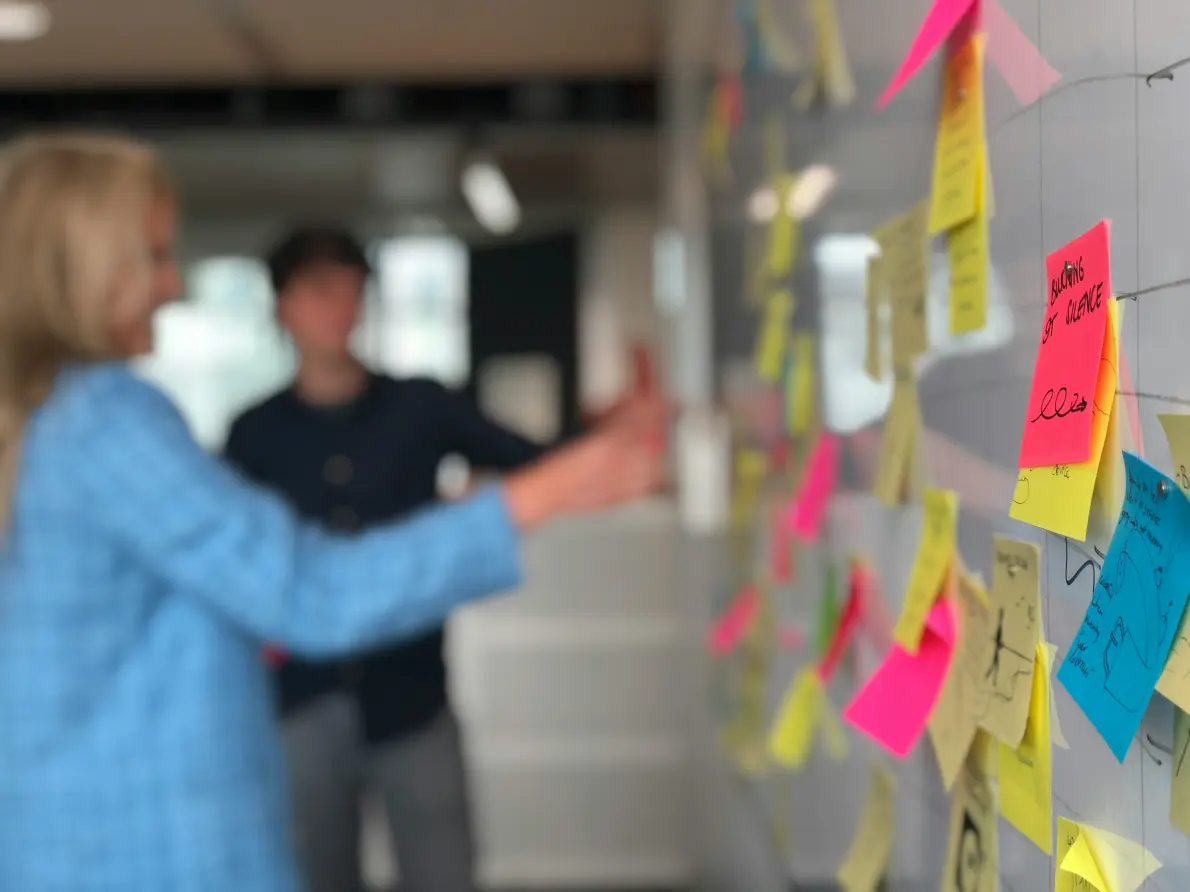
The Business Analysis and Discovery phase is documented in a separate case study. Three months of interviews, workshops and technical audits before a single line of code was written.
Three insights from the analysis phase determined our further course:
Two platforms, one database.
Only the technical audit made it visible that the intranet and the helpseeker cockpit share a common database. This fundamentally changed the scope: what had been planned as a migration became a new development. Both sides recalibrated the course together.
Local autonomy, central control.
The telephone counselling service is not a corporation with branches. It is a network of 104 independent units with their own lines and processes. At the same time, the national association needs standardized statistics and comprehensive quality assurance.
People, not users.
From tech-savvy coordinators to volunteers without technical expertise, from trainees to colleagues with visual impairments. The system must work for everyone, without training manuals and without on-site IT support.
What We Built: DAISIE
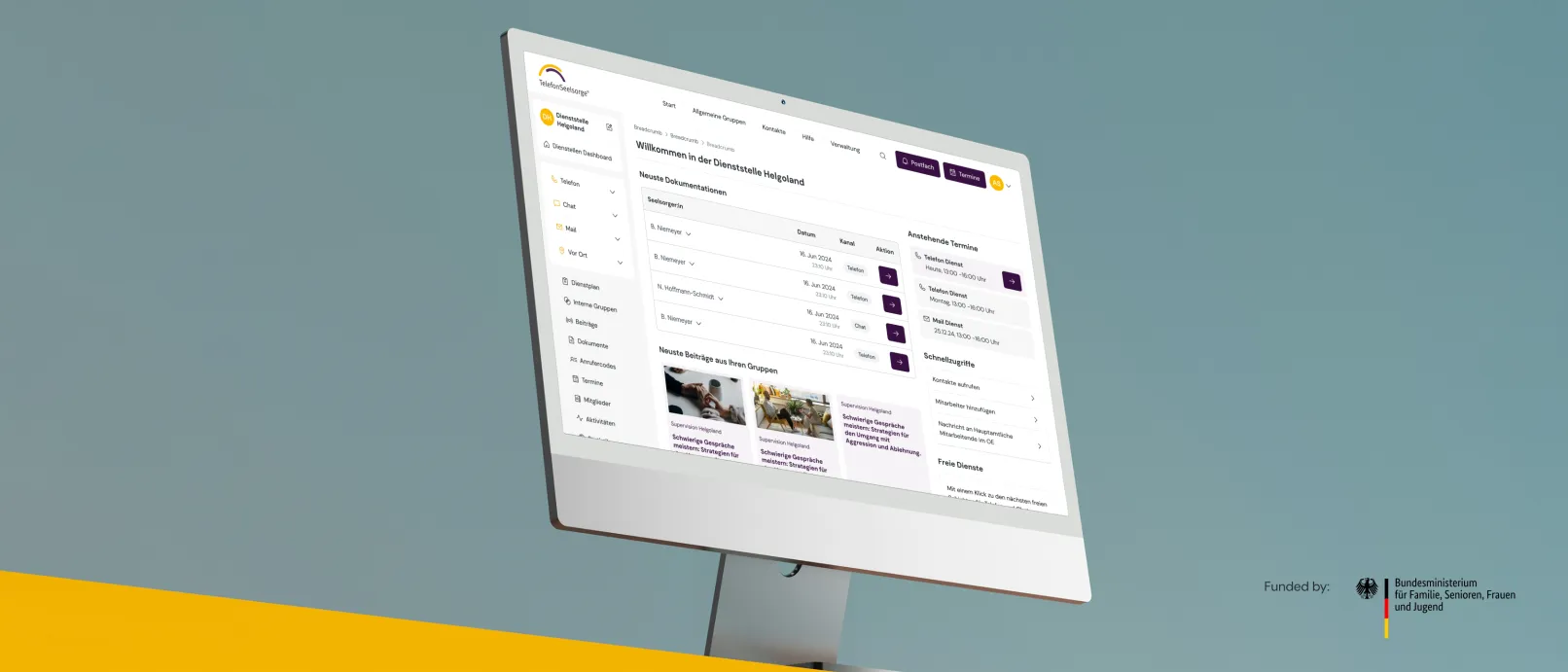
DAISIE was built from scratch on Drupal 10. Not as a website with additional features, but as a working platform that makes the organisational logic of TelefonSeelsorge the architectural principle.
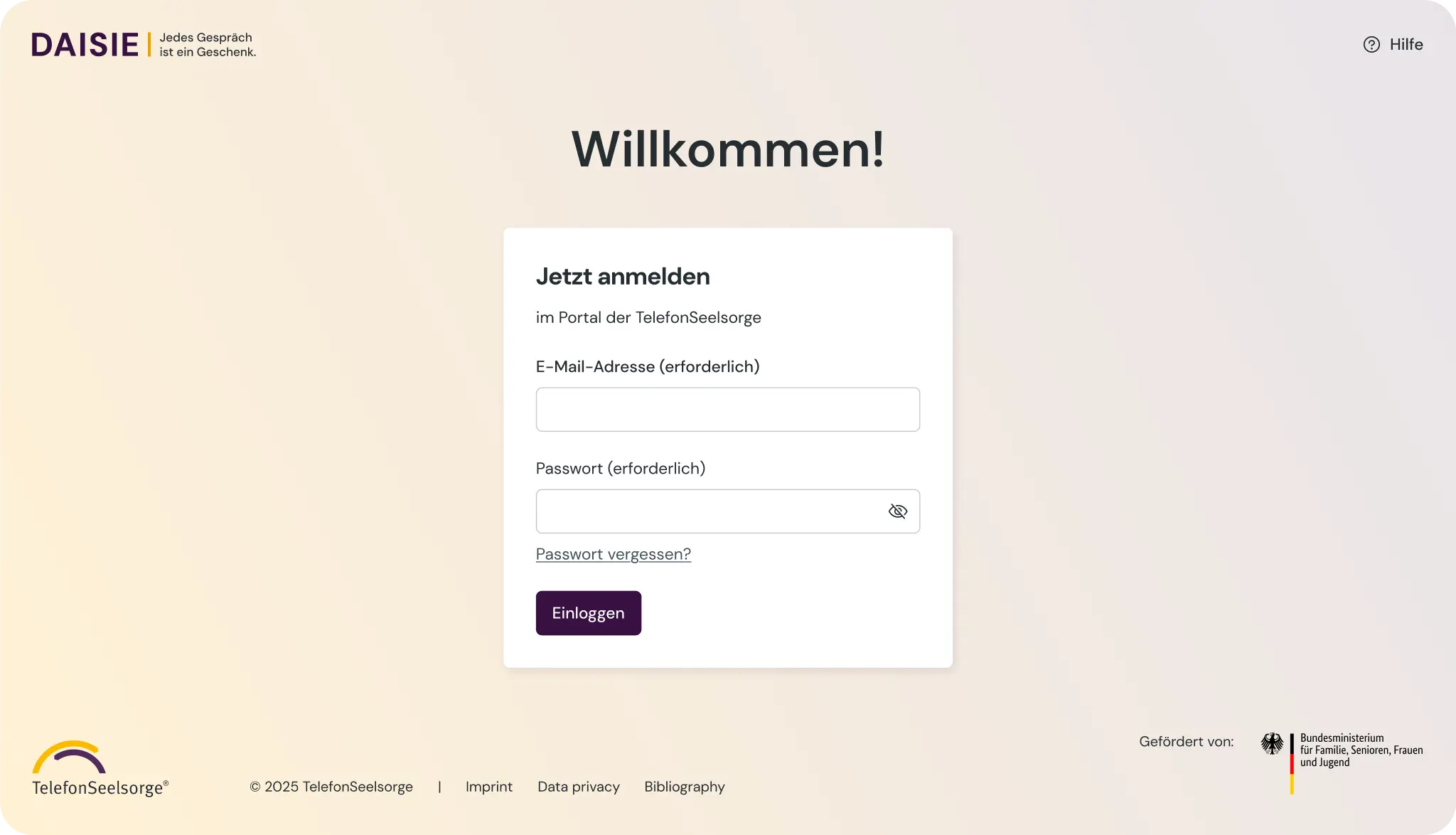
A roles and permissions system for the real structure.
Offices, organisational units, federal level. Each level has its own visibilities and responsibilities. Volunteers see their office. Leadership manages their unit. Coordinators work across units. Trainees create drafts that are approved by mentors. A system that treats decentralised organisational structures not as a special case, but as a core principle.
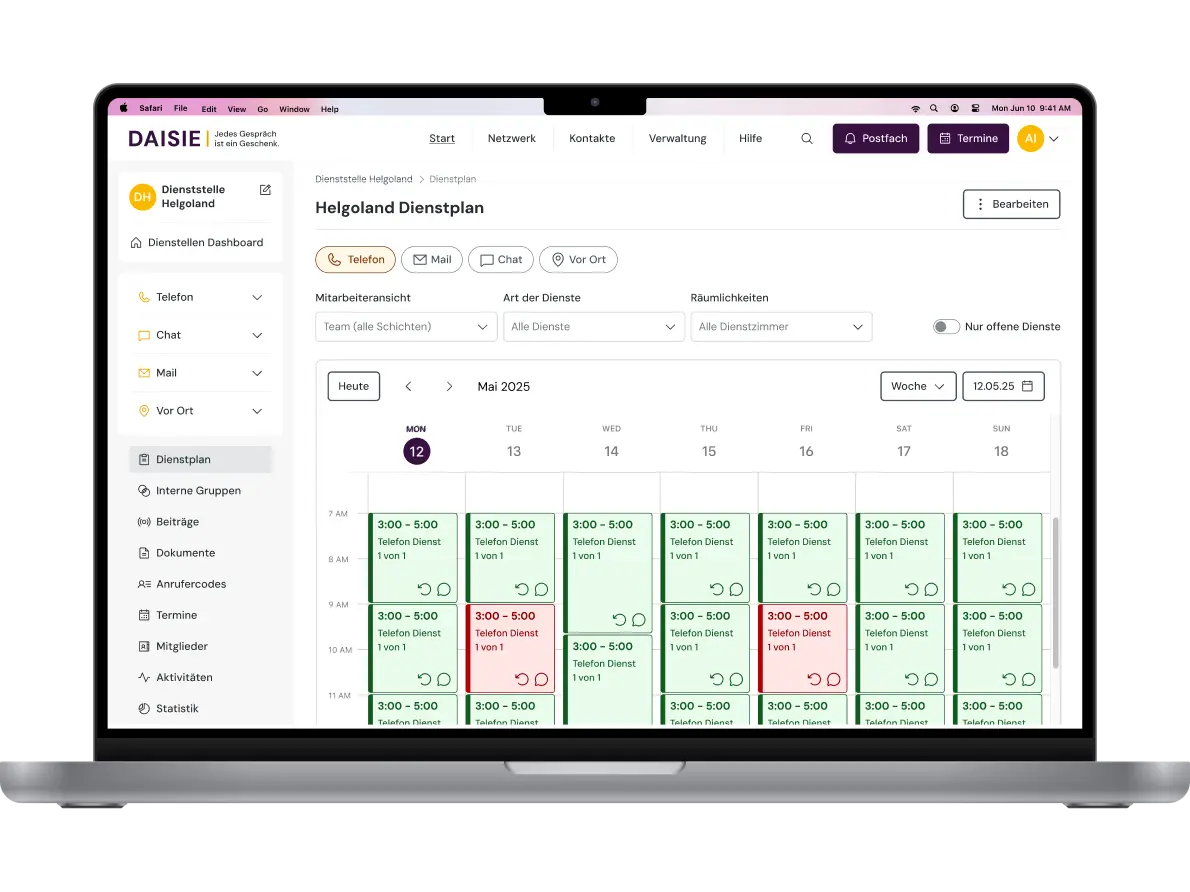
Shift planning for 24/7 operations.
Scheduling shifts months in advance, swap requests, double staffing during high volume. Different rooms with different equipment. Previously, three to four planning tools ran in parallel. DAISIE brings everything together in one solution.
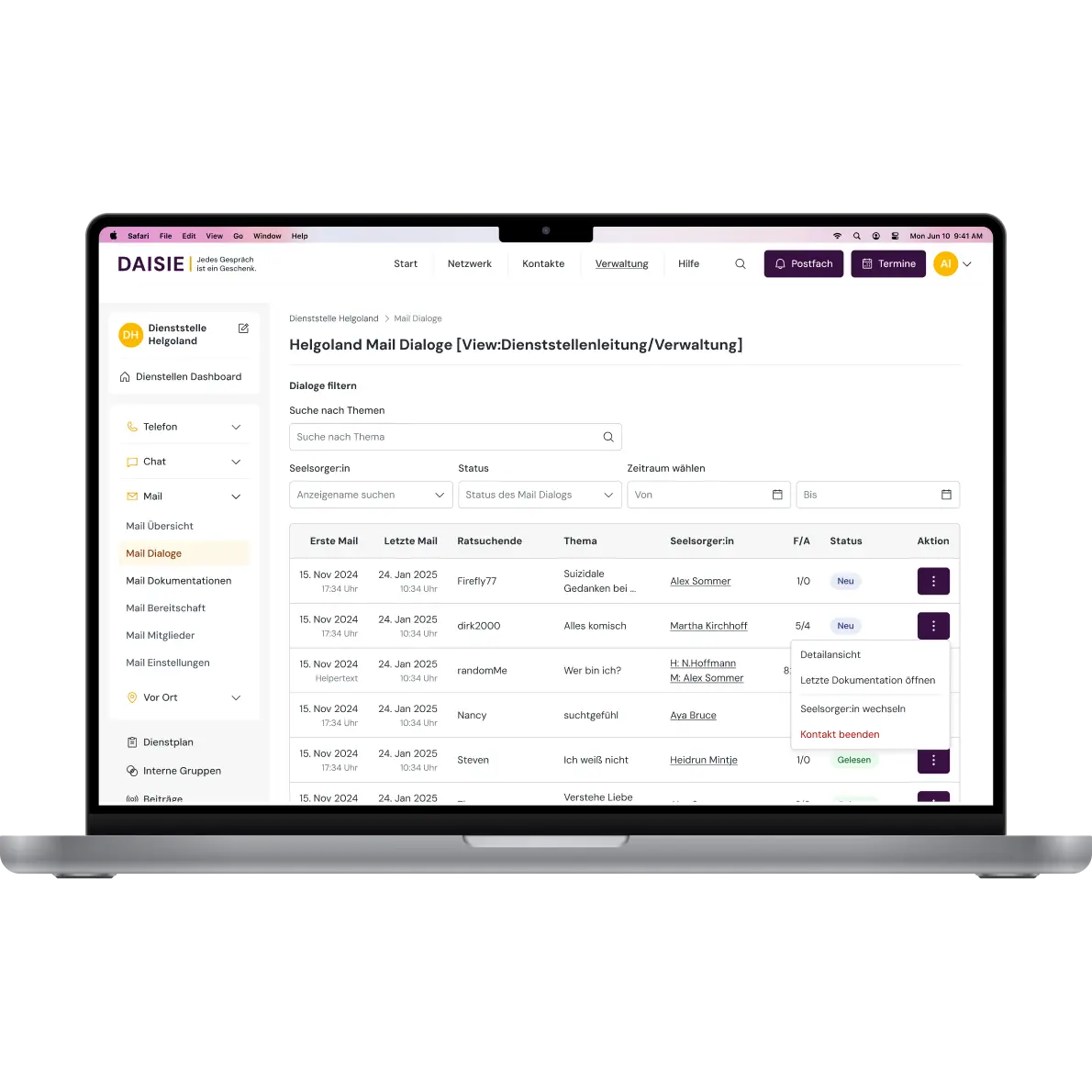
Real-time chat and email counselling.
People in crisis situations chat live with counsellors or use asynchronous email counselling. Availabilities, appointment slots, timers, documentation and multi-stage approval processes in one interface. The chat infrastructure runs via an integrated Mattermost instance.
Secure infrastructure with full data sovereignty.
Anonymous crisis counselling requires special protection. The platform runs on its own infrastructure at Kraut.Hosting, with device-based access control, GDPR-compliant data management and documented processes for official requests. File management via Nextcloud.
Statistics and reporting for the federal association.
Every consultation is documented anonymously. The data flows to the umbrella association and forms the basis for funding applications, political work and quality assurance. Collected in a standardised way, without restricting the autonomy of individual offices.
A System That Excludes No One
Accessibility was not an afterthought. It was part of the architecture and design from the very beginning.
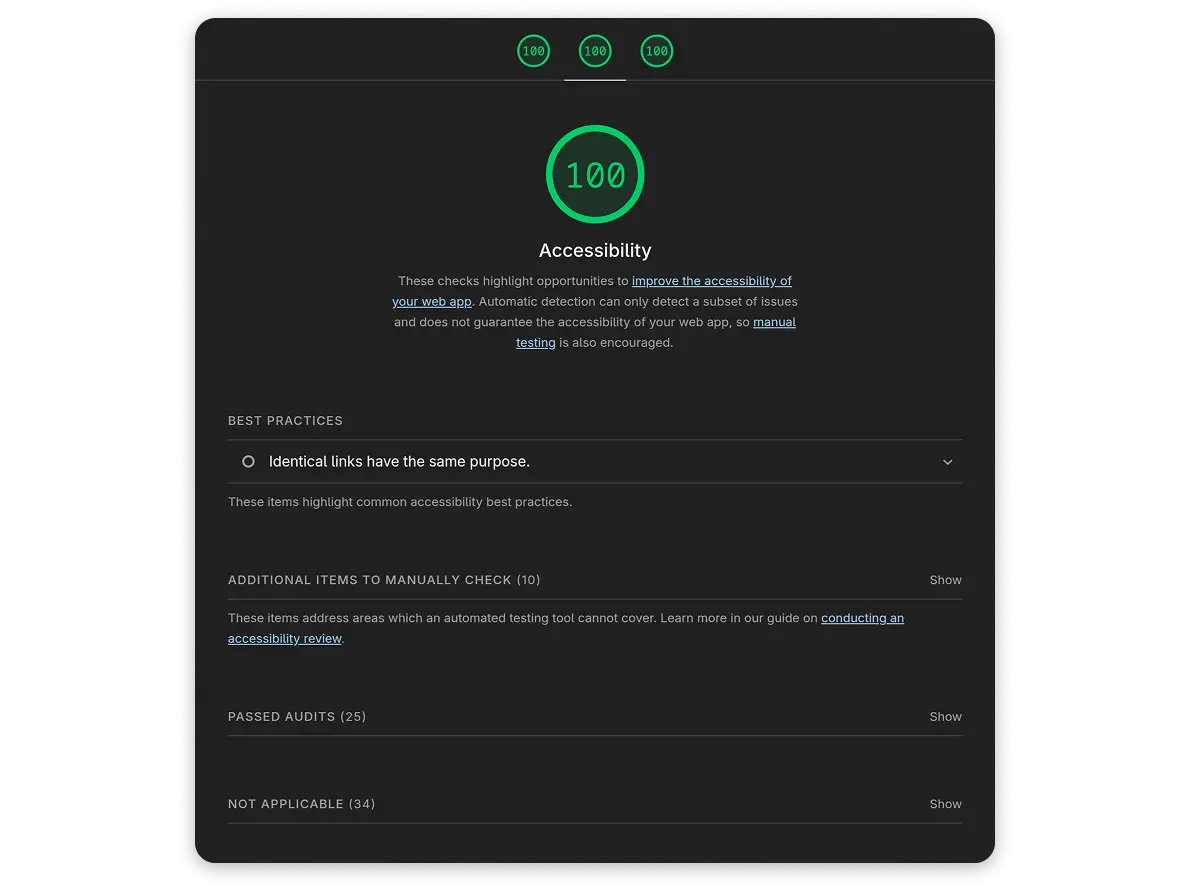
Colleagues with visual impairments or blindness work via screen reader. Older volunteers without smartphone experience find their way around intuitively. The platform is developed to WCAG AA standard. In an organisation that depends on people’s willingness to contribute, the system cannot exclude anyone.
What the project required
The discovery of the shared database changed the scope. Both sides recalibrated the course together: reprioritised, adjusted expectations, revised the roadmap.
The migration ran in parallel with ongoing operations. Counselling takes place around the clock. An interruption was not an option.
Transitioning 8,000 volunteers to a new system required patience, communication and a system that genuinely makes everyday work easier. Some offices had built their own workarounds over the years. Changing those habits takes more than a good deployment.
Bringing Decentralised Organisations Together Digitally
What We Learned from TelefonSeelsorge
Working with TelefonSeelsorge has shown us that the challenges of decentralised organisations are structurally similar. What we solved here is something we encounter again and again:
- Decentralised structures need their own architectural principle.
Standard tools assume a central headquarters. Organisations with local chapters, regional associations and a federal level need a system that enables local autonomy and central governance simultaneously.
- Volunteers and inclusive teams need radically simple, accessible systems.
When a platform requires training or excludes people with disabilities, you lose the very people who need it most.
- The patchwork of tools is the actual problem.
Not any single bad tool. But the fact that shift planning runs in Excel, communication via email distribution lists and statistics in yet another system.
- Data sovereignty is not optional.
Since July 2025, Microsoft has restricted its free nonprofit licences. Open source on own infrastructure is the sustainable alternative
The Result: A Digital Operating System
DAISIE went live on schedule in September 2025, with no downtime to the counselling channels. Today all 104 offices work on the platform. The patchwork of parallel solutions is history. Since the soft launch, the system has been further developed across more than 14 releases, steered in close collaboration with the product owners in weekly coordination meetings. The adoption rate is 100%.
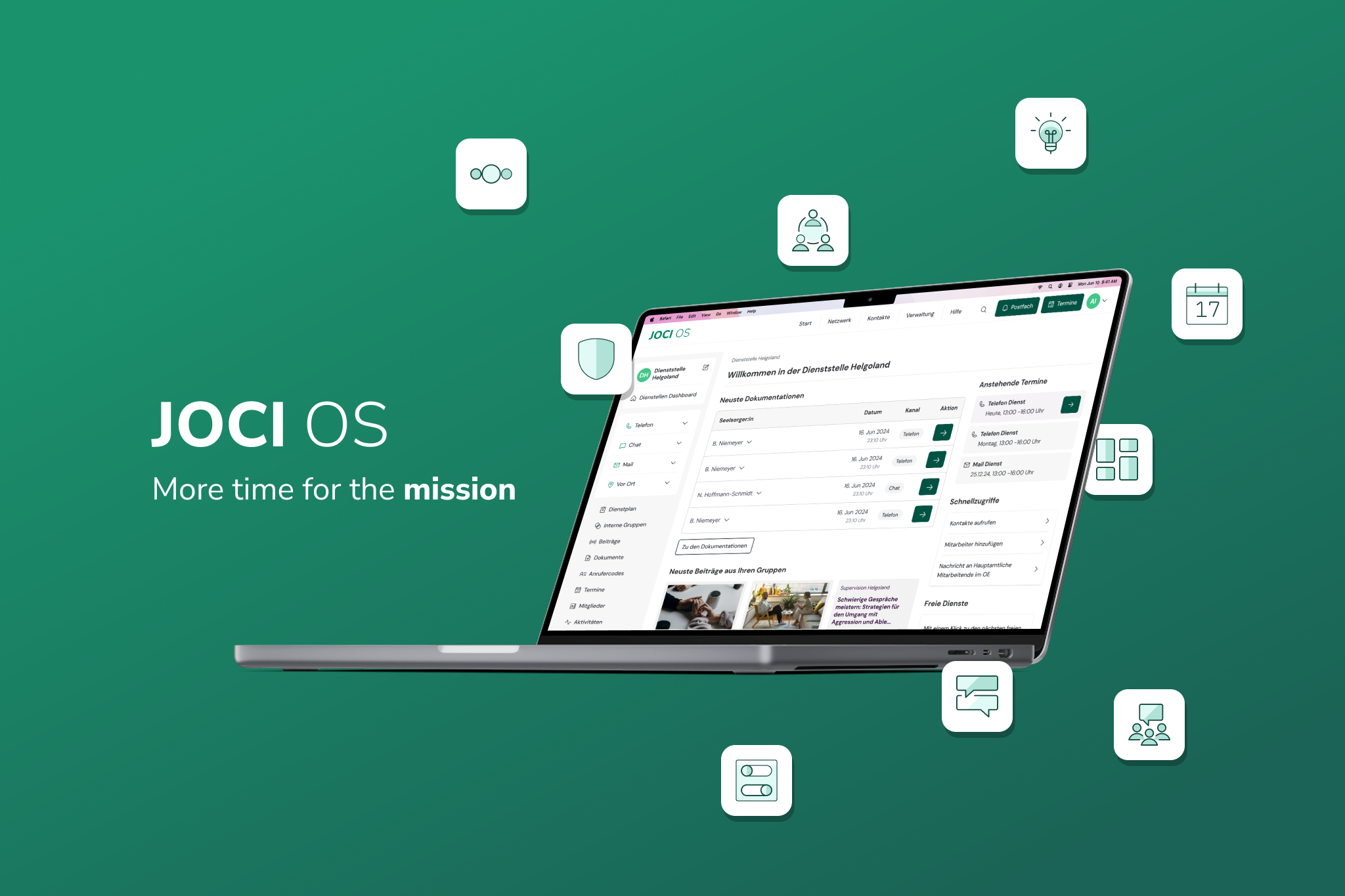
JOCI OS: Our Solution for Decentralised Organisations
For exactly these challenges we developed JOCI OS — a modular open source operating system built on the architectural decisions that proved themselves in live operations at TelefonSeelsorge. And this use case shows: the concept works — in live operations, around the clock.
Drupal as the core
Flexible, proven, open source.
Roles and permissions for multi-level structures
Local autonomy with central governance.
Integrated communication and collaboration
Messaging, file management, shift planning, documentation in one system.
Add-on modules
CRM, marketing automation, fundraising, website with donation funnel.
Full data sovereignty
Own infrastructure, GDPR-compliant.
Accessible from the ground up
WCAG AA as an architectural principle.
Are you coordinating a decentralised organisation?
In a Discovery Workshop we will show you how JOCI OS can map your structure digitally — without bending it out of shape.
Why Drupal was chosen
Drupal was chosen for its combination of an open source essence with powerful capabilities: Managing complex data structures, supporting granular, role-based permissions for thousands of users, and seamlessly integrating a wide range of third-party applications into a unified, efficient platform.
Technical Specifications
Drupal version:
Key modules/theme/distribution used:
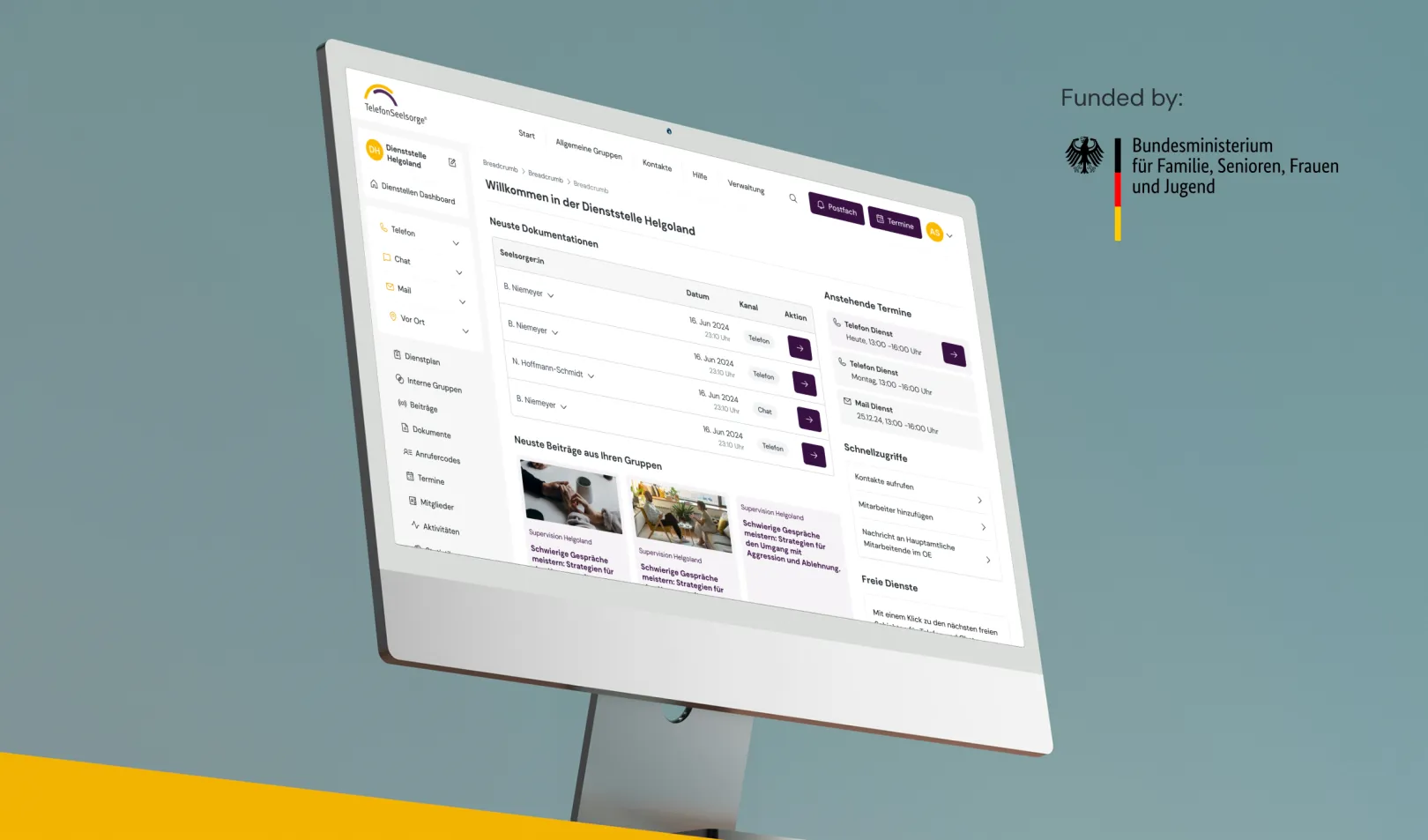
The Group module provides a core functionality for the system: User-specific and easy-to-manage permissions that enable the more than 7,500 employees and voluntary workers to focus on the accessible material and information that they need. The administration at TelefonSeelsorge can control the distribution of documents as well as the assignment to regional focus groups centrally, supporting each employee with the information for their daily work.