Sector(s)
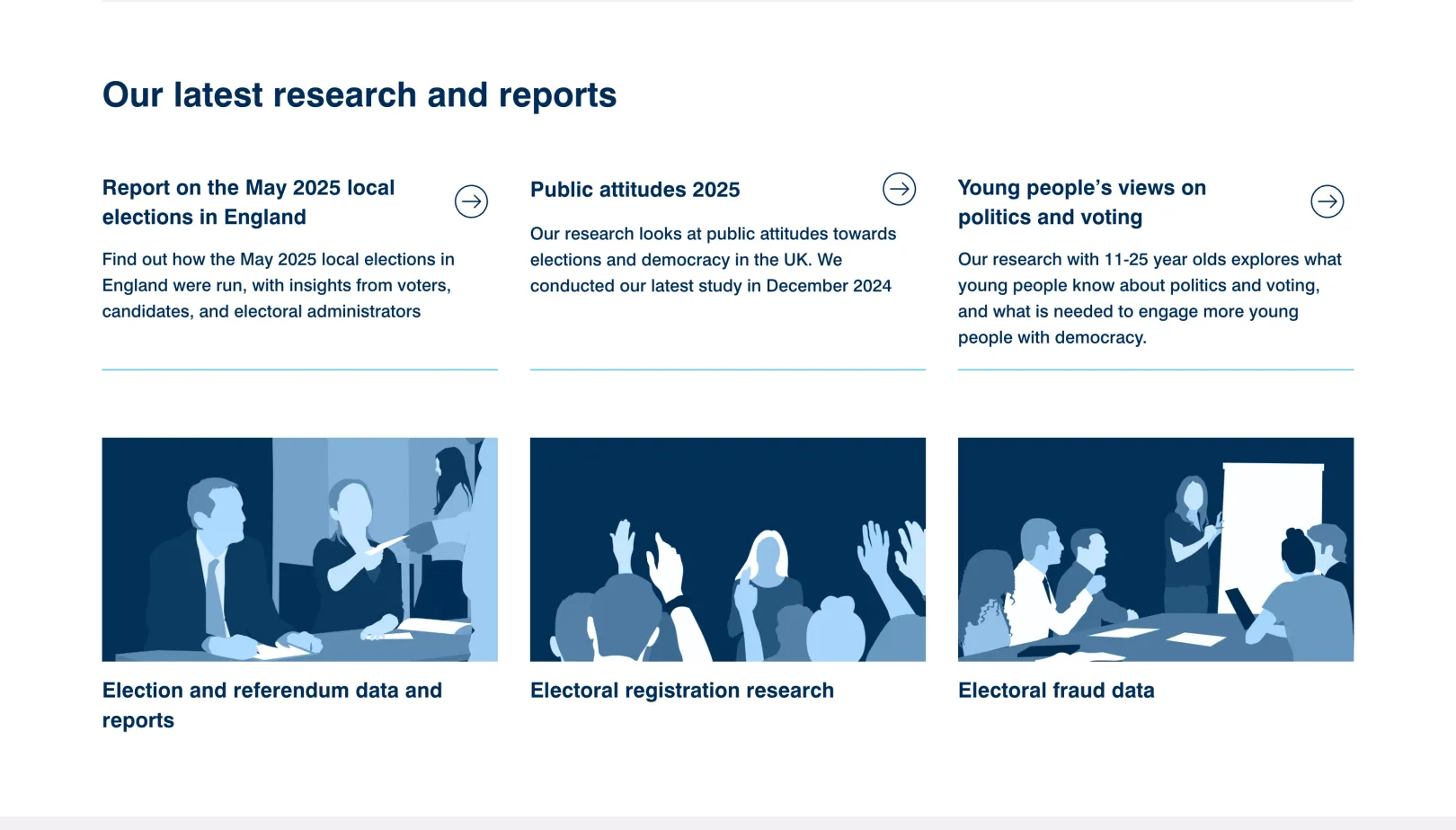
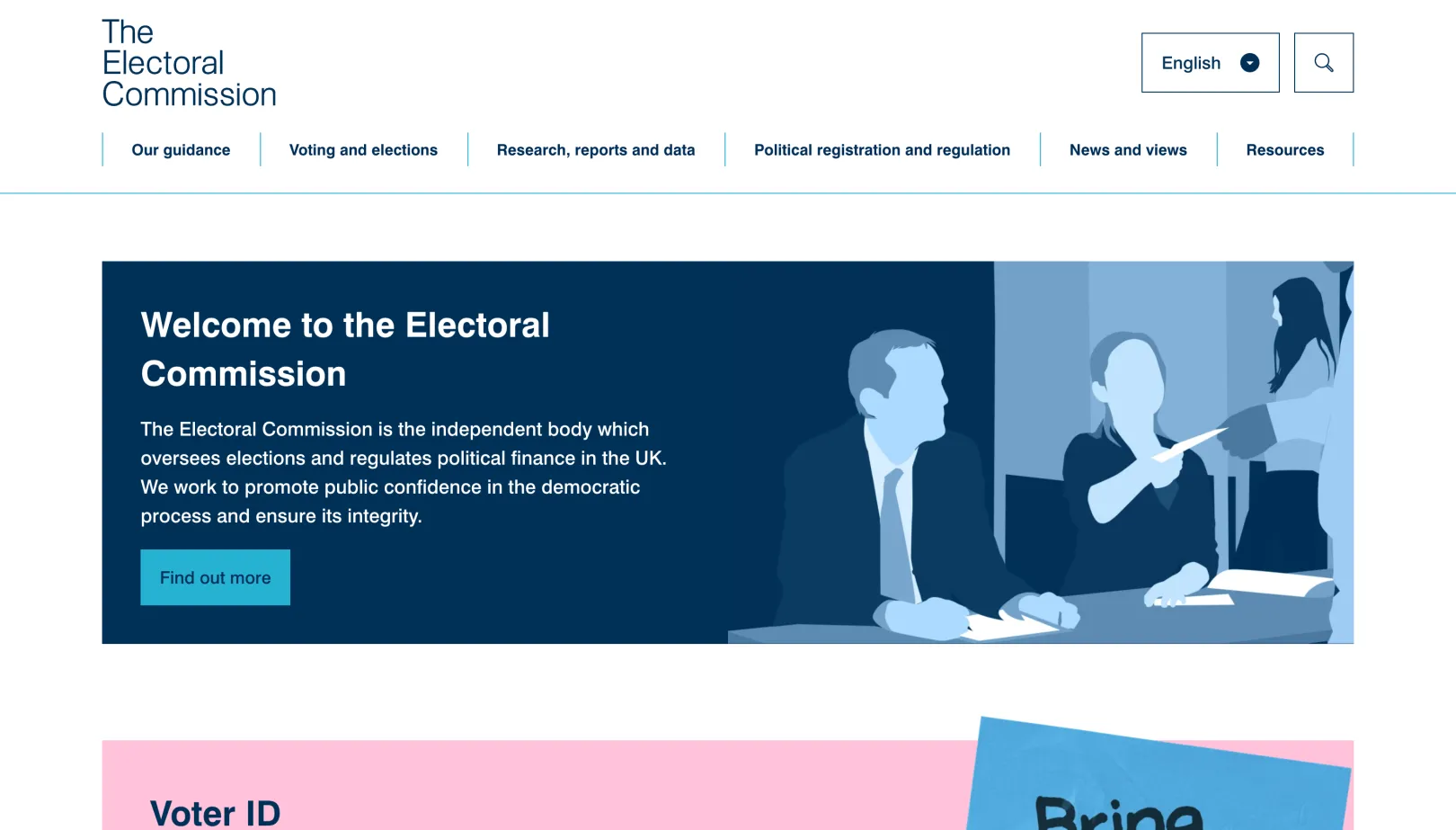
The Electoral Commission is a respected regulatory organisation responsible for maintaining the integrity of electoral processes. Facing challenges with their existing digital platform, they enlisted the assistance of Numiko for a complete overhaul of their web presence.
About the project
Context
The key impetus for this revamp was to enhance the management and publication of guidance-based content, making it more accessible and aligned with accessibility standards.
Challenge
The requirement for a new website stemmed from the pressing need to address the complexities and inefficiencies surrounding the management and publication of content. The Commission’s guidance was locked in thousands of PDF, Word and Excel documents. Their maintenance was extremely inefficient, particularly as specific information was often replicated across hundreds of documents. Because of the file formats used, making one small change could take many hours of effort, the content was not findable once published, and it did not conform to accessibility standards.
Approach
Our approach included the introduction of a system for reusing identical sections of guidance across multiple documents. This method meant that a single change would cascade across all instances where the 'guidelet' was used, reducing administrative workload substantially. We also provided functionality for creating customised instances of the guidance content where variations were required.
A flexible, configurable workflow was integrated to accommodate the commission's extensive review process, ensuring the accuracy, clarity, and conciseness of the guidance is maintained. We also designed a solution to temporarily accommodate a mix of web-based and document-based content during the transition from PDF, Word and Excel files.
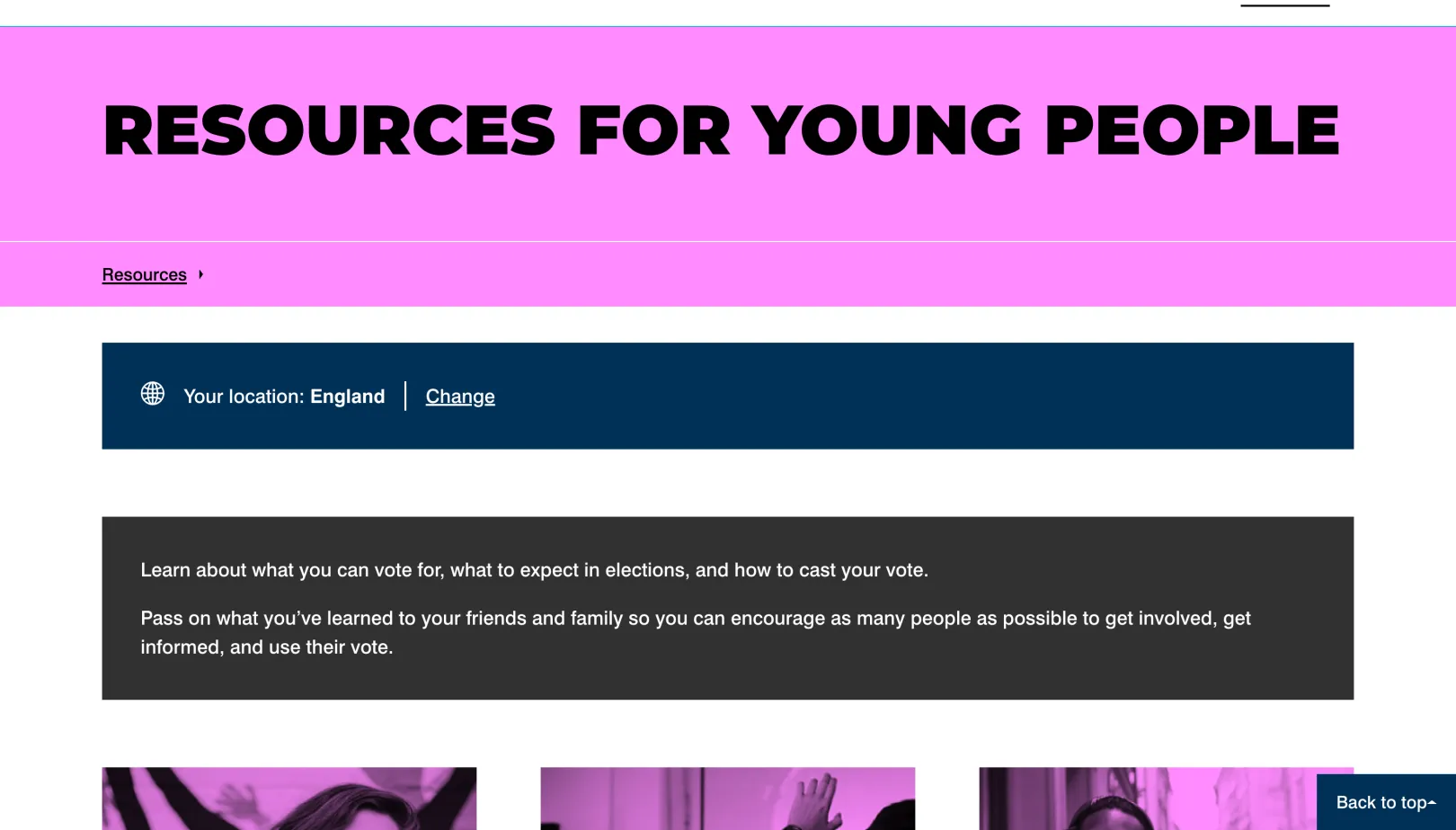
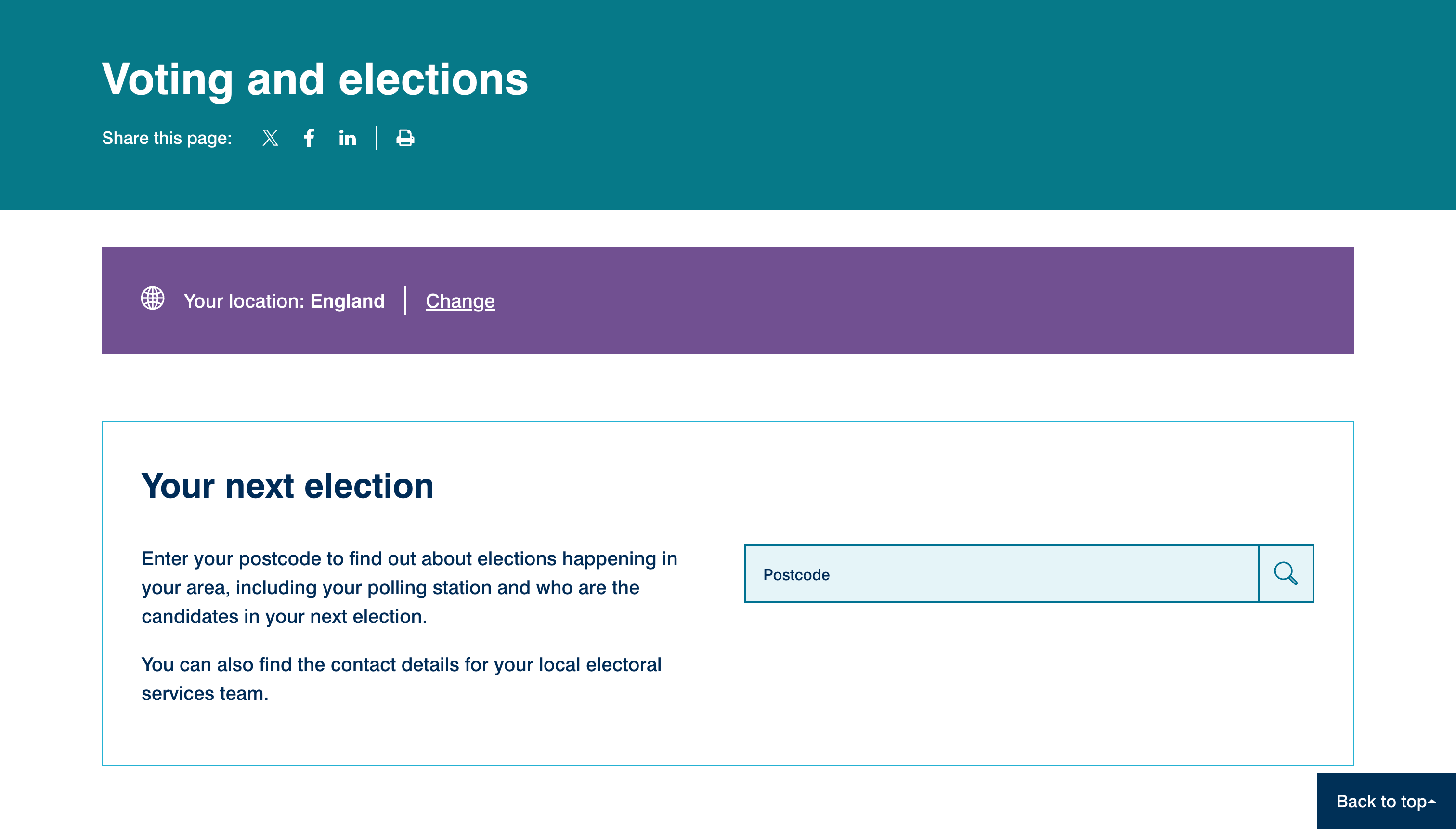
A significant component of the project was user research. We used online surveys, card-sorting exercises, and user testing to shape the new information architecture and to determine the positioning of voter information. Extensive accessibility testing ensured the new website is compliant with WCAG 'AA' standards.
We worked closely with the Electoral Commission to create a platform that not only enhances the user experience but also facilitates better content management and collaboration for the commission's internal teams, improving operational efficiencies as part of the broader digital transformation.
Resilience During Elections
The Electoral Commission’s website needs to be able to handle drastic traffic increases around elections and be able to withstand sophisticated cyber-attacks which are common during these critical periods.
On election day (July 4th 2024) traffic jumped by 943% compared to the previous week, with the site receiving 2.5 million page views from 1.1 million unique users in a single day.
At the same time, in a ten-minute period between 8:50am to 9am, 3.5 million homepage requests originating in Indonesia were registered. The first in a series of coordinated cyber-attacks. At 9:30am the site received a second DDoS attack from a botnet in Pakistan, and at 13:53 a coordinated attack from multiple countries simultaneously tried again to knock out the site.
The systems we’d put in place allowed the site to continue effectively serving users, whilst filtering out bots and blocking cyber-attacks. Tools like Cloudflare allowed us to quickly ban IPs and user agents to block potential attacks in real time.
Despite a huge surge in traffic and the best efforts of multiple coordinated cyber-attacks from a range of potential actors interested in disrupting the UK’s elections, the Electoral Commission’s website kept operating with zero downtime, demonstrating the effectiveness of our approach.
Results
Page views increase by 101%, demonstrating a very significant increase in the number of users accessing the website. Pages by session increased by 46%, showing substantially increased user engagement.
Why Drupal was chosen
We selected Drupal for this project because it gives The Electoral Commission's web team genuine control over the website without locking them into rigid templates or requiring constant developer support. Its modular approach means editors can build and adapt pages using flexible building blocks, responding to new needs as they arise while keeping the site's design consistent. The modern editing experience — with intuitive tools like CKEditor 5 and the clean Gin admin interface — makes content management straightforward, even for non-technical users. Drupal's granular permission controls allow precise management of who can do what across the team, which is essential for organisations with complex governance needs. Security is robust, backed by a community of over 118,000 active developers who continuously work on access control, encryption, and protection against attacks. And because Drupal scales effortlessly to handle millions of visitors and tens of thousands of pages, this project's website can grow with the organisation — without the hefty licensing fees of enterprise alternatives.
Technical Specifications
Drupal version: