Sector(s)
Project Team
JAVALI — strategic consulting, architecture, UX/UI design, development and implementation.
Ivinum, Unipessoal Lda. — project owner.
Visit the site
Visit the siteOrganizations Involved
Community contributions
During development, the JAVALI team identified and reported improvement opportunities related to subscription and payment modules.
The project offers an example of how Drupal can support structured regulatory information publishing and third-party integrations in an industry-specific digital platform.
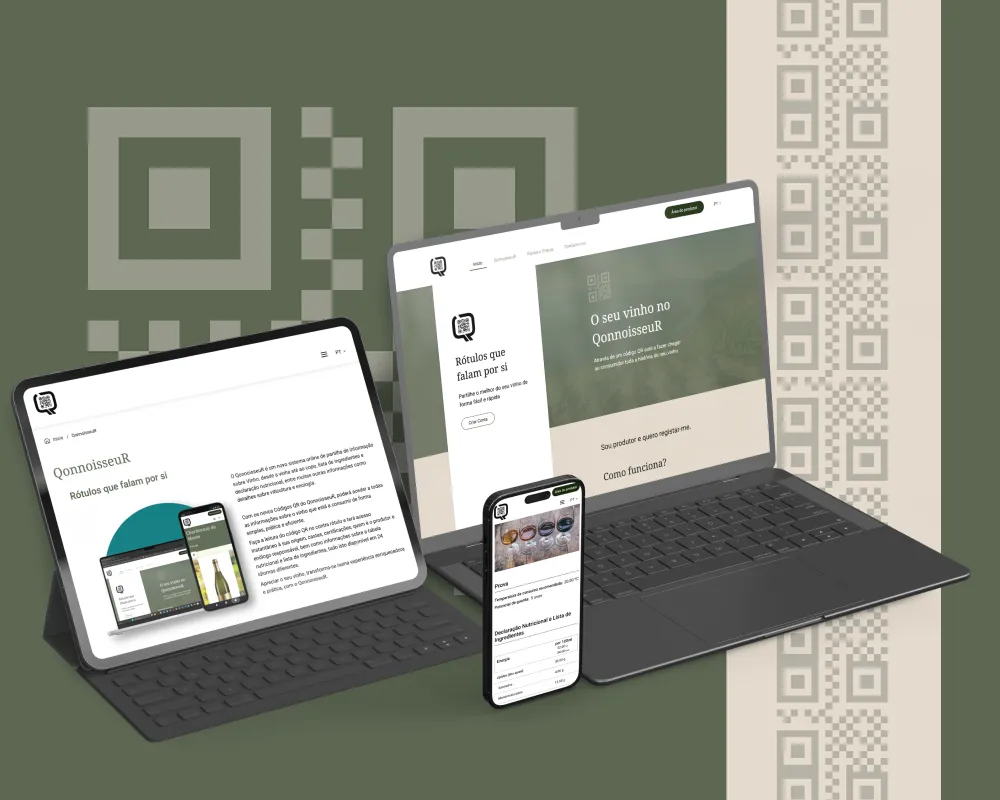
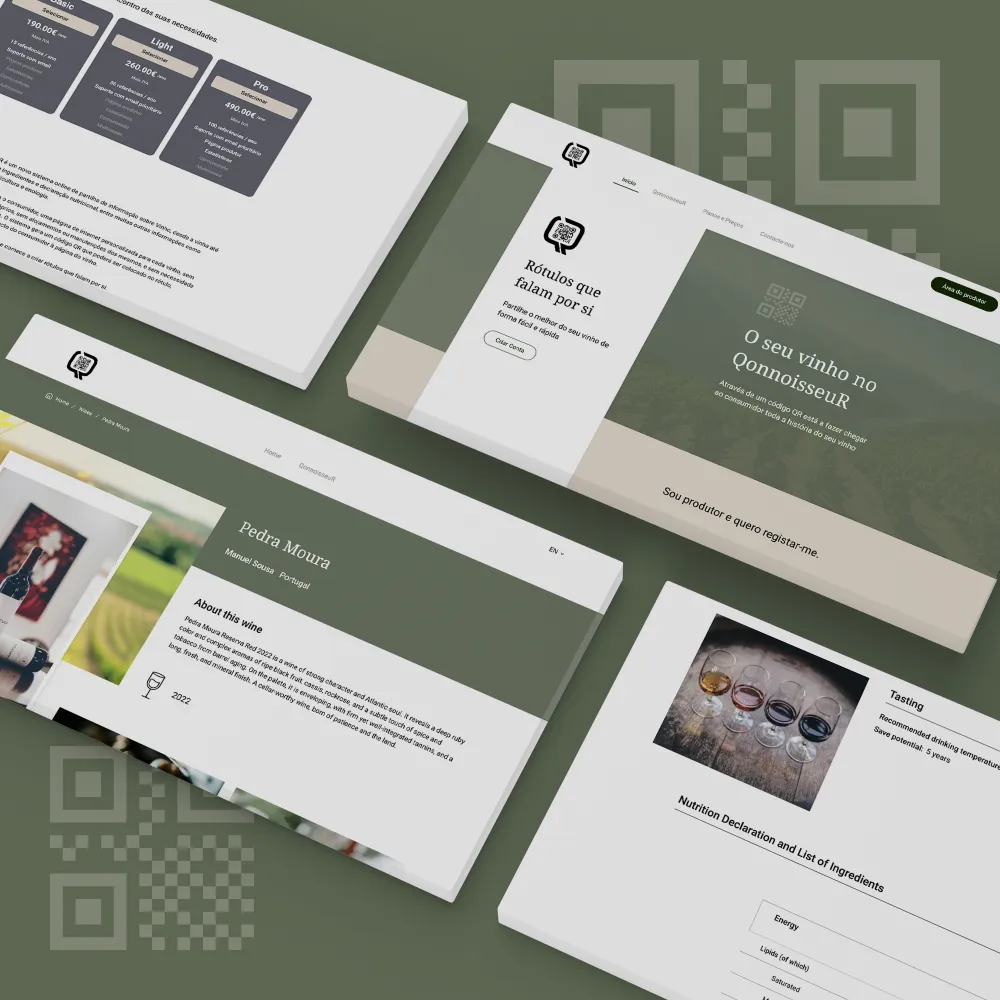
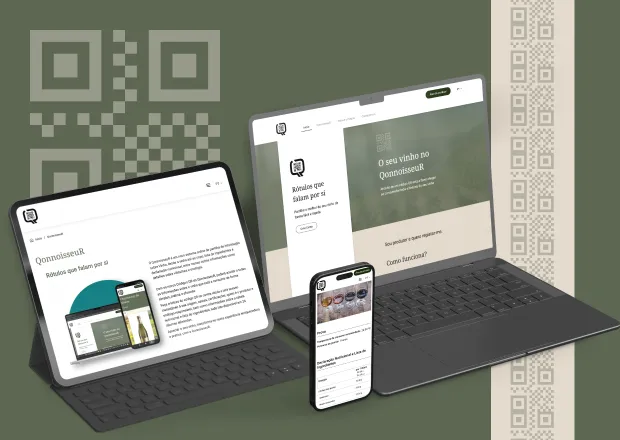
In 2024, JAVALI developed the first phase of QonnoisseuR, a Drupal-based platform created for Ivinum to help wine producers manage and publish digital product information in the context of European wine labelling requirements.
The implementation combined structured content management, QR code-based public pages, multilingual publishing, subscription management, and online payments in a unified platform. The platform remains operational.
About the project
The Challenge
New European wine labelling requirements increased the need for accessible digital product information. Producers needed an approachable way to create and maintain wine references without relying on technical specialists for day-to-day content updates.
The solution had to provide individual public pages for each wine, support content in multiple languages, and integrate subscriptions and payments. Usability and maintainable content structures were central project requirements.
Technical Implementation
Wine references are managed through simplified forms and published as dedicated public pages that can be accessed through individual QR codes. The platform supports publication in the 24 official languages of the European Union.
A SIBS integration supports annual subscription payments and differentiated feature plans. The administrative interface was designed for users with limited technical expertise, with Webform, Views, and CKEditor 5 used as part of the content-management implementation.
Pathauto, Metatag, Redirect, and XML Sitemap provide SEO-related functionality. A custom Drupal theme supports the platform’s visual identity and public-facing experience.
The platform includes simple page access counts. These should not be confused with visitor-tracking analytics; the digital labelling pages do not display advertising or provide analytics functionality.
Project Outcomes
The first phase delivered an operational Drupal platform with structured wine reference management, QR code-linked public pages, multilingual publishing, subscription functionality, and payment integration.
Rather than claiming market adoption figures, this case study focuses on the technical solution delivered and the architectural decisions behind it. The system remains operational without subsequent functional extensions.
Why Drupal was chosen
Drupal 10 was selected for its flexible content modelling, permission management, and modular ecosystem. These capabilities supported the separation of wine reference data, public-facing pages, editorial workflows, and subscription-related functionality.
The project combined contributed modules with tailored development and a custom theme, avoiding a standalone application for each business requirement.
Technical Specifications
Drupal version:
Key modules/theme/distribution used: