Sector(s)
Project Team
This project was delivered by a multidisciplinary ALTIA team combining Drupal development, architecture, infrastructure, integration, security and project management capabilities.
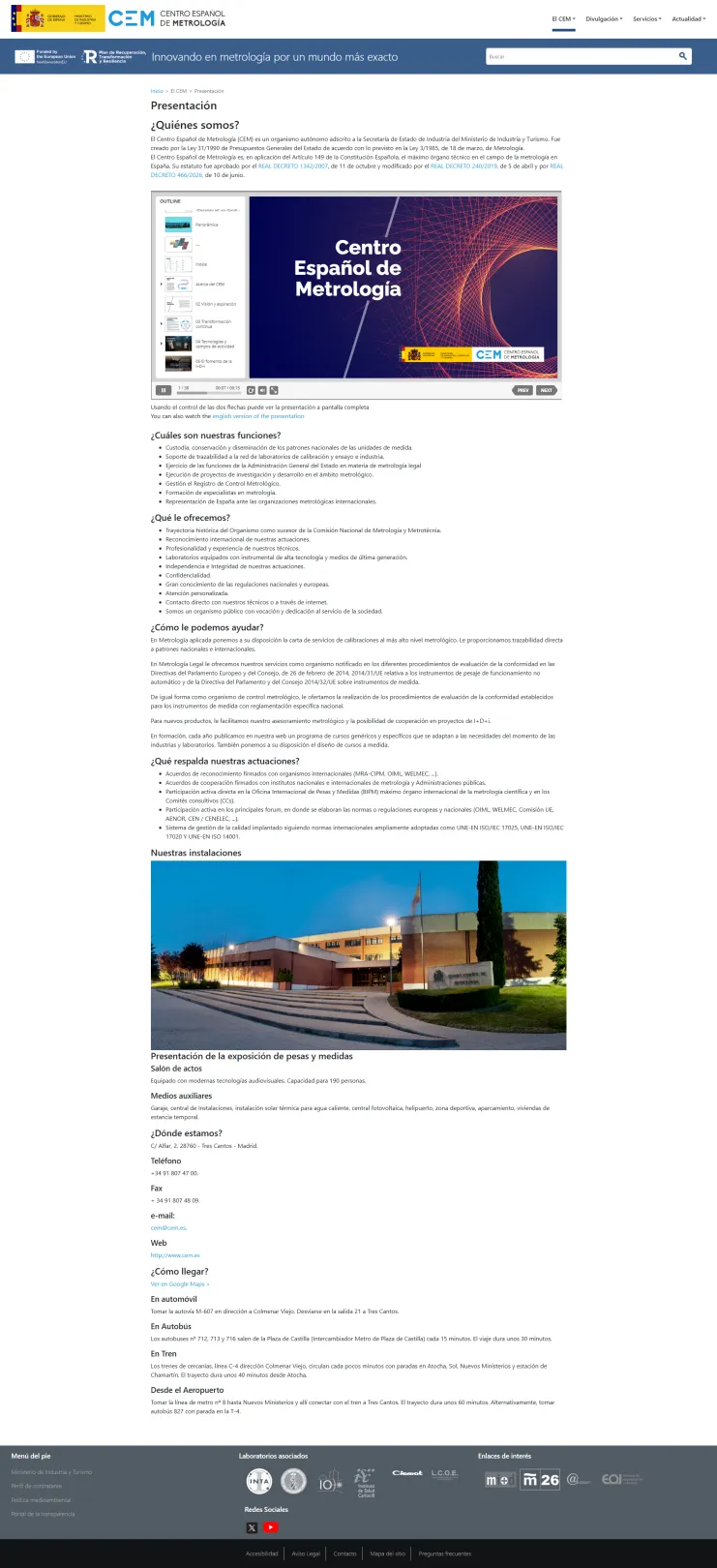
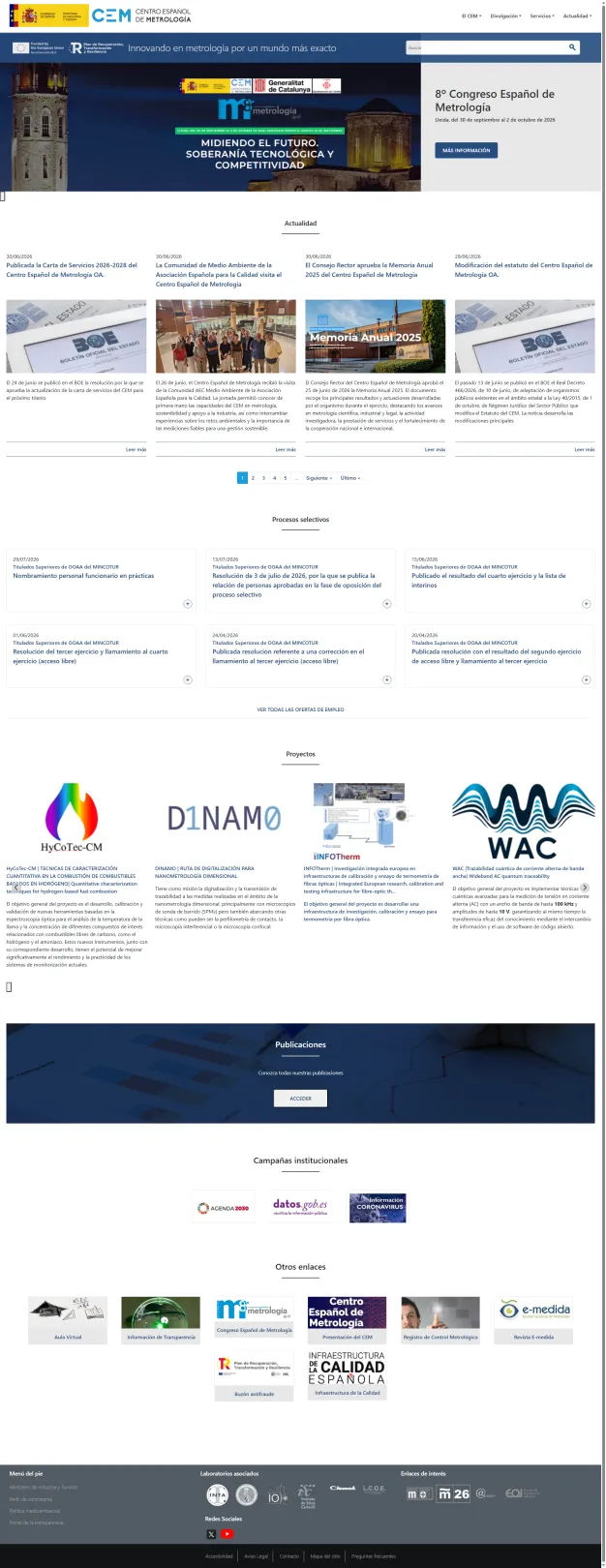
The Centro Español de Metrología (CEM) is the Spanish organization responsible for the development, maintenance and dissemination of metrology in Spain.
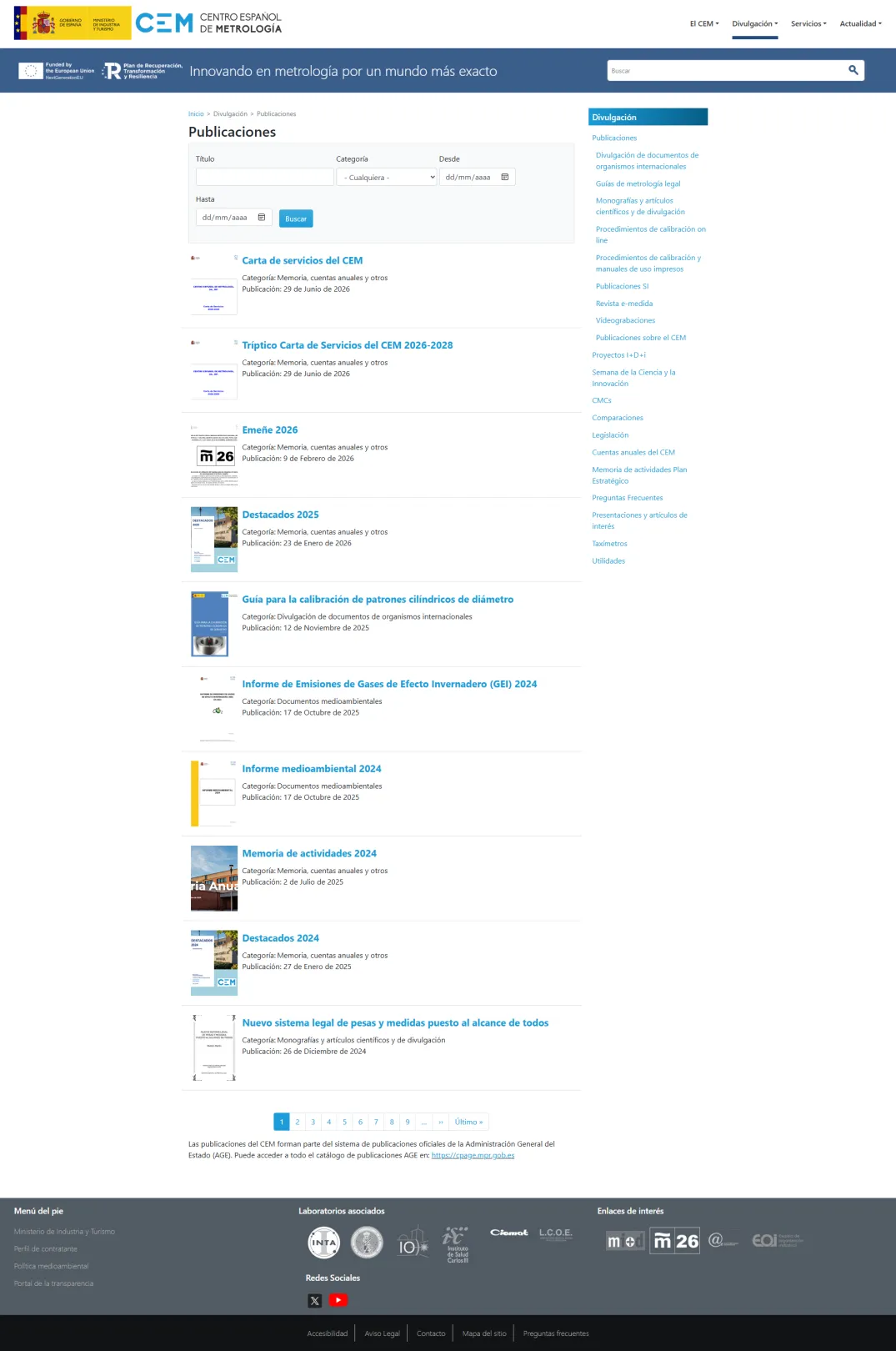
Its institutional portal (https://www.cem.es) is one of its main digital channels, providing institutional information, regulations, technical publications, research projects, employment opportunities, news and electronic services to citizens, companies and other public administrations.
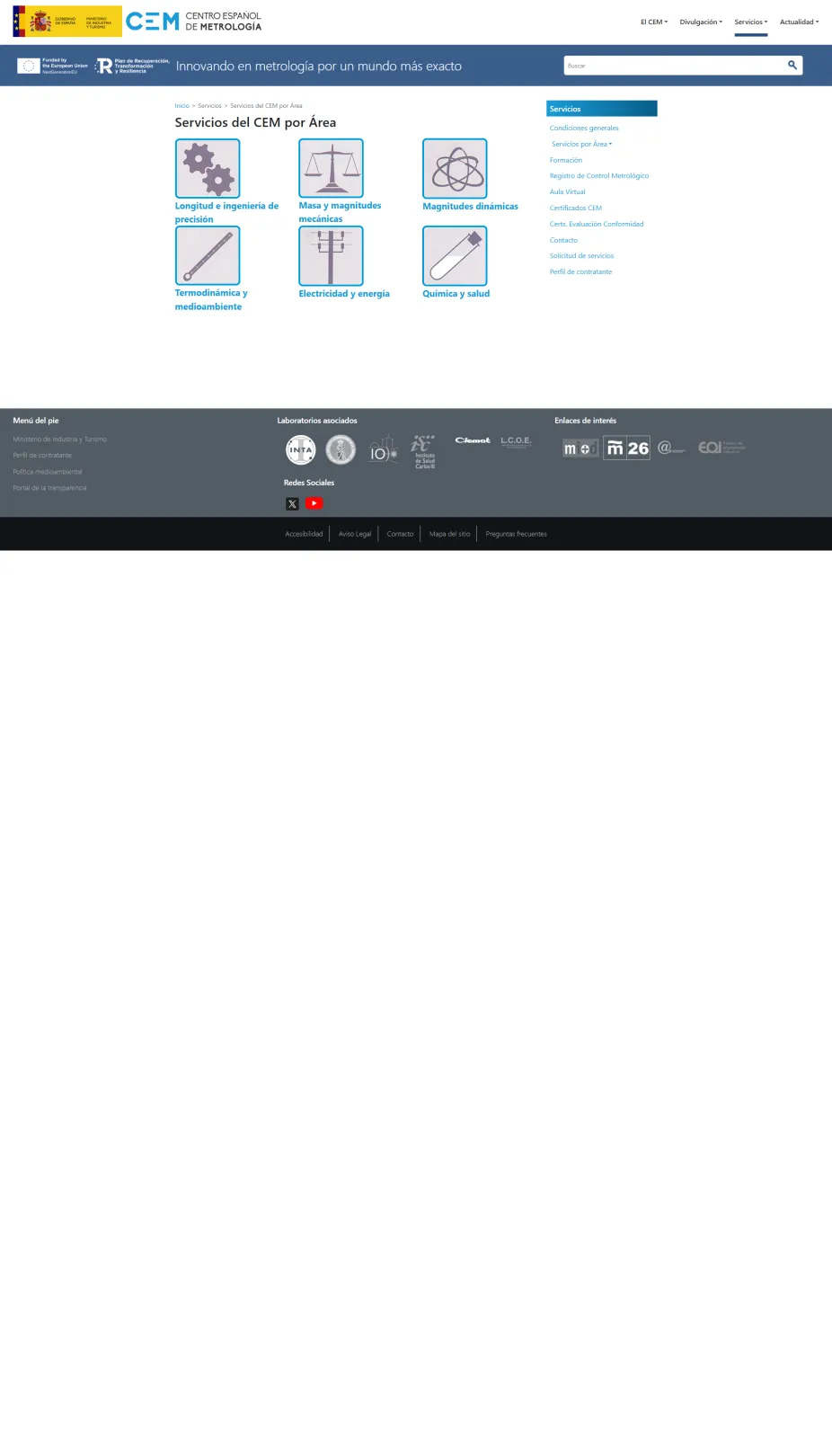
The portal also provides access to other CEM platforms and enables organizations to request specialized metrology services, including calibrations, audits, testing, certifications, comparisons, training courses and technical reports.
ALTIA carried out the modernization of the platform, upgrading it from Drupal 9 to Drupal 10 and preparing the solution for future adoption of Drupal 11.
The project was designed around a key requirement: modernize the technology without interrupting the operation of the existing production portal.
About the project
The modernization project focused on updating the CEM's Drupal platform while maintaining the availability and functionality of the existing institutional portal.
Project goals
- Technology modernization: Upgrade the platform from Drupal 9 to Drupal 10 and prepare it for future Drupal 11 adoption.
- Business continuity: Execute the modernization without interrupting the production portal or the electronic services provided to users.
- Technical debt reduction: Replace unsupported or obsolete modules and modernize the underlying technology stack.
- Custom development adaptation: Review and adapt nine modules specifically developed for the CEM.
- Security improvement: Remove unsupported components and strengthen the overall security of the platform.
- Maintainability: Adopt a modern Drupal maintenance model based on Composer, Drush and Config Split.
- Future evolution: Establish a stable technological foundation that facilitates future functional and technical enhancements.
Project challenges
The project involved several challenges associated with modernizing an active institutional platform.
Continuity of service
The CEM portal had to remain fully operational throughout the project. The modernization was therefore developed in a parallel environment, allowing the existing production platform to continue providing its services while the new version was progressively validated.
Complex Drupal ecosystem
The upgrade required a complete review of the Drupal ecosystem, including the core version, Composer dependencies, contributed modules and custom functionality.
Nine modules specifically developed for the CEM had to be reviewed and adapted to the new Drupal version, while unsupported modules had to be identified and replaced.
Corporate integrations
The platform integrates with several corporate systems that had to remain operational after the modernization.
The LDAP integration synchronizes users from the CEM Active Directory with Drupal, while WECO and GESLAB support the management of commercial and technical requests for metrology services.
Large and structured content repository
The portal contains more than 5,000 content items, organized through 19 content types and more than 20 taxonomy vocabularies.
The modernization had to preserve this information architecture while maintaining the bilingual Spanish-English publishing model.
Solution
ALTIA implemented a modern Drupal architecture based on open and widely adopted technologies.
The platform runs on Linux using Nginx, PHP-FPM and MariaDB, with Composer, Drush and Config Split providing the foundation for dependency management, administration and environment configuration.
The frontend uses a customized theme based on Bootstrap Barrio, Bootstrap, Twig and SASS.
The platform also incorporates nine custom Drupal modules developed specifically for CEM requirements.
High-availability architecture
The portal runs on an architecture designed to provide high availability, with:
- Two active web servers.
- A load balancer.
- High-availability architecture.
This configuration allows the service to remain operational even if one of the web nodes becomes unavailable.
Editorial management
The portal is managed by a distributed editorial team including approximately six administrators and editors, three commercial users and one superadministrator.
The solution supports bilingual content management and uses Drupal capabilities and contributed modules including:
- Paragraphs.
- Media Library.
- Webform.
- Search API.
- CKEditor Media Embed.
Security
Security was a key consideration throughout the modernization.
The platform incorporates Antibot, CAPTCHA and Honeypot to protect forms and services against automated submissions and unwanted access.
The upgrade also removes unsupported components and establishes a technology stack compatible with currently supported Drupal versions.
Electronic services
One of the most important capabilities of the portal is its electronic service request system.
Organizations can request specialized CEM services including calibrations, audits, testing, certifications, comparisons, certified reference materials, training courses, technical reports, metrological verifications and type examinations.
This makes the portal more than an institutional information website: it is also a digital service platform connecting organizations with the CEM's specialist metrology services.
Deployment and operational model
The project follows a risk-controlled deployment strategy.
Deployments are automated using Ansible, while separation of duties prevents the development team from having direct access to production servers.
Before each deployment, the portal undergoes functional validation covering content, custom developments and corporate integrations.
Results
The modernization establishes a technological foundation designed to support the future evolution of the CEM portal. The expected benefits include:
- Improved platform security.
- Reduced technical debt.
- Compatibility with Drupal 11.
- Simplified maintenance through Composer.
- Greater operational stability.
- Improved experience for editorial teams.
- Reduction of incidents associated with obsolete components.
- Easier incorporation of new functionality.
- A platform prepared for future technological evolution.
Why Drupal was chosen
Drupal was retained as the technology platform because it provides the flexibility, security and content management capabilities required by a complex institutional portal operated by a public administration organization.
Its structured content model allows the CEM to manage more than 5,000 content items across 19 content types and more than 20 taxonomies, while supporting both Spanish and English content.
Drupal also provides a mature ecosystem for integrating corporate systems, implementing customized functionality and managing electronic services. This was particularly important for maintaining the integrations with the CEM's Active Directory, WECO and GESLAB systems.
The Drupal ecosystem also enabled the project to adopt a modern maintenance model based on Composer, Drush and Config Split, simplifying future upgrades and reducing technical debt.
By upgrading to Drupal 10 and removing unsupported components, the platform is now prepared for future evolution towards Drupal 11.
Technical Specifications
Drupal version:
Key modules/theme/distribution used:
- Paragraphs: Provides flexible structured content composition for the institutional portal.
- Media: Supports centralized management of the portal's multimedia content.
- Webform: Provides the foundation for electronic forms and service request workflows.
- Search API: Supports the portal's internal search capabilities and structured content discovery.
- CKEditor Media Embed: Improves the editorial experience when incorporating multimedia content.
- Antibot: Protects forms and public-facing functionality against automated submissions.
- CAPTCHA: Provides an additional mechanism for preventing unwanted automated interactions.
- Honeypot: Provides lightweight protection against automated form submissions while maintaining a simple user experience.