Sector(s)
Introduction & About the Client
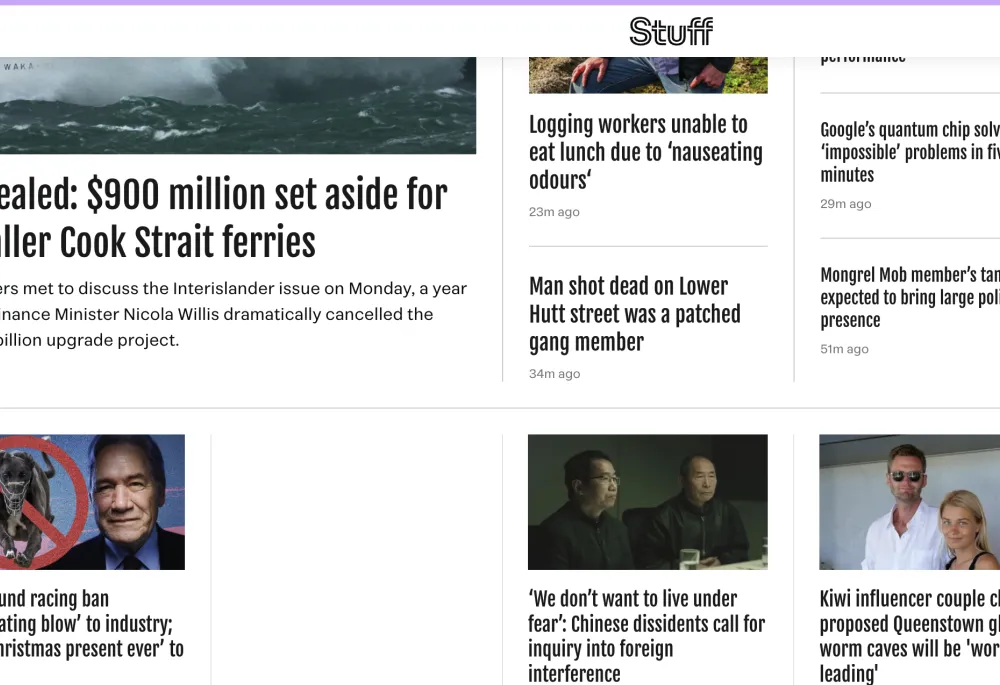
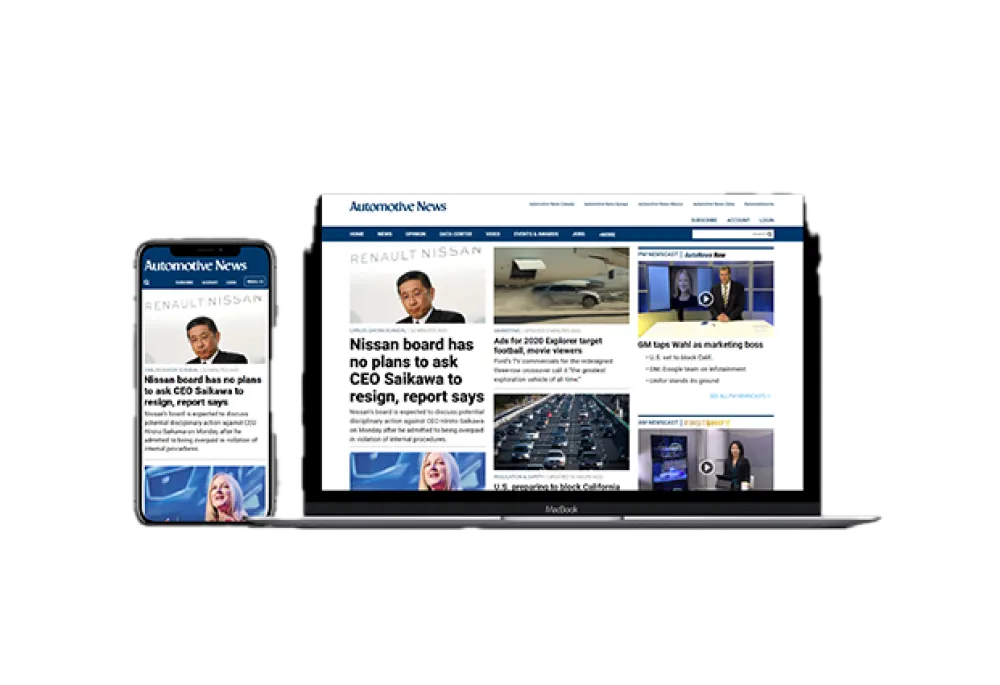
Our client, one of the largest privately owned media companies, owns more than 50 business, trade and consumer brands across North America, Europe and Asia, reaching an audience of more than 6 million business leaders. But with 20+ media brands each running on its own platform, the company faced growing challenges around governance, maintenance and scalability, making it difficult to manage operations efficiently across its global portfolio.
The company launched a major digital initiative to reduce digital sprawl, unify its brands, strengthen consistency and lower operational costs. It needed a shared publishing platform that could support distinct brand stories and deliver a rich customer experience. It also needed to give editors greater control over website management. To bring that vision to life, it turned to Material.
About the project
The client wanted to
- Consolidate its media brands onto a unified, scalable and configurable publishing platform to reduce operational complexity and costs.
- Give business teams the flexibility to tell distinct brand stories within a common digital environment.
- Deliver a richer customer experience across brand websites.
- Simplify content management through an easier-to-use backend that would give editors more control and reduce reliance on IT teams.
Our Solution
Material built a unified Drupal publishing platform for the client’s media portfolio.
To deliver this, Material:
- Built a Drupal multisite platform on Acquia Lightning, supported by a custom core profile with reusable brand functionality.
- Rolled out more than 20 brand sites and migrated over 1 million stories onto the platform.
- Developed reusable migration plugins within the core profile, allowing multiple brand migrations to run in parallel.
- Introduced a component-based development model, supported by Pattern Lab global style guides, to improve consistency and speed up site and page creation.
- Simplified editorial workflows with a reusable library of layouts and components, giving editors more control and reducing reliance on developers.
- Established the platform on Acquia’s enterprise cloud infrastructure and used BLT to streamline testing, development and deployment across the multisite environment.
- Optimized images with GD2 and moved media storage to Amazon S3, improving performance and reducing storage cost.
- Continued to modernize the platform through later upgrades to Drupal 9 and Drupal 10.
Outcome
Key project outcomes include:
- A reusable core platform built in seven months, with the first four brand sites launched within six weeks of each other.
- 50% reduction in development time compared with building sites independently.
- Up to 50% faster publishing, enabled by reusable components, centralized templates and a simpler editorial experience.
- Greater editorial autonomy, with teams able to create pages and layouts.
- Lower development costs through platform consolidation and shared infrastructure.
- A stronger return on investment as more brands were onboarded onto the platform.
The platform also gave the client a scalable and consistent operating model across its media portfolio. It simplified governance, improved editorial efficiency and created a stronger foundation for future platform growth and upgrades.
Why Drupal was chosen
The client needed a centralized publishing platform to manage multiple media brands.
Drupal stood out for a few key reasons:
- Reusable Content Components: Drupal’s flexible framework supported a component-based approach, allowing brands to build and manage content in a modular, reusable way.
- Multisite Architecture: Drupal’s multisite capabilities made it well suited to managing multiple brand websites under a centralized governance model, helping reduce long-term operational complexity and cost.
- Future-Ready Foundation: Choosing Drupal early created a path for smooth upgrades to newer versions, supporting long-term security and performance without the need for costly replatforming.
- Editorial Ease of Use: Drupal’s user-friendly backend made it easier for editors to update content independently, reducing reliance on technical teams and speeding up publishing.
- Proven Enterprise Fit: With a strong track record in media and large-scale digital transformations, Drupal met the strategic and technical expectations of the client’s CIO.