Visit the site
Visit the siteOrganizations Involved
Community contributions
A real-world proof-of-concept for the Drupal community: this project shows Drupal CMS, Recipes, and Site Templates delivering WordPress-level speed and cost, without giving up Drupal's structured, component-based backend.
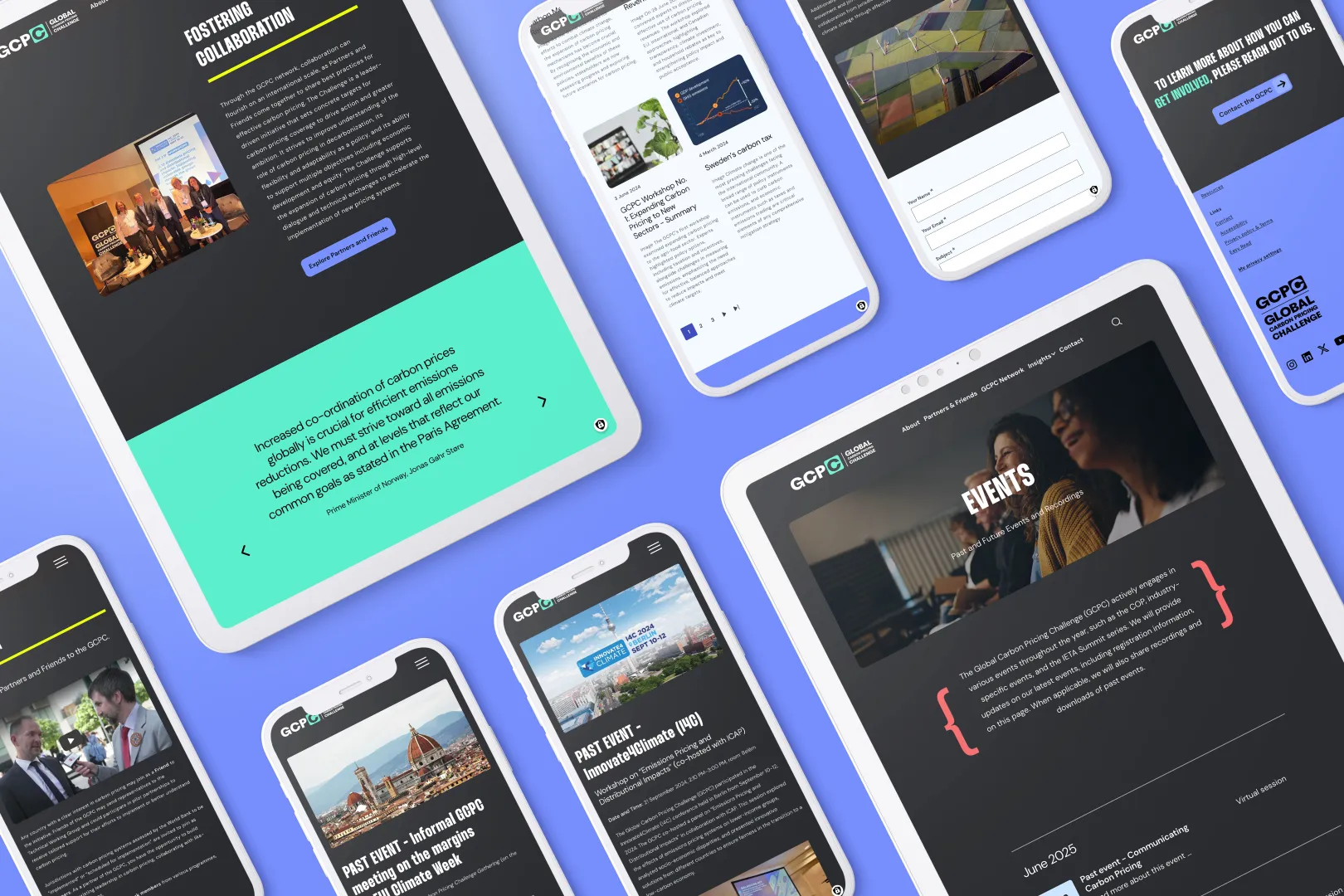
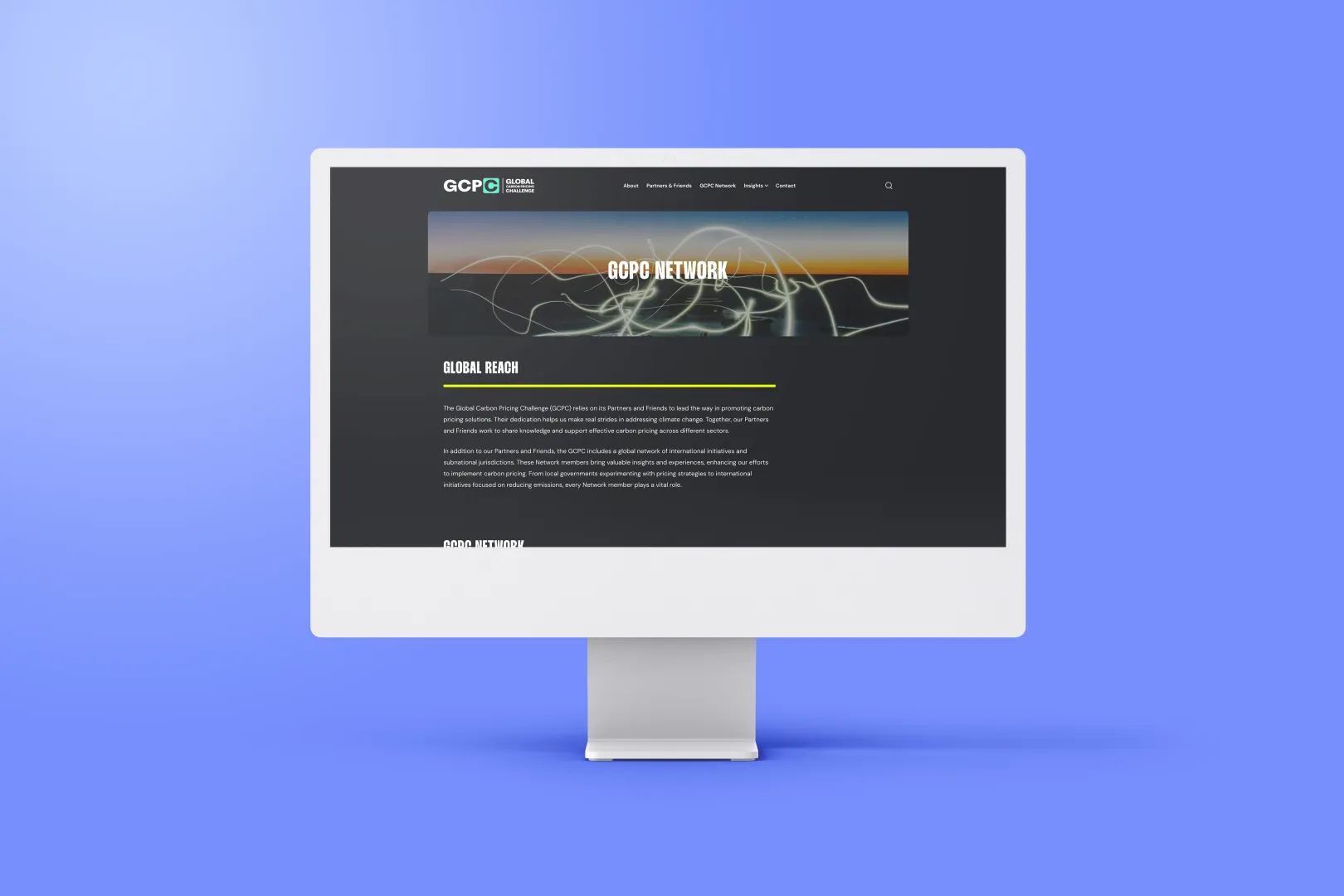
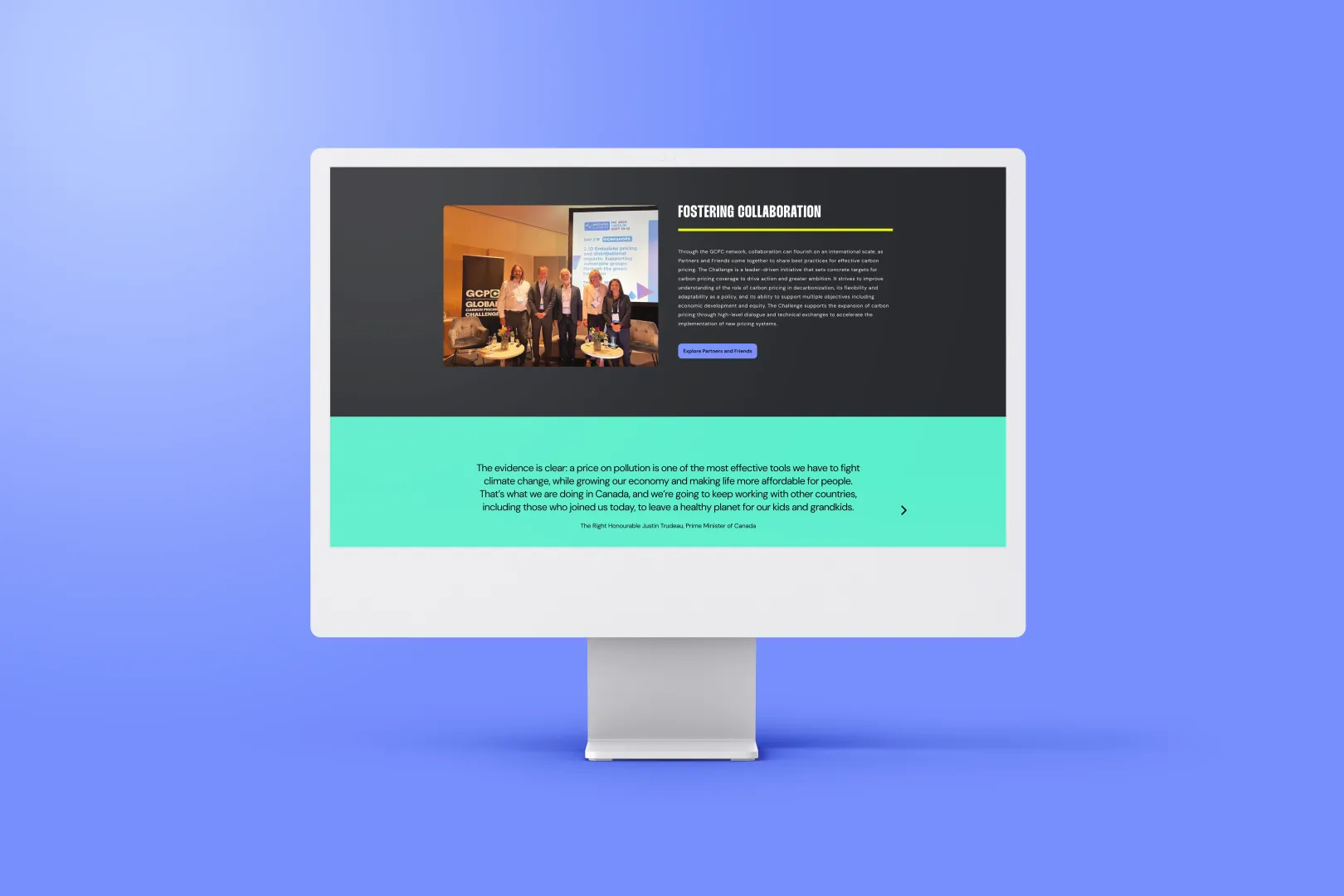
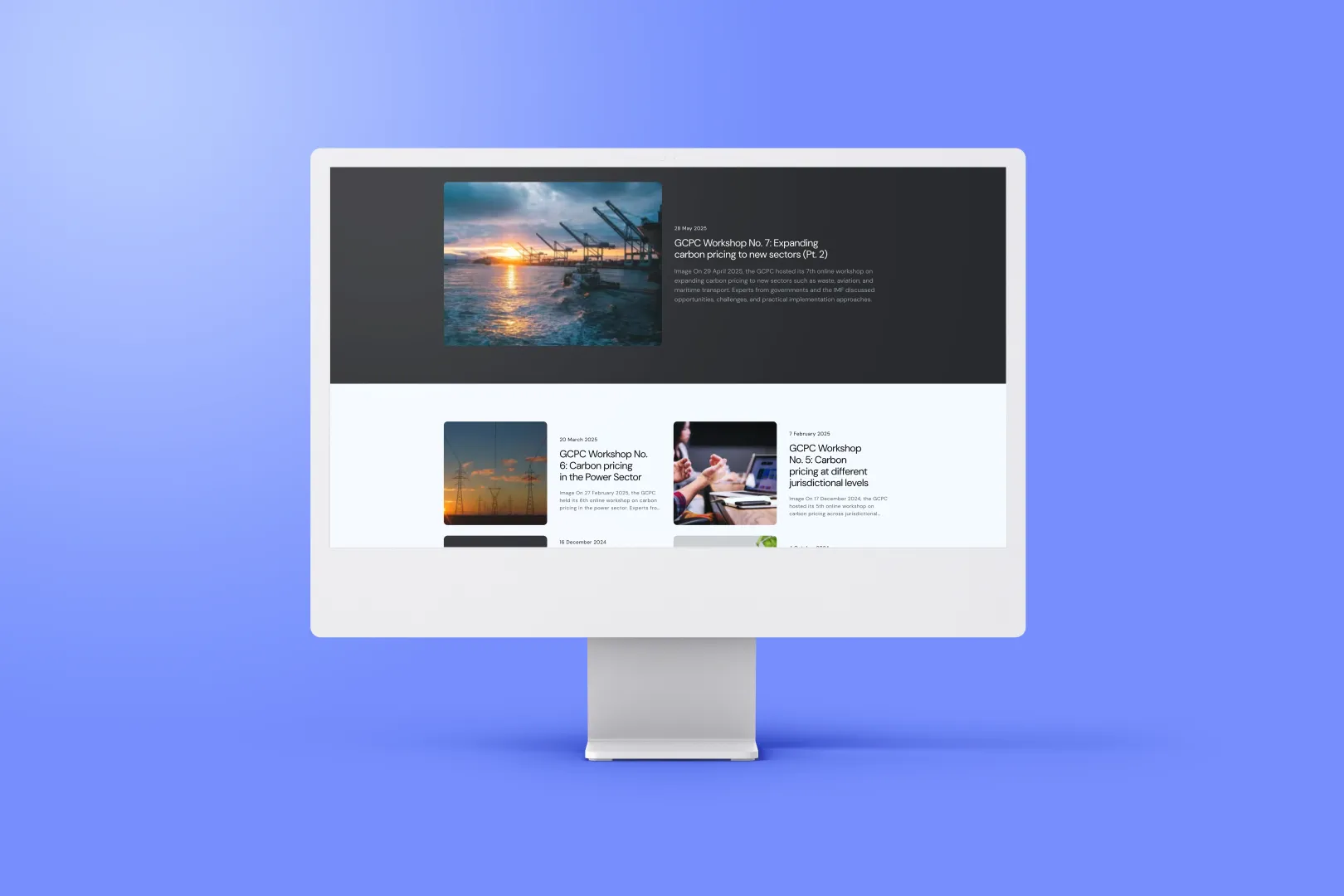
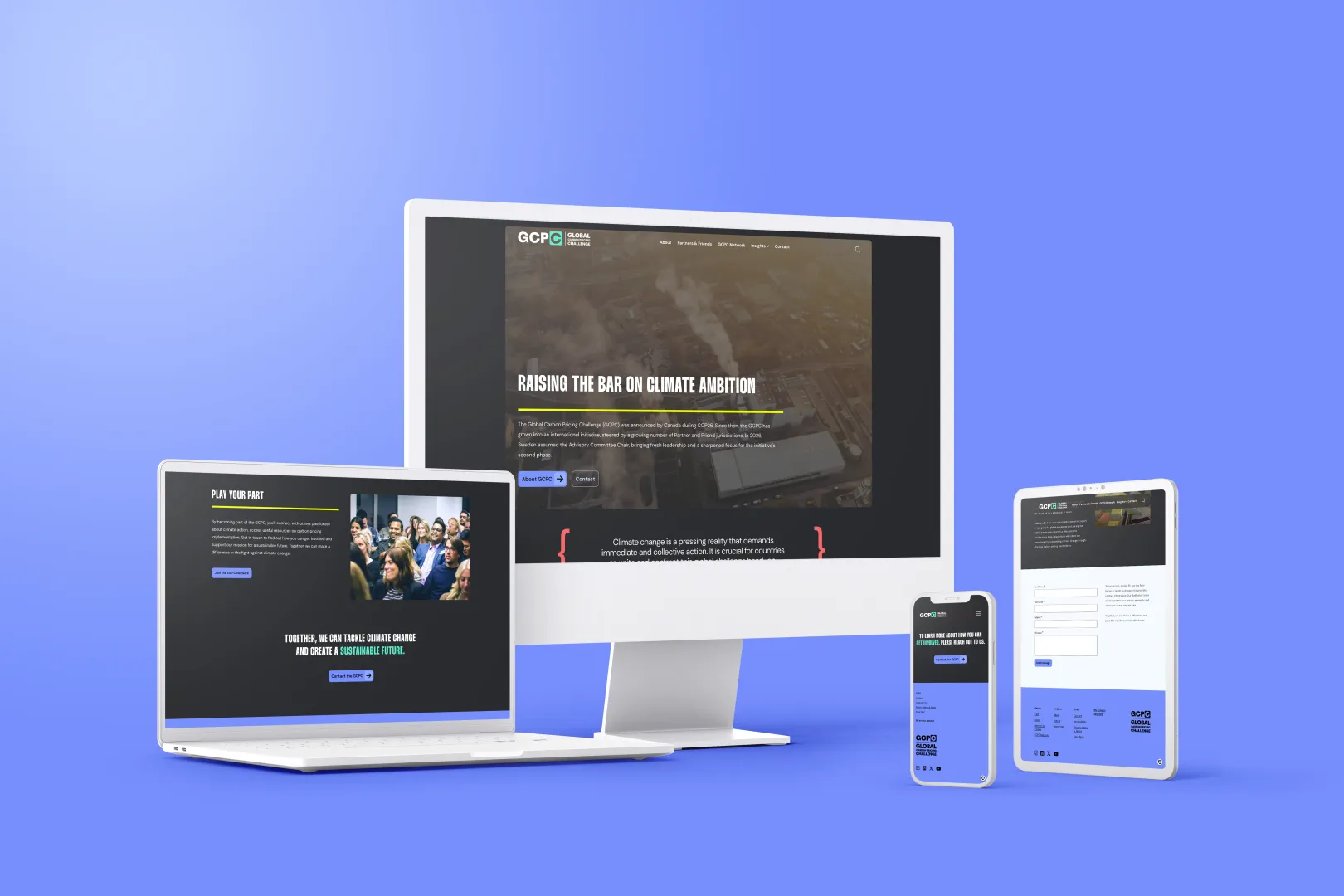
Tojio, a Drupal agency based in Germany, worked with the Global Carbon Pricing Challenge (GCPC) — an international initiative advocating for effective carbon pricing — to relaunch its website in just four weeks. The project migrated the site from Squarespace to Drupal CMS, combining a Dripyard site template with Drupal Canvas to deliver an accessible, GDPR-compliant platform built on a scalable, component-based architecture.
About the project
GCPC's challenge
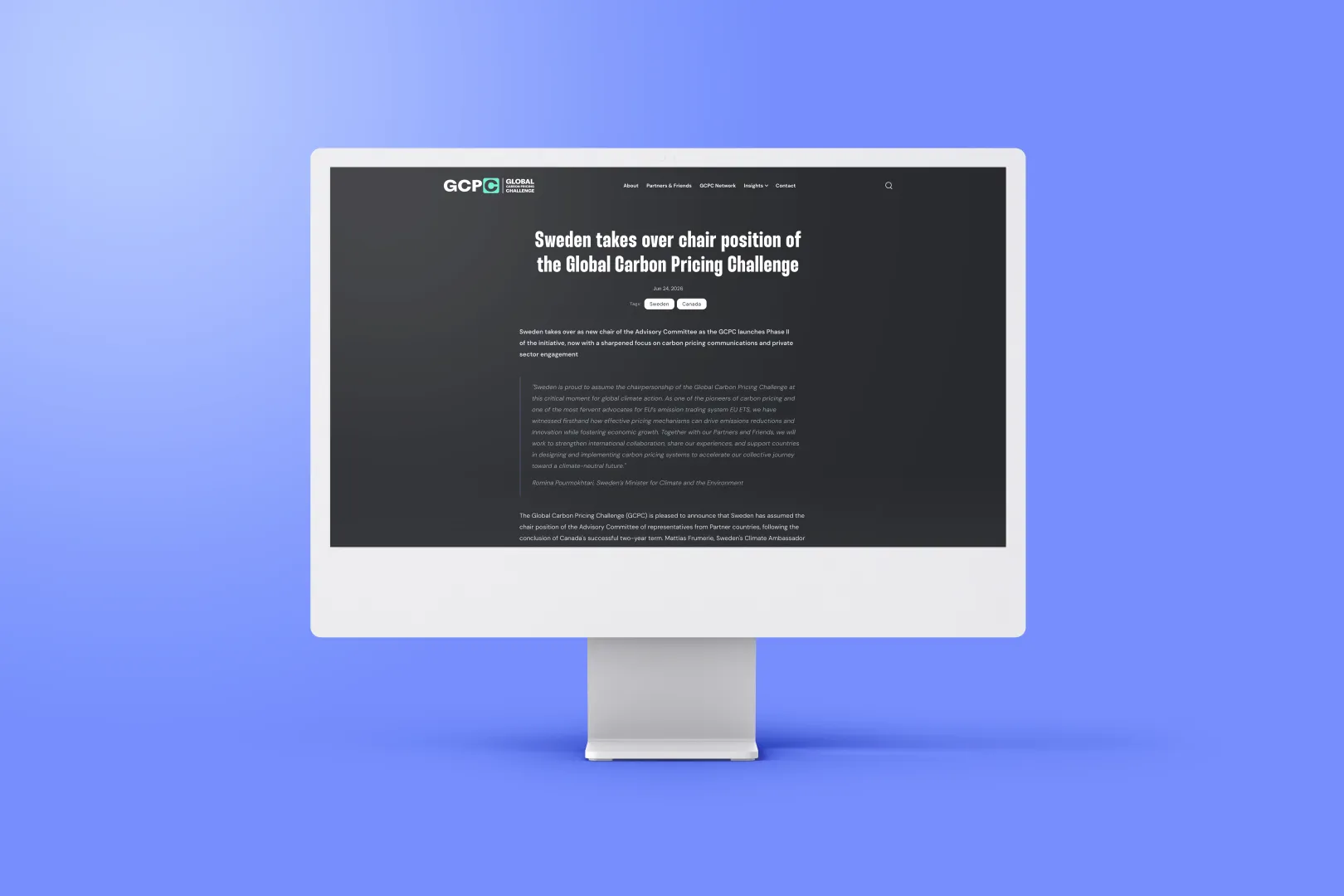
The Global Carbon Pricing Challenge is an international initiative working toward a target of 60% of global emissionscovered by carbon pricing by 2030. As the initiative entered its second phase in 2026, with Sweden taking over the Advisory Committee chair from Canada, its website needed a new foundation too.
The brief was demanding for the timeframe: migrate the existing content and corporate design almost 1:1, in four weeks, while treating modern web standards as non-negotiable — accessibility, SEO, consent management, an open-source stack with no vendor lock-in, and GDPR-compliant EU hosting.
The solution
Combining Drupal CMS with a Dripyard site template made it possible to go well beyond that baseline. The team delivered features that would normally be out of scope for a four-week project, including Single Directory Components and their full integration into Drupal Canvas, Drupal's visual page-building tool. UI components were grouped into reusable patterns, making it faster to assemble future pages from the same design system.
The outcome
The result is a component-based Drupal site that exceeds the original brief. Editors get the best of both worlds: recurring content such as news and events is managed as simple, individual content items, while top-level pages are assembled directly in Drupal Canvas from the design system's components — acting as flexible landing pages and a foundation for future sections. Combined with automation-ready tooling, the platform now has no ceiling on future development, technical or editorial.
Why Drupal was chosen
GCPC's previous site ran on Squarespace, and the relaunch had a hard four-week deadline. That ruled out most proprietary platforms outright: the team also needed an open-source foundation with no vendor lock-in, full control over their data, and hosting that could guarantee GDPR compliance in the EU. Those requirements pointed to Drupal from the start.
Drupal CMS made the timeline realistic in practice, not just on paper. Its Recipes and pre-configured Site Templates let a small team deliver a build that would normally take much longer, without giving up Drupal's long-term flexibility and structured, component-based backend.
Technical Specifications
Drupal version:
Key modules/theme/distribution used:
Drupal Canvas was central to hitting the four-week deadline: it let the team assemble pages visually from reusable components instead of hand-coding every template, while giving editors a fast, intuitive way to build new sections later without developer support.
ECA: Event – Condition – Action was added to make the site ready for no-code automation and future AI-driven workflows, without requiring custom module development.
Klaro Cookie & Consent Management covered GCPC's consent management requirement out of the box, giving visitors full control over cookies and external resources while keeping the site GDPR-compliant.