Sector(s)
Project Team
- Development & Architecture: JAVALI's Drupal team
- UX & Design: JAVALI
- Project Management: JAVALI
- Client Coordination: IEM – NOVA FCSH
Visit the site
Visit the siteOrganizations Involved
Community contributions
The project demonstrates Drupal 11’s ability to support digital humanities platforms with large volumes of structured content and complex relationships between data.
The Fernão Lopes platform provides a relevant reference for future research-driven, academic and open-access projects requiring flexibility, scalability and advanced content management.
About the client
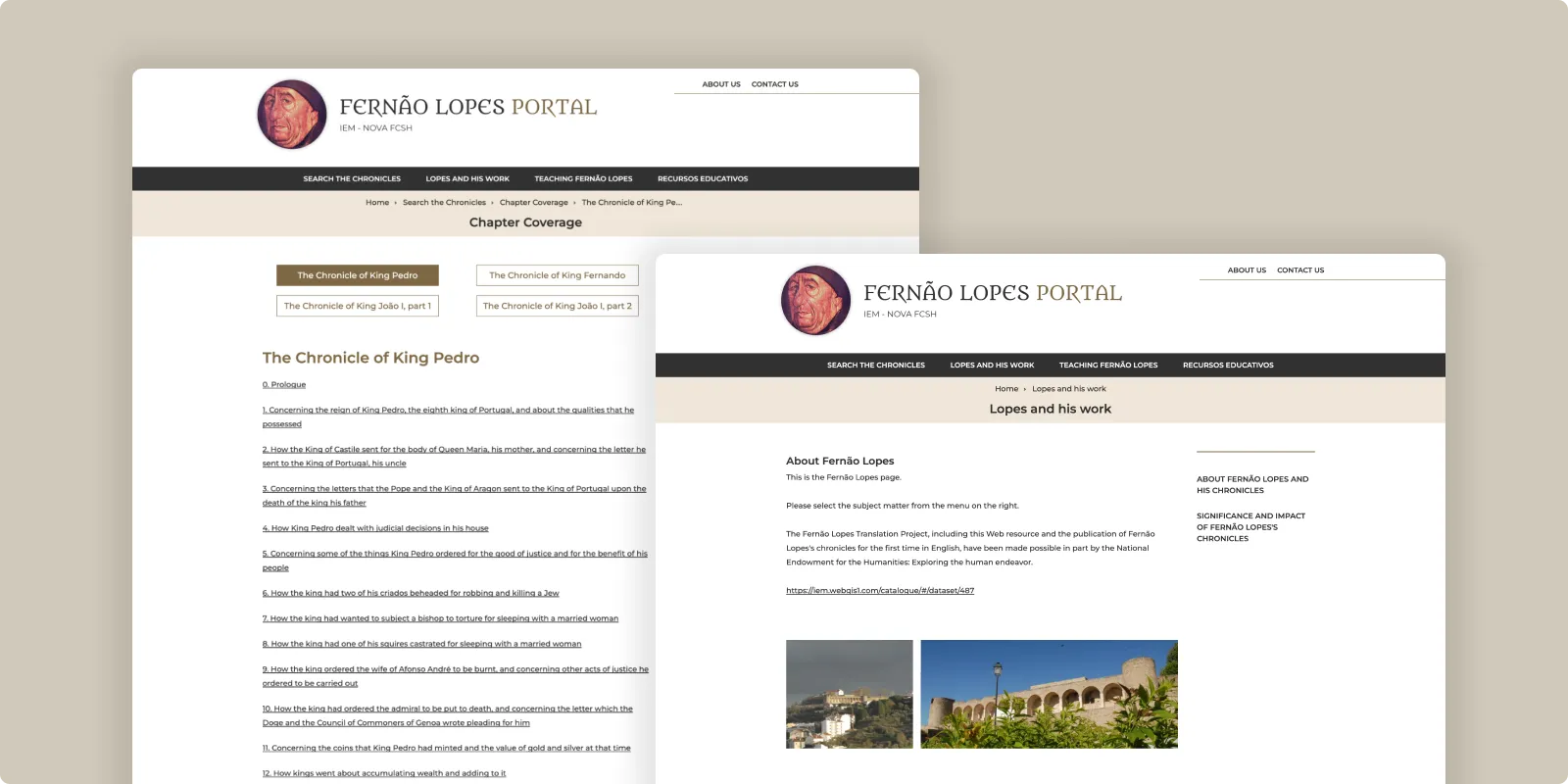
The Institute for Medieval Studies (IEM) at NOVA FCSH manages an extensive collection of studies on medieval chronicles and related scholarly resources. The Fernão Lopes project provides open access to this content through a digital platform designed to support research, teaching and broader public access.
The challenge was not only to modernize the website, but also to make a large and highly interconnected body of academic content easier to explore, manage and expand over time.
About the project
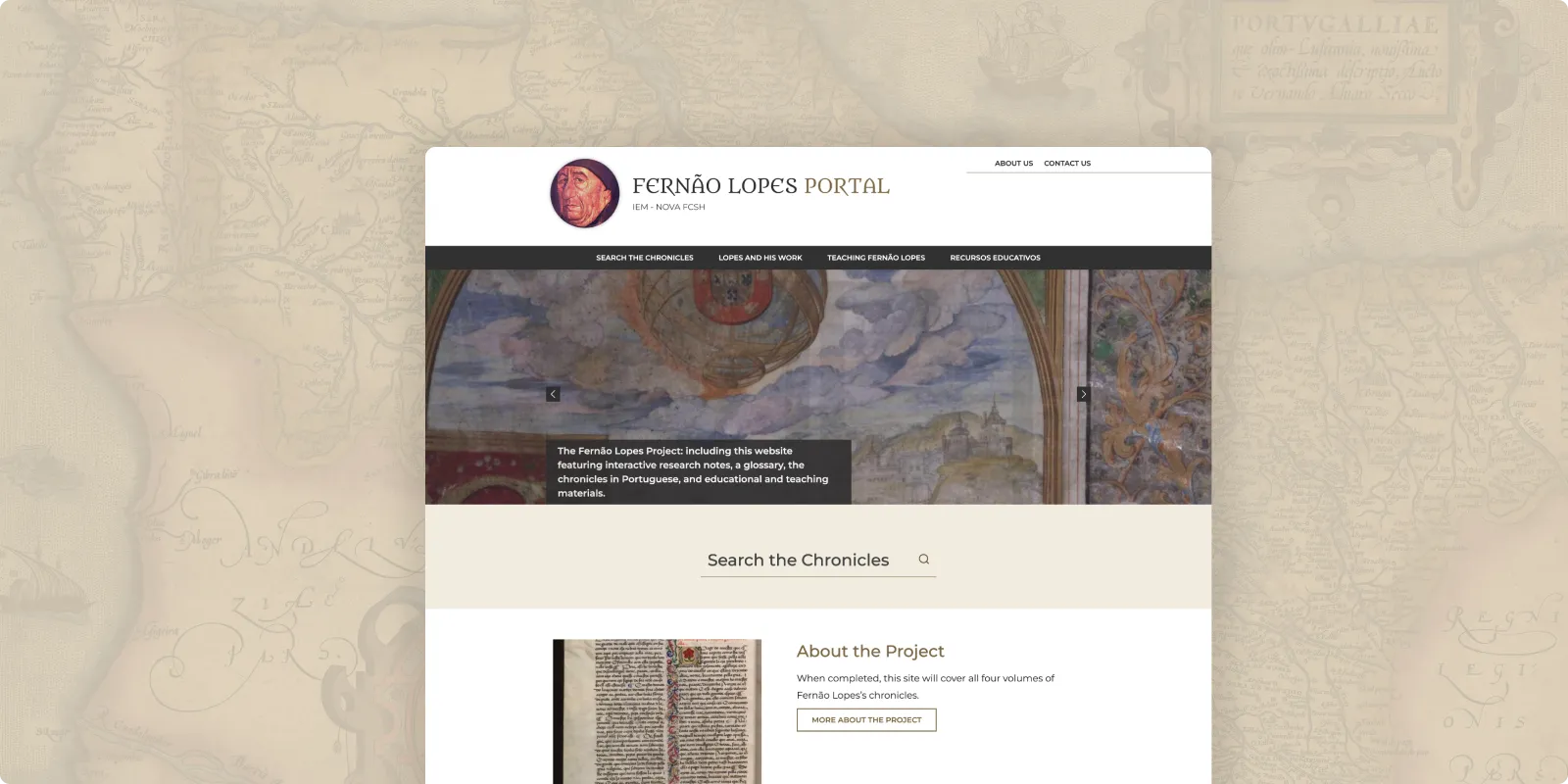
The project focused on modernizing both the user experience and the way the platform is managed internally. This required a solution capable of handling a large volume of interconnected academic content, improving access to information and giving the IEM’s team a more efficient and sustainable way to manage the platform over time.
Goals
- Redesign and rebuild the website in Drupal 11
- Complete the migration of the existing content
- Improve usability, navigation and access to information
- Simplify content management for the editorial team
- Enable advanced research and discovery across multiple content types
Requirements
To support these goals, the platform needed a flexible technical foundation capable of structuring complex content while keeping both navigation and content management straightforward.
- Modular and scalable architecture
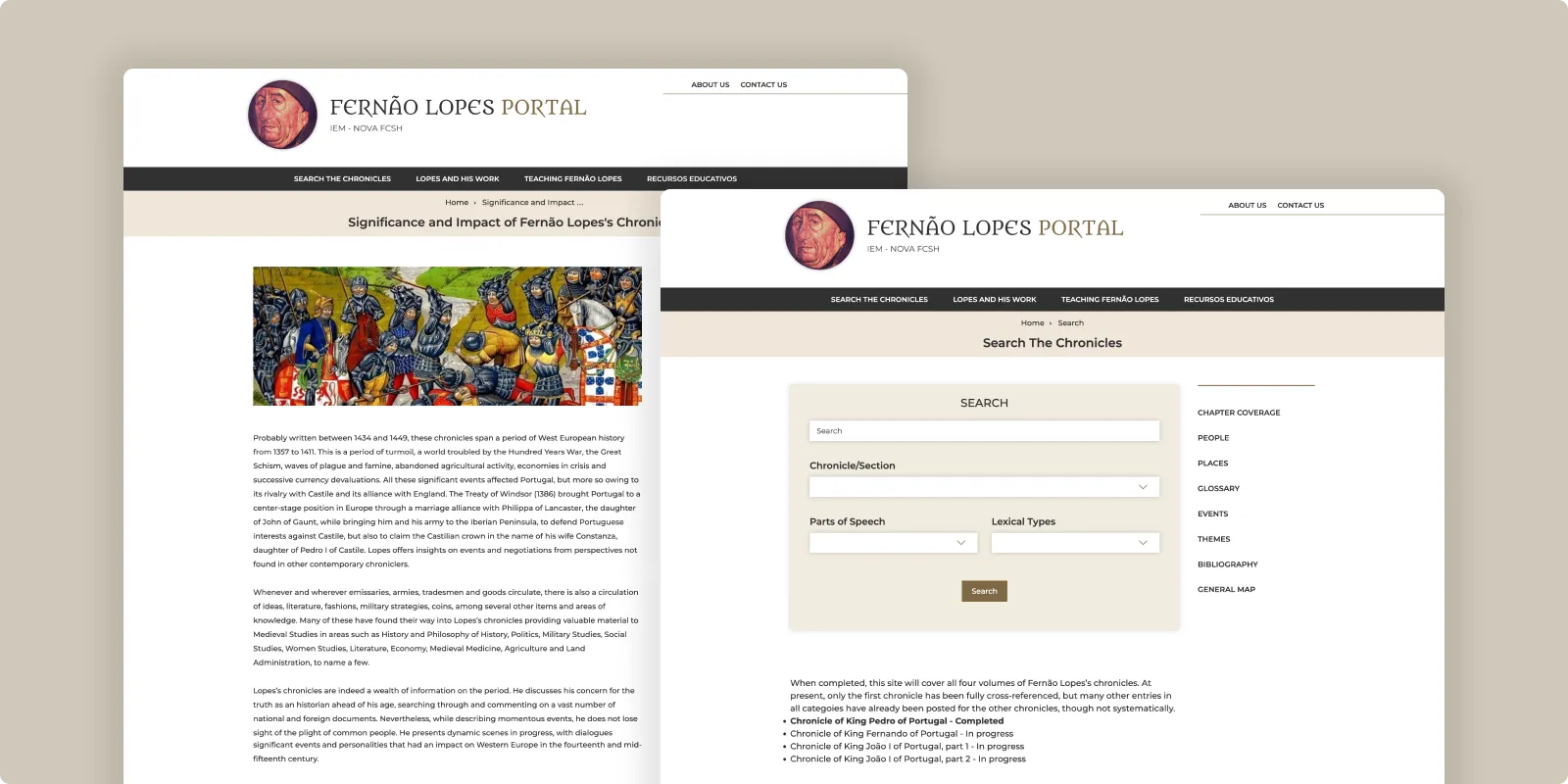
- Advanced search, including free text, filters and alphabetical listings
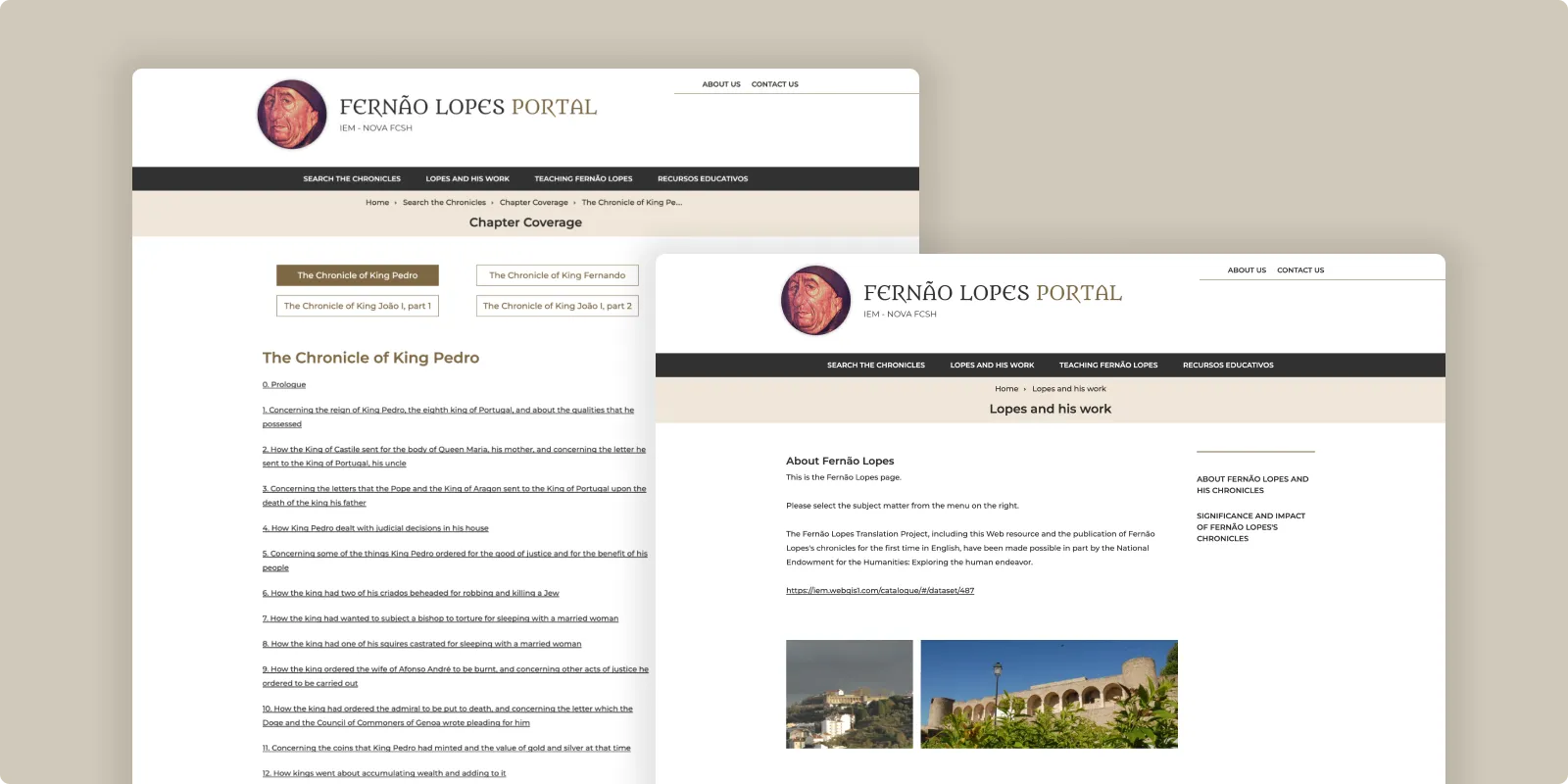
- Structured content types for Chronicles, People, Places, Events, Themes, Glossary/Lexical Items, Bibliography and Young Scholar
- TEI-enabled text editors
- Mapping fields with coordinates, descriptions and links
- Contact form, map component and Quiz module
Outcome
The result is a stable, accessible and future-ready platform that improves how users explore the academic content while giving the IEM team greater autonomy in managing and expanding it.
- Clearer navigation across large volumes of historical and academic content
- Stronger connections between related content, improving discovery and research
- A simplified editorial back office
- Greater autonomy for the IEM team in day-to-day content management
- A flexible foundation for future content, features and platform growth
Why Drupal was chosen
Drupal 11 was selected for its flexibility, multilingual capabilities and ability to manage complex, highly structured content.
Its content modelling and search capabilities made it particularly well-suited to a platform where chronicles, people, places, events, and other academic resources need to be connected and explored intuitively.
Technical Specifications
Drupal version:
Key modules/theme/distribution used:
Drupal 11 was selected as the core platform for the Fernão Lopes project because it provides a robust and extensible foundation for managing highly structured scholarly content. Its entity-based architecture supports the project’s complex content model and multiple relationships between texts, people, places and other research entities, while its mature migration framework enables the controlled integration of legacy content. Drupal’s Views system provides powerful querying, filtering and presentation capabilities, including advanced exposed filters for research-oriented exploration. The platform also accommodates TEI-friendly textual structures and integrations with mapping technologies, while offering granular editorial workflows, roles and permissions suited to collaborative academic publishing. Combined with a responsive front-end architecture and a well-established ecosystem, this makes Drupal a sustainable choice for a project that requires both editorial flexibility and long-term extensibility.