Sector(s)
Team Members
Project Team
- 2 Drupal Developers – backend and integration development.
- 2 Vue Developers – front-end and UI component development.
- 1 Project Manager – coordination, sprint management, and delivery oversight.
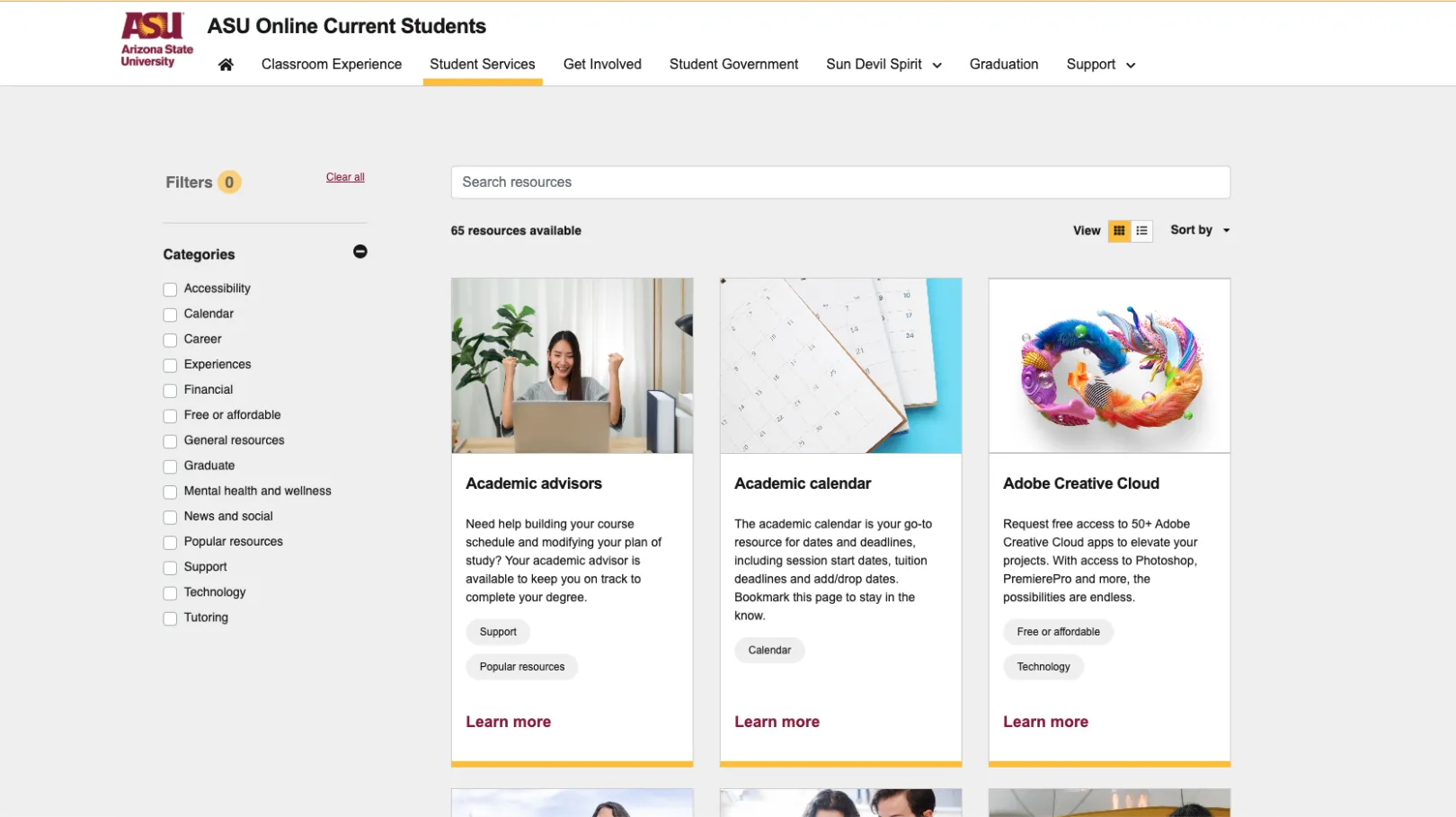
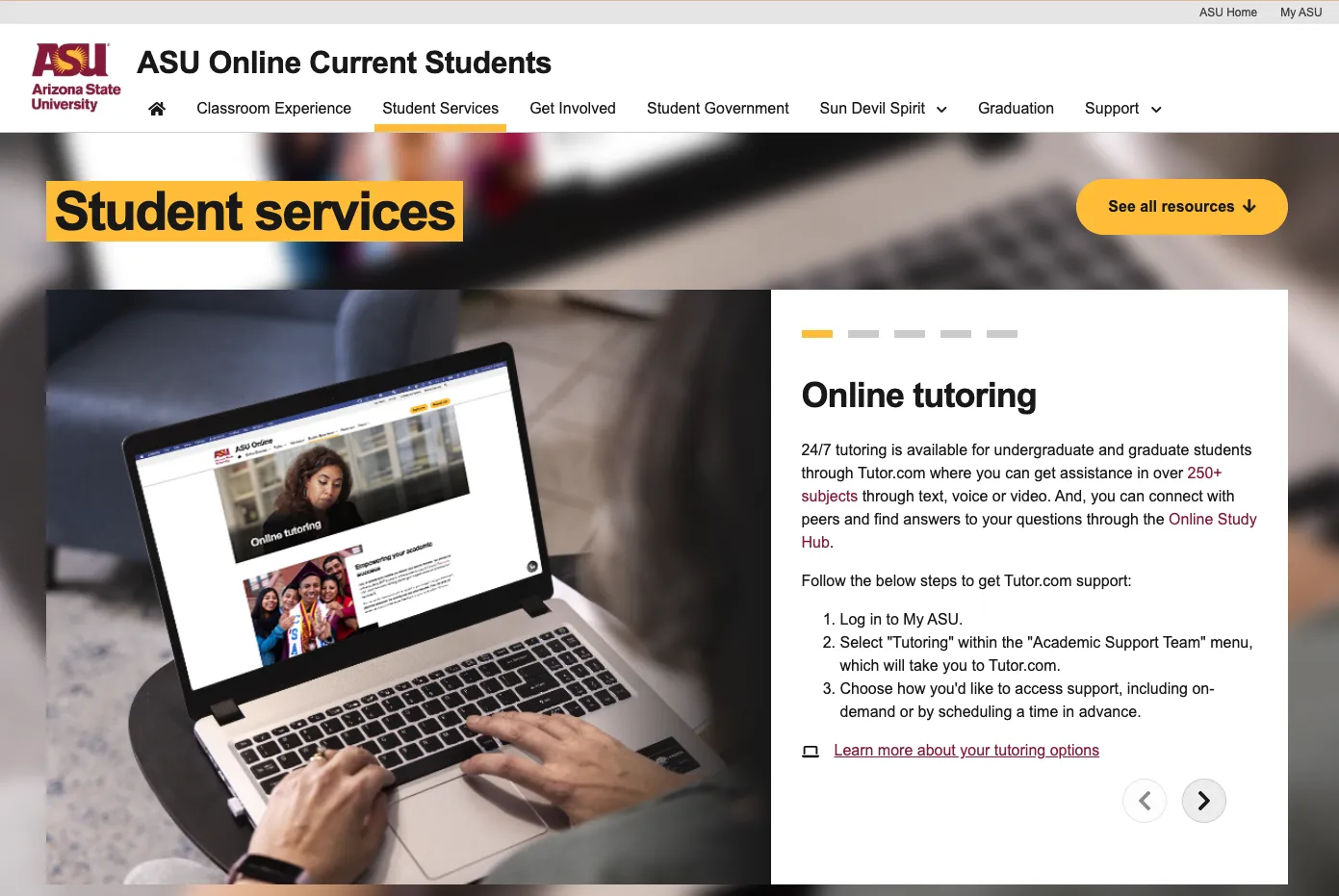
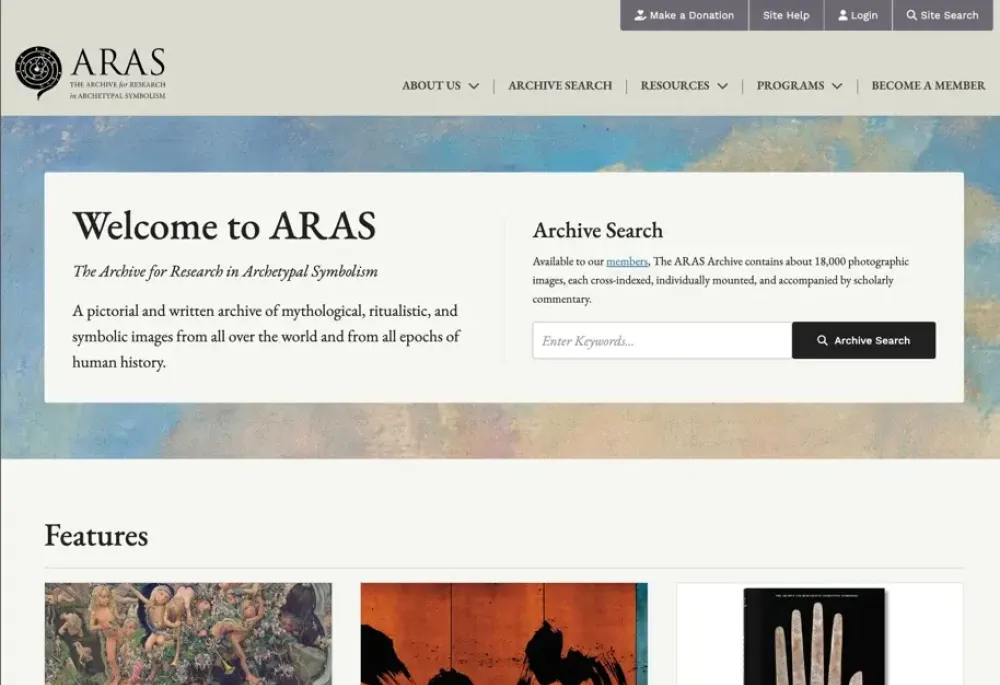
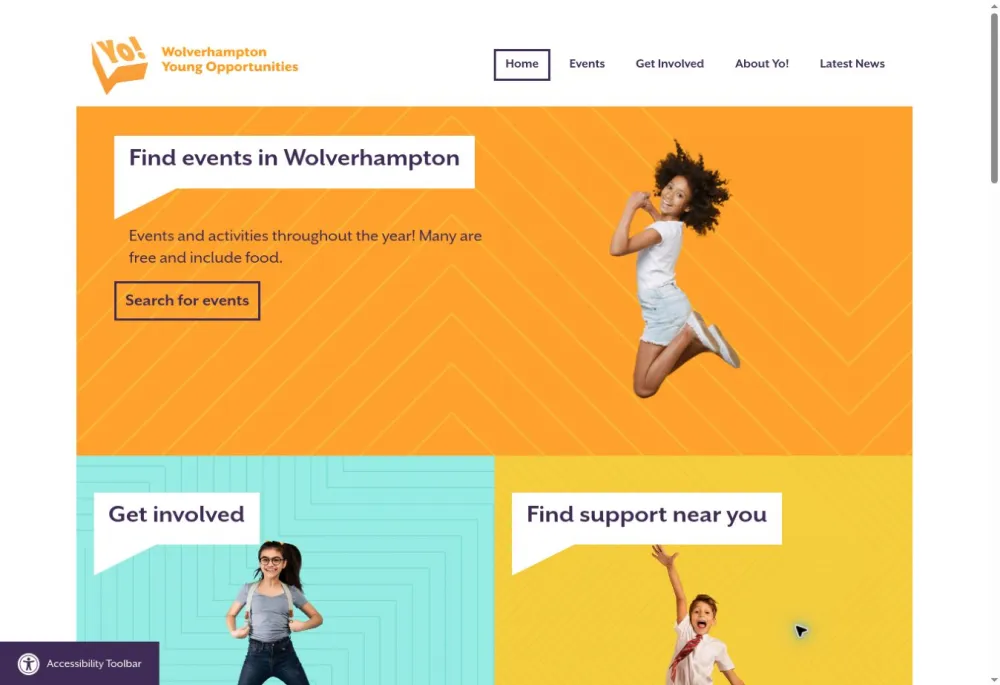
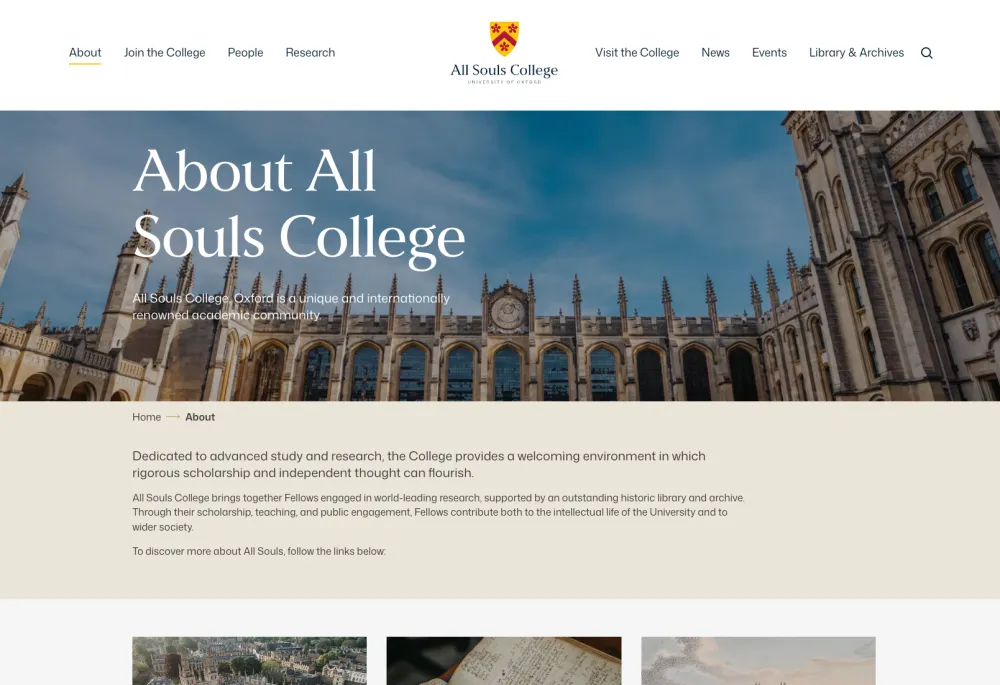
This project is a decoupled Drupal implementation that integrates Vue components into a Drupal-based platform to deliver a modern, interactive, and user-focused digital experience. Drupal serves as the content management system and source of structured content, while Vue powers the front-end experience with reusable, component-based interfaces.
About the project
### Goals
- Deliver a modern, engaging, and responsive digital experience
- Keep Drupal at the center of content management and editorial workflows
- Integrate dynamic front-end interactions through Vue components
- Create a scalable and maintainable architecture for future growth
### Requirements
- A robust CMS for structured content and content authoring
- Support for interactive, component-based front-end development
- Clear separation between content management and presentation layers
- Maintainability, scalability, and long-term flexibility
### Solution
The project uses a decoupled architecture in which Drupal manages structured content and editorial operations, while Vue powers the front-end experience. The Vue application is built separately, compiled into production assets, and then brought into Drupal as part of the site build. In Drupal, the compiled bundle is attached to the page and mounted into target elements such as a class-based container or a specific root element like the decoupled page wrapper. Content and configuration are passed into the Vue instance through Drupal settings and data attributes, allowing the front end to render dynamic content while remaining connected to Drupal’s backend.
### Outcome
The project successfully demonstrates how Drupal and Vue can work together in a decoupled architecture. It provides a strong foundation for building digital experiences that are both content-rich and visually modern, while preserving the operational strengths of Drupal.
Why Drupal was chosen
Drupal was selected because it offers a strong foundation for content governance, editorial workflows, user permissions, and scalable content architecture. It is especially well suited for organizations that need a reliable CMS while also supporting a contemporary front-end experience. Drupal’s flexibility, extensibility, and content modeling capabilities made it an effective choice for this project, particularly when paired with Vue for a component-based user interface.

Technical Specifications
Drupal version:
Key modules/theme/distribution used: